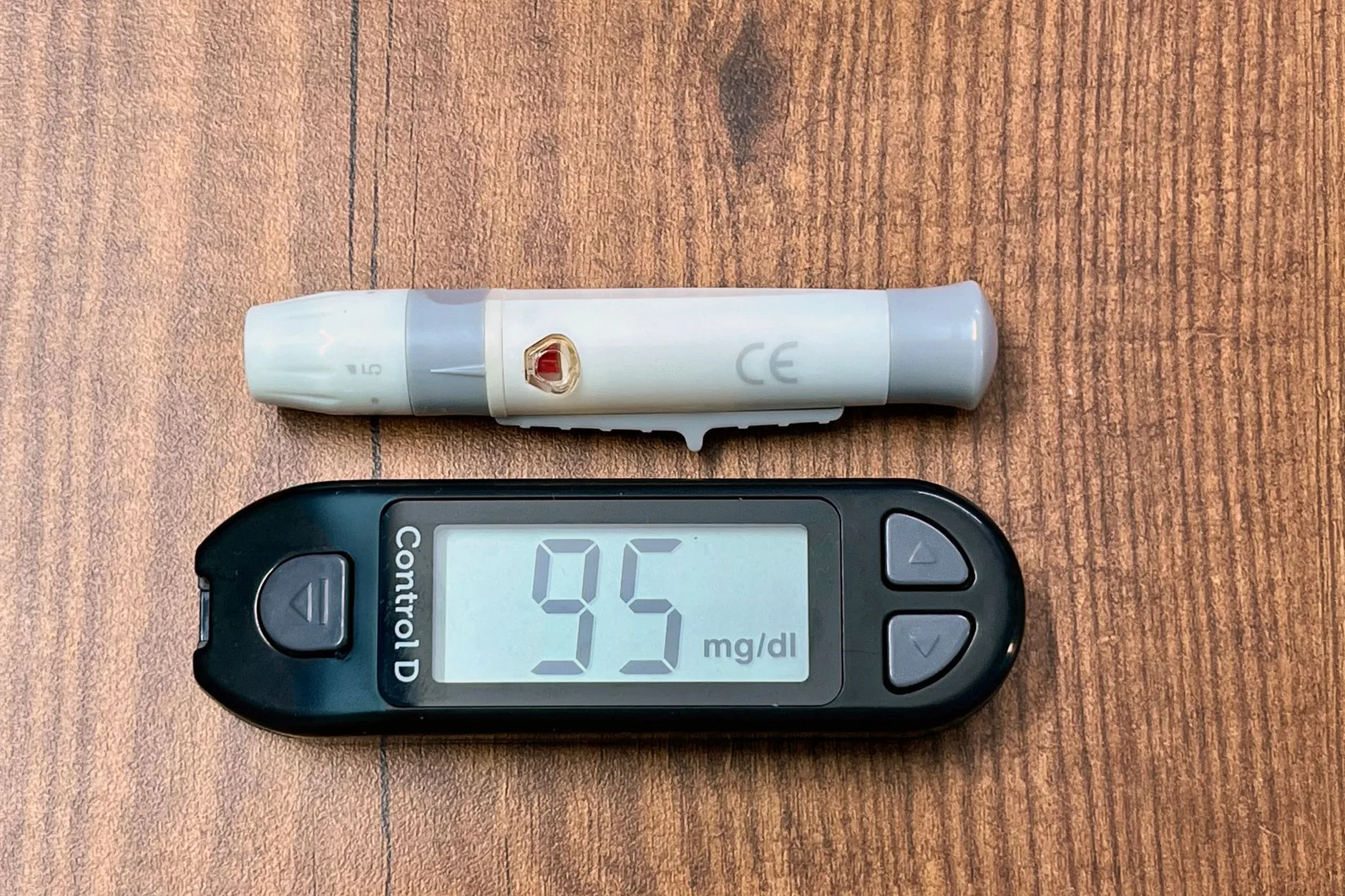
Can you reverse type 2 diabetes naturally?
Can you reverse type 2 diabetes naturally? Learn the evidence on diet, weight loss, and remission that can lower blood sugar without lifelong meds.
Yes, many people can reverse type 2 diabetes naturally — clinical research shows that significant weight loss, dietary change, and improved insulin sensitivity can bring blood sugar back into the non-diabetic range without medication. This state is more accurately called “remission,” and it is most achievable in the first few years after diagnosis and when body weight is reduced meaningfully. It is not guaranteed for everyone, and it works best under medical supervision.
Key Takeaways
- Remission is real: Studies like the UK DiRECT trial show nearly half of participants achieved diabetes remission through structured weight loss.
- Weight matters most: Losing 10–15 kg is the strongest predictor of reversing type 2 diabetes naturally.
- Time-sensitive: The earlier after diagnosis you act, the higher the chance of remission.
- Not a cure: Remission can be lost if weight returns; ongoing habits are required.
- Supervision required: Never stop prescribed medication without your doctor, especially insulin.
What Does “Reversing” Type 2 Diabetes Actually Mean?
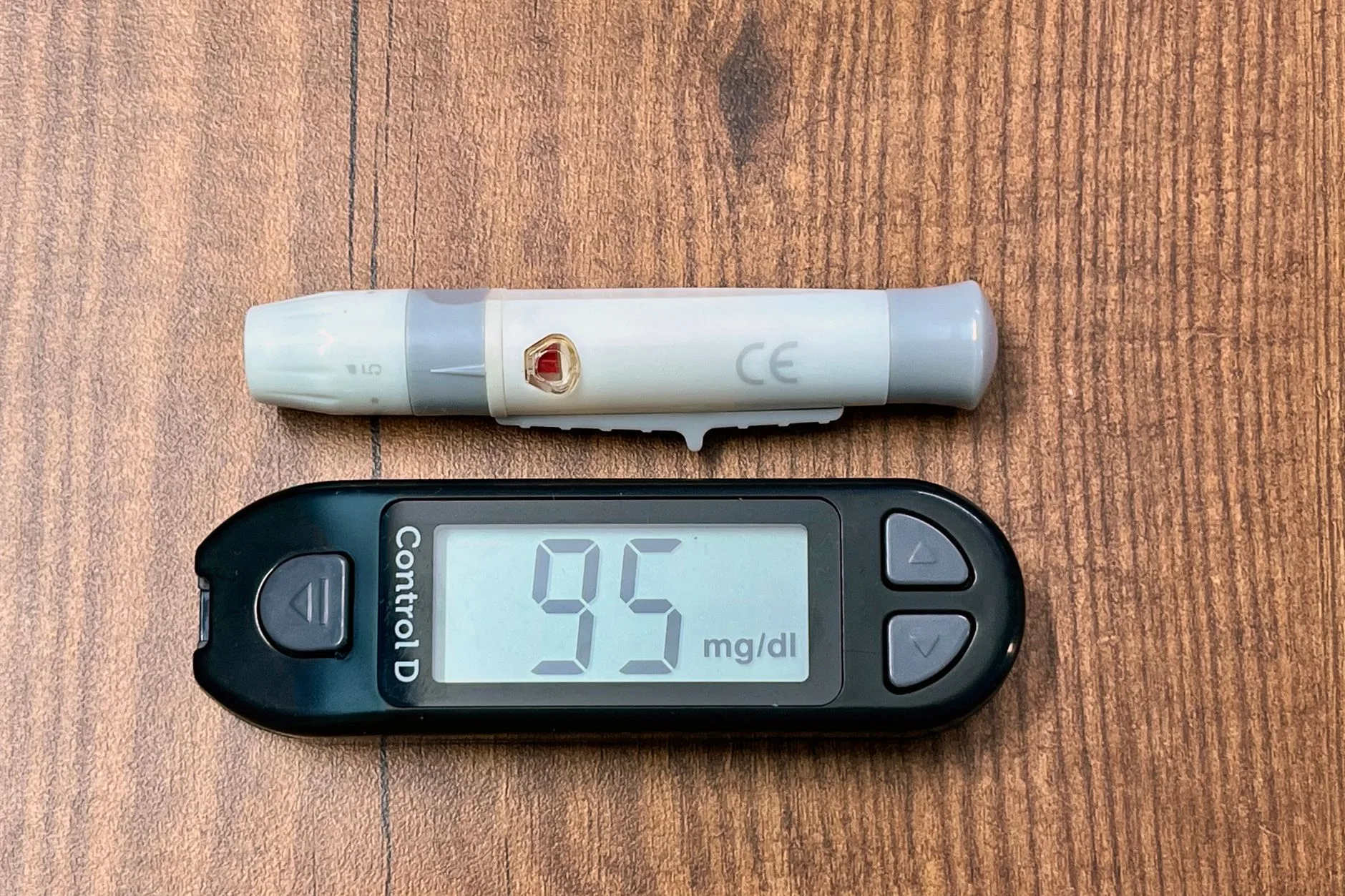
The key takeaway: Reversal — clinically termed remission — means your blood sugar returns to normal or pre-diabetic levels without glucose-lowering medication for at least three months.
Type 2 diabetes is a condition where the body becomes resistant to insulin, the hormone that moves sugar out of the blood and into cells. Over time, blood glucose stays elevated because cells no longer respond properly.
A 2021 consensus from the American Diabetes Association defines remission as an HbA1c below 6.5% measured at least three months after stopping medication, according to the ADA remission consensus report (2021). This is why professionals prefer “remission” over “cure.”
Can You Actually Reverse Type 2 Diabetes Naturally? The Evidence
In our analysis of the leading clinical trials, the answer is a qualified yes: to reverse type 2 diabetes naturally is possible for a substantial share of people, but the outcome depends heavily on weight loss and how recently you were diagnosed.
The landmark UK DiRECT trial found that 46% of participants achieved remission after a structured low-calorie program, and among those who lost more than 15 kg, remission reached 86%, per The Lancet DiRECT study (2018).
The proposed mechanism, developed by researchers at Newcastle University, is the “twin cycle hypothesis” — excess fat in the liver and pancreas drives insulin resistance, and removing that fat can restart normal insulin function.
Who Is Most Likely to Succeed?
- People diagnosed within the last 6 years
- Those able to lose 10% or more of body weight
- Individuals not yet dependent on insulin injections
- People with a higher starting body weight who have room to reduce fat stores
How to Reverse Type 2 Diabetes Naturally: 5 Evidence-Based Levers

The key takeaway: No single food or supplement reverses diabetes. What works is a combination of weight reduction, dietary quality, movement, and sleep that lowers insulin resistance together.
1. Achieve Meaningful Weight Loss
Reducing 10–15 kg is the single strongest lever to control blood sugar and reach remission. Even a low-calorie diet phase (around 800–900 kcal/day for a limited period) has been used successfully in supervised trials.
2. Change What — Not Just How Much — You Eat
Diets that reduce refined carbohydrates and prioritize fiber, protein, and vegetables help reduce blood glucose spikes. Low-carbohydrate and Mediterranean patterns both show benefit in the research.
| Dietary Approach | Main Mechanism | Evidence Strength |
|---|---|---|
| Low-calorie meal replacement | Rapid fat loss in liver/pancreas | High (DiRECT) |
| Low-carbohydrate | Reduces glucose spikes and insulin demand | Moderate–High |
| Mediterranean | Improves insulin sensitivity, anti-inflammatory | High |
| Whole-food plant-based | High fiber, lower calorie density | Moderate |
3. Move Consistently
Both aerobic exercise and resistance training improve how muscles absorb glucose, reducing insulin resistance. The U.S. guidance recommends at least 150 minutes of moderate activity weekly, according to the CDC on physical activity and diabetes.
4. Prioritize Sleep and Stress
Poor sleep and chronic stress raise cortisol, which pushes blood sugar up. Seven or more hours of quality sleep supports the metabolic improvements from diet and exercise.
5. Track Your Numbers
Monitoring HbA1c and fasting glucose with your doctor is how you confirm progress toward remission and adjust medication safely.
The Gut Health Angle: A Less-Discussed Factor
The key takeaway: Emerging research suggests the gut microbiome influences insulin sensitivity and inflammation — a factor most mainstream diabetes advice overlooks.
Studies have linked disrupted gut bacteria and intestinal inflammation to worse metabolic outcomes. Some independent researchers and educators, including those referencing figures like Dr. Robert Stevens, argue that gut and intestinal health — sometimes framed around the idea of an intestinal parasite and diabetes connection — deserve more attention as part of a natural treatment for diabetes.
We recommend treating gut-focused claims with informed caution: microbiome science is genuinely promising, but it should complement — not replace — the proven levers of weight loss, diet, and exercise. Peer-reviewed reviews on the microbiome and metabolic disease are available through the National Library of Medicine (PMC).
Pros and Cons of the Natural Reversal Approach
Pros
- Can eliminate the need for medication in many cases
- Improves heart health, energy, and weight simultaneously
- Backed by strong clinical trials like DiRECT
- Addresses the root cause, not just symptoms
Cons
- Requires sustained lifestyle change, not a quick fix
- Not achievable for everyone, especially long-standing diabetes
- Remission can be lost if weight returns
- Needs medical monitoring to be safe
Is There an Alternative to Diabetes Medication?
The key takeaway: For some people, lifestyle-driven remission becomes a genuine alternative to diabetes medication — but this transition must always be doctor-guided.
As blood sugar improves through weight loss and diet, physicians often reduce medication doses gradually. In remission, some patients stop glucose-lowering drugs entirely while continuing monitoring.
The distinction matters: the goal of a natural approach is not to abandon medicine, but to reach a point where your body no longer requires it to keep glucose in a healthy range.
Frequently Asked Questions
How long does it take to reverse type 2 diabetes naturally?
Many supervised programs report meaningful improvement within 3 to 6 months, and remission is often confirmed after the required 3-month medication-free period. The speed depends largely on how much weight you lose and how early after diagnosis you begin.
Can type 2 diabetes come back after remission?
Yes. Remission is not permanent — if weight is regained or unhealthy habits return, blood sugar can rise again. Maintaining weight loss and lifestyle habits is what keeps remission stable long-term.
What is the fastest way to lower blood sugar naturally?
Short-term, reducing refined carbohydrates, drinking water, and light physical activity like a 15-minute walk after meals help lower glucose. Long-term, weight loss and consistent dietary change are what reliably reduce blood glucose and insulin resistance.
Is there really a link between intestinal parasites and diabetes?
The mainstream evidence for a direct intestinal parasite and diabetes cause is limited, though gut-health and microbiome research is an active field. Treat strong single-cause claims cautiously and prioritize the well-proven levers of diet, weight loss, and activity while discussing any gut-health concerns with your doctor.
Can you reverse type 2 diabetes without losing weight?
It is far less likely. Weight loss — specifically reducing fat around the liver and pancreas — is the strongest driver of remission in clinical research, so most successful cases involve some level of weight reduction.
Conclusion
To reverse type 2 diabetes naturally is a realistic goal for many people, especially those who act early and achieve meaningful weight loss. The strongest evidence points to a combination of dietary change, movement, sleep, and — increasingly — attention to gut health.
Remission is not a cure, and it requires ongoing effort and medical partnership. But for a large share of people living with type 2 diabetes, freedom from daily medication is achievable through the right natural strategy.
If you want to understand the deeper root-cause theories behind blood sugar problems — including the Harvard-referenced research and gut-health angle explored by educators like Dr. Robert Stevens — the team at diabetesleak.blog compiles this material into a single accessible guide. It is a useful next step for readers who want to see how these natural strategies fit together beyond the basics covered here.