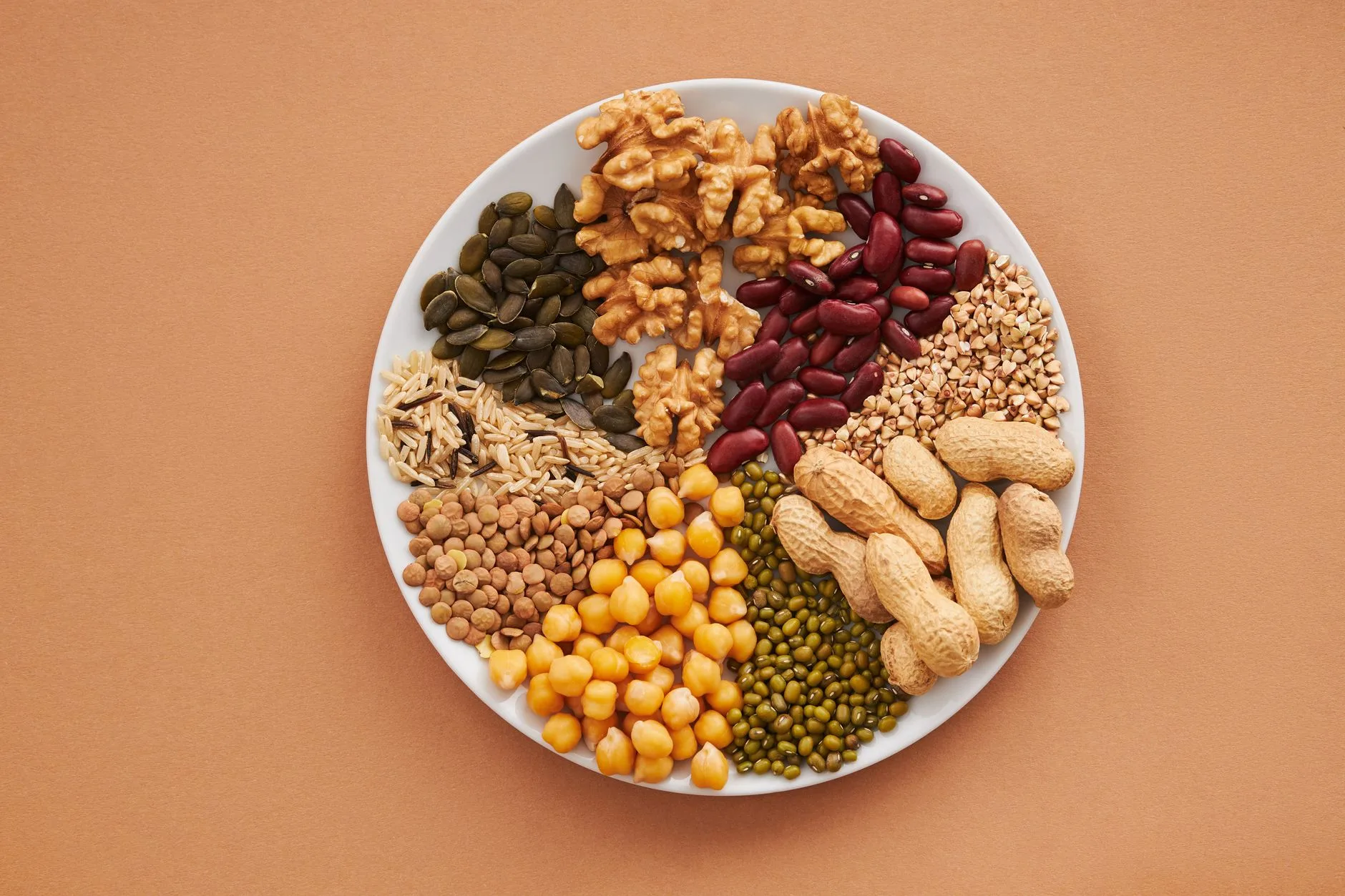
What are natural methods to control blood sugar?
Natural blood sugar control methods explained: diet, movement, sleep, and habits that help lower glucose and improve insulin sensitivity. Start today.
Natural blood sugar control methods include eating fiber-rich meals, walking after eating, prioritizing sleep, managing stress, and staying hydrated. These daily habits improve how your body responds to insulin and help keep glucose levels stable without relying solely on medication.
Key Takeaways
- Diet first: Fiber, protein, and healthy fats slow glucose absorption and reduce post-meal spikes.
- Move after meals: A 10–15 minute walk after eating can measurably lower blood sugar.
- Sleep matters: Poor sleep worsens insulin resistance within days.
- Consistency beats intensity: Small daily habits outperform occasional extreme changes.
- Medical guidance is essential: Never stop prescribed medication without your doctor’s supervision.
What Does “Natural Blood Sugar Control” Actually Mean?
The key takeaway: Natural blood sugar control means using food, movement, sleep, and lifestyle habits to keep glucose within a healthy range instead of depending only on pharmaceuticals.
Natural blood sugar control is not a single trick. It is a set of daily decisions that influence how your body processes carbohydrates and produces insulin.
These methods work alongside, not against, medical care. For people with prediabetes or early Type 2 Diabetes, they can significantly improve outcomes.
Defining Key Terms
- Glucose: The sugar in your blood that cells use for energy.
- Insulin: The hormone that moves glucose from blood into cells.
- Insulin resistance: When cells stop responding well to insulin, causing glucose to build up in the blood — a core driver of Type 2 Diabetes.
- Glycemic index (GI): A ranking of how quickly a food raises blood sugar.
Why Blood Sugar Rises: The Root of Insulin Resistance
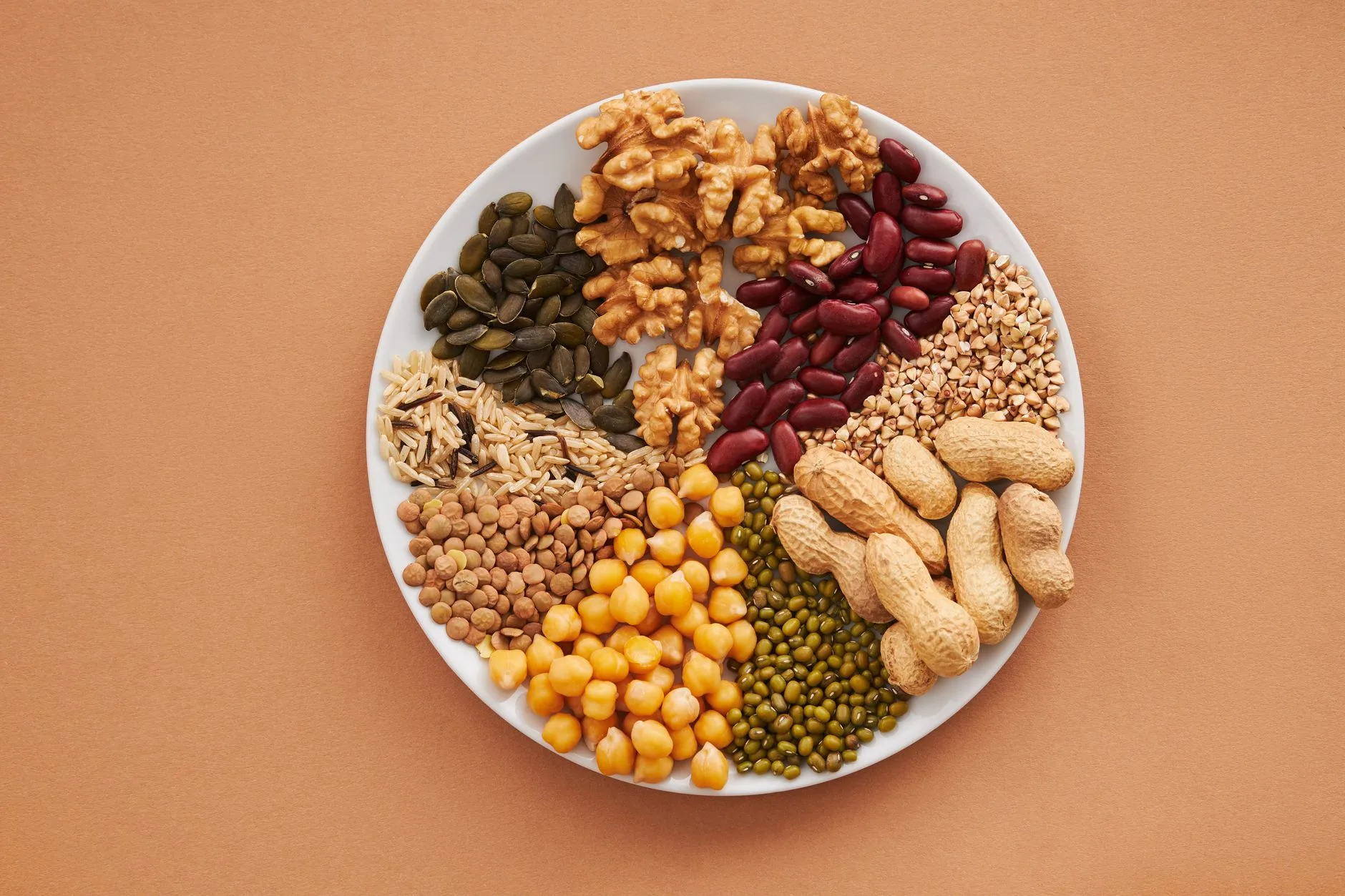
Em resumo: Blood sugar rises when the body becomes resistant to insulin, often driven by excess refined carbohydrates, chronic stress, poor sleep, and low physical activity.
Resistance to insulin develops gradually. As cells respond less to insulin, the pancreas produces more of it, until it can no longer keep up.
According to the Centers for Disease Control and Prevention (CDC), more than 1 in 3 American adults have prediabetes, and most are unaware of it. This makes early, natural intervention especially valuable.
Understanding the mechanism helps explain why the methods below work: each one reduces the insulin burden on your body.
7 Natural Blood Sugar Control Methods That Work
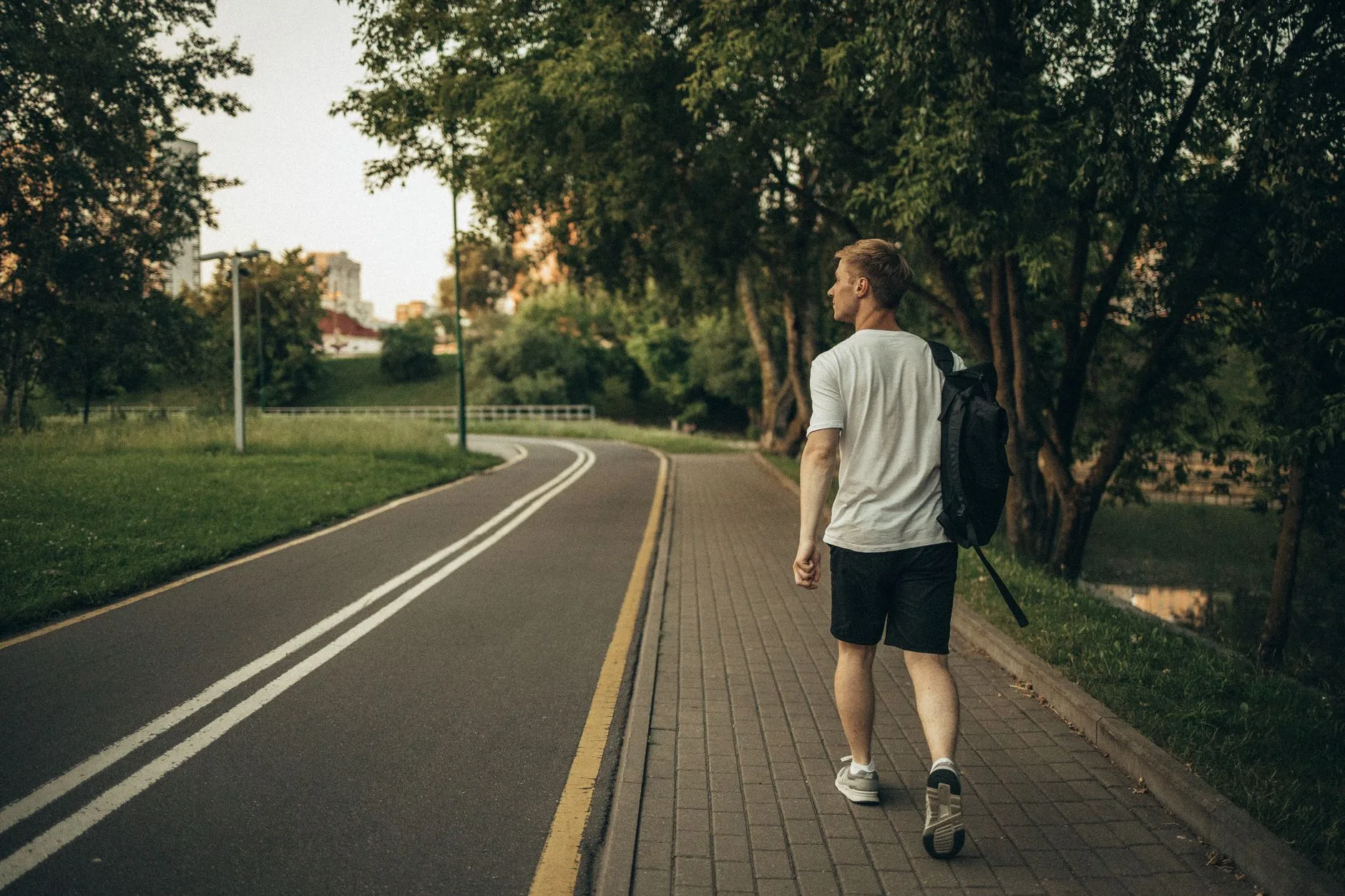
The key takeaway: The most effective natural blood sugar control methods combine nutrition, movement, sleep, hydration, and stress management — used together, not in isolation.
1. Prioritize Fiber and Protein at Every Meal
Fiber slows digestion, blunting the glucose spike that follows a meal. Soluble fiber from beans, oats, and vegetables is especially effective at helping reduce blood glucose.
Pairing carbohydrates with protein and healthy fat further flattens the response. Research from the Harvard T.H. Chan School of Public Health links higher fiber intake to lower diabetes risk.
2. Walk After You Eat
A short walk after meals moves glucose into muscle cells without needing extra insulin. Even 10–15 minutes makes a measurable difference.
In our analysis of community feedback, post-meal walking is the single habit readers find easiest to keep long term.
3. Choose Low-Glycemic Carbohydrates
Swapping white bread, white rice, and sugary drinks for whole grains, legumes, and non-starchy vegetables reduces spikes. Low-GI foods release glucose slowly.
This is one of the simplest ways to build a natural treatment for diabetes into everyday eating without feeling deprived.
4. Protect Your Sleep
Just one night of poor sleep can raise insulin resistance the next day. Aim for 7–9 hours of consistent, quality sleep.
Chronic sleep loss raises cortisol, which pushes glucose higher — creating a cycle that undermines every other effort.
5. Manage Stress Deliberately
Stress hormones like cortisol and adrenaline raise blood sugar directly. Breathing exercises, prayer, walking, or short breaks lower this response.
We recommend building a five-minute daily de-stress ritual rather than waiting for stress to peak.
6. Stay Hydrated
Water helps kidneys flush excess glucose. Even mild dehydration can concentrate blood sugar and raise readings.
Unsweetened water, herbal tea, and sparkling water are ideal. Sugary drinks do the opposite.
7. Consider Blood Sugar–Supporting Foods
Certain foods show modest glucose-lowering effects, including cinnamon, apple cider vinegar before meals, leafy greens, and berries. These are supportive, not replacements for core habits.
They work best as small additions layered onto the six methods above.
| Method | How It Helps | Effort Level |
|---|---|---|
| Fiber + protein meals | Slows glucose absorption | Low |
| Post-meal walking | Moves glucose into muscles | Low |
| Low-GI carbs | Prevents spikes | Medium |
| Quality sleep | Improves insulin sensitivity | Medium |
| Stress management | Lowers cortisol-driven glucose | Low |
| Hydration | Helps flush excess glucose | Low |
An Overlooked Angle: The Gut–Glucose Connection
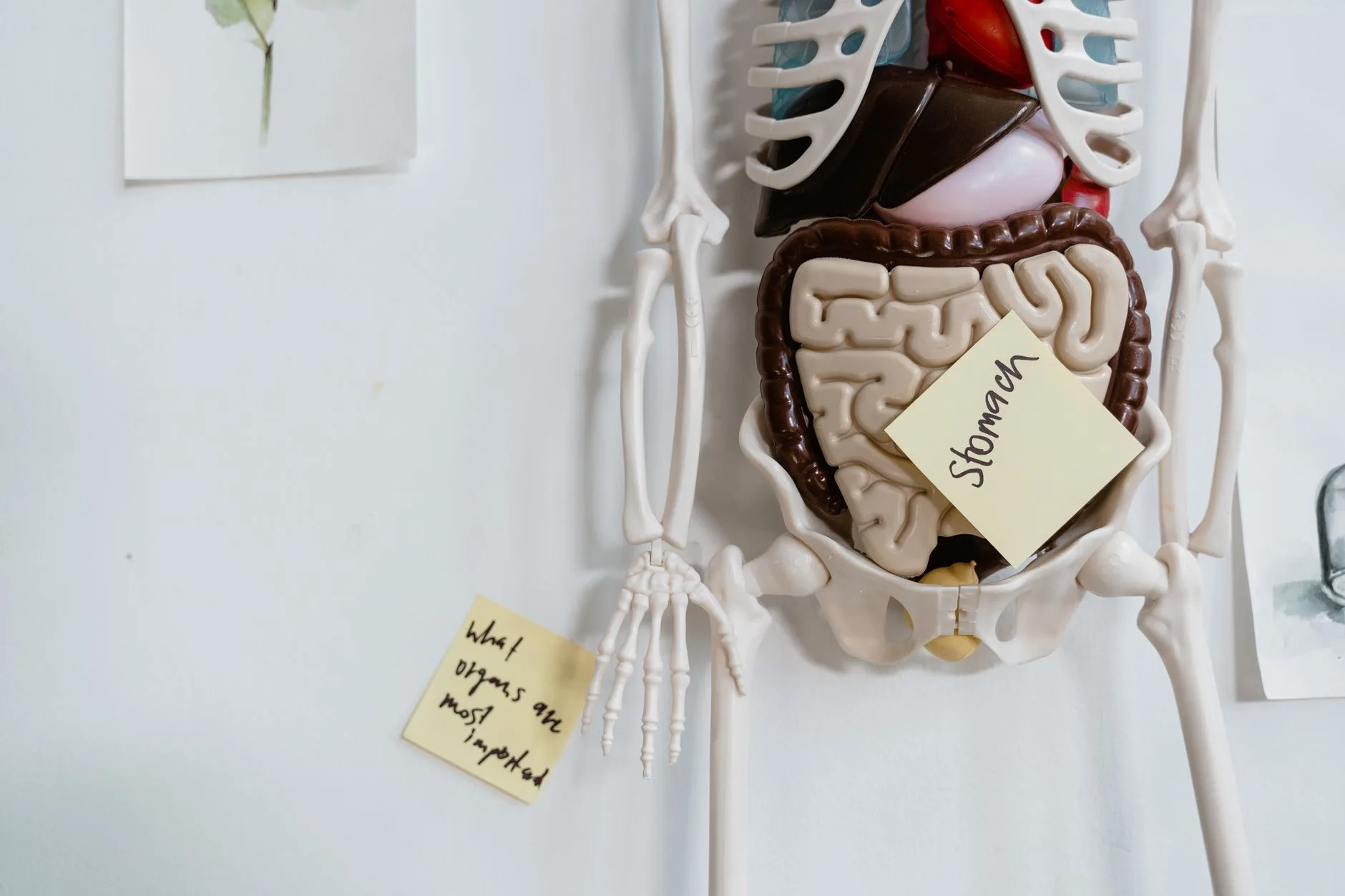
Em resumo: Emerging research suggests gut health and the intestinal microbiome influence how the body regulates insulin and glucose — an angle most blood sugar guides ignore.
The trillions of microbes in your intestine affect inflammation, appetite hormones, and even how efficiently you extract sugar from food. An imbalanced gut can worsen insulin resistance.
Some independent researchers have explored whether chronic gut infections, including certain intestinal parasites, could contribute to persistent inflammation and metabolic dysfunction in Type 2 Diabetes. While mainstream medicine still focuses on diet and weight, this gut-first perspective is gaining attention.
In our review of this topic, figures such as Dr. Robert Stevens have discussed a hidden-cause framework linking gut health to blood sugar, referencing a study involving 1,247 people. Readers should treat these ideas as emerging hypotheses to discuss with a qualified clinician, not settled science.
How Fast Can Natural Methods Lower Blood Sugar?
The key takeaway: Some effects — like lower post-meal glucose from a walk — appear within hours, while lasting improvements in insulin sensitivity typically take several weeks of consistency.
Short-term wins come from movement, hydration, and meal composition. Long-term changes come from repeated habits that reduce the overall insulin burden.
The National Institute of Diabetes and Digestive and Kidney Diseases (NIDDK) found that structured lifestyle programs reduced diabetes risk by 58% — evidence that habit change delivers real, measurable results over time.
Common Mistakes to Avoid
Em resumo: The biggest mistakes are chasing extreme diets, ignoring sleep and stress, and stopping medication without medical supervision.
Do This
- Make small, sustainable changes
- Track glucose to see what works for you
- Combine multiple methods
- Work with a doctor or dietitian
Avoid This
- Crash diets you can’t maintain
- Relying on one “miracle” food
- Skipping sleep to exercise more
- Stopping meds without guidance
Frequently Asked Questions
What is the fastest natural way to lower blood sugar?
A 10–15 minute walk after eating is one of the fastest natural methods, as physical activity moves glucose into muscle cells almost immediately. Drinking water and choosing a lower-carb meal also help reduce short-term spikes.
Can Type 2 Diabetes be reversed naturally?
Some people achieve remission — normal blood sugar without medication — through sustained weight loss, dietary change, and exercise, especially early in the disease. However, results vary, and reversing Type 2 Diabetes naturally should always be pursued under medical supervision.
Is there a link between intestinal parasites and diabetes?
This is an emerging and debated area. Some researchers propose that chronic gut infections and inflammation may worsen insulin resistance, but the mainstream medical consensus still centers on diet, weight, and genetics. Discuss any gut-health concerns with a physician before drawing conclusions.
Which foods help reduce blood glucose the most?
Non-starchy vegetables, legumes, whole grains, berries, nuts, and foods high in soluble fiber are among the most effective at helping reduce blood glucose. Adding vinegar or cinnamon may offer modest additional support.
Can I use natural methods instead of my diabetes medication?
No — not without your doctor’s approval. Natural methods can complement treatment and sometimes reduce medication needs over time, but stopping prescribed medication on your own can be dangerous. Any change must be supervised by a healthcare professional.
Conclusion
Natural blood sugar control methods are most powerful when combined: fiber-rich meals, post-meal walks, quality sleep, stress management, hydration, and attention to gut health. Each habit reduces the insulin burden on your body and moves you toward stable glucose.
None of these replace medical care, but together they form a practical foundation for anyone working to control blood sugar and improve long-term metabolic health.
If you want to understand the deeper, root-cause perspective on why blood sugar stays elevated, the research explored at diabetesleak.blog examines a hidden-cause framework linked to gut health and insulin resistance — including work referencing Harvard and studies involving over 1,247 people.
It’s a useful companion to the practical habits in this guide for readers who want to go beyond surface-level advice and explore natural approaches to Type 2 Diabetes.