Prediabetes: How to Prevent Type 2 Diabetes Before It Starts
Prediabetes prevention of type 2 diabetes is possible. Learn the warning signs, proven lifestyle changes, and how to reverse rising blood sugar naturally.
Prediabetes prevention of type 2 diabetes is achievable for most people through targeted lifestyle changes, and studies show up to 58% of cases can be delayed or avoided entirely. Prediabetes is a reversible warning stage where blood sugar sits higher than normal but not yet in the diabetic range. Acting during this window is the single most effective way to protect your long-term health.
Key Takeaways
- Prediabetes is reversible — most people can return blood sugar to normal within months.
- An A1c between 5.7% and 6.4% signals prediabetes, according to CDC criteria.
- Losing 5–7% of body weight cuts diabetes risk dramatically.
- Gut health and insulin sensitivity are closely linked — an emerging research area.
- Most people with prediabetes have no symptoms, making screening essential.
What Is Prediabetes?
In summary: Prediabetes is a condition where blood glucose levels are elevated above normal but below the threshold for a type 2 diabetes diagnosis. It is a critical decision point — not a life sentence.
Doctors diagnose prediabetes using one of three blood tests. A fasting glucose of 100–125 mg/dL, an A1c of 5.7%–6.4%, or a 2-hour oral glucose tolerance result of 140–199 mg/dL all indicate the condition, per the Centers for Disease Control and Prevention (2024).
The distinction matters because prediabetes reflects early insulin resistance, when cells stop responding efficiently to insulin. Catching it here means the pancreas is still functioning well enough to recover.
Why Prediabetes Progresses to Type 2 Diabetes

The key takeaway: Prediabetes advances to type 2 diabetes when insulin resistance worsens and the pancreas can no longer compensate by producing extra insulin.
The process is gradual. Chronically high blood sugar control failures force the pancreas to overwork, and beta cells eventually fatigue. Without intervention, roughly 5–10% of people with prediabetes develop type 2 diabetes each year.
Contributing factors include excess visceral fat, physical inactivity, poor sleep, and chronic stress. Each independently reduces insulin sensitivity and pushes glucose higher.
Recognizing the Silent Signs
Prediabetes rarely announces itself. When symptoms do appear, they may include increased thirst, fatigue, frequent urination, and slow-healing cuts. Understanding the early warning signs most people miss can prompt earlier testing.
How to Prevent Type 2 Diabetes: The Evidence-Based Steps

In summary: The most effective prevention strategy combines modest weight loss, regular movement, dietary adjustments, and improved sleep — a combination validated by the landmark Diabetes Prevention Program.
The National Institute of Diabetes and Digestive and Kidney Diseases (NIDDK) found that structured lifestyle change outperformed medication in preventing progression. These are the pillars that matter most.
1. Lose 5–7% of Body Weight
For a 200-pound person, that is just 10–14 pounds. This modest reduction sharply lowers visceral fat and improves how cells respond to insulin.
2. Move 150 Minutes Per Week
Brisk walking, cycling, or swimming across five 30-minute sessions is the baseline. Resistance training adds an extra layer of protection — a recent analysis found that resistance training is tied to lower type 2 diabetes risk independent of aerobic activity.
3. Adjust What and When You Eat
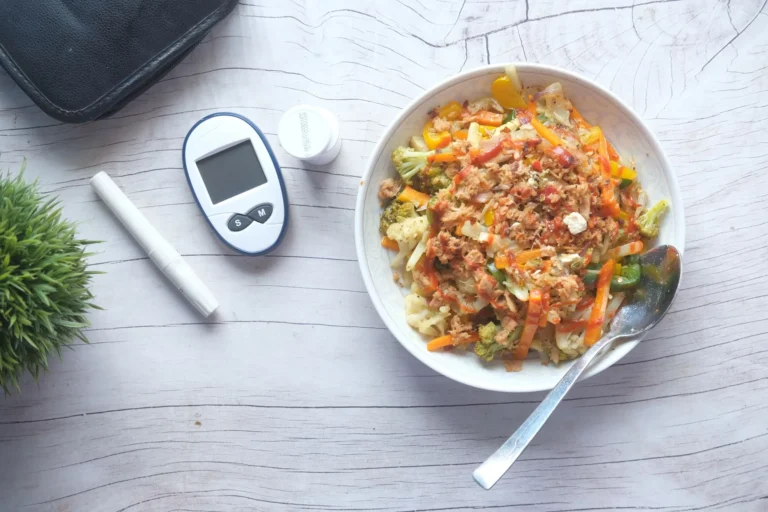
Prioritize fiber, lean protein, and whole foods while cutting refined carbohydrates and sugary drinks. To reduce glucose spikes, pair carbohydrates with protein or fat and eat vegetables first. Our detailed nutrition guide for type 2 diabetes breaks down the best food choices meal by meal.
4. Fix Sleep and Stress
Fewer than six hours of sleep raises insulin resistance measurably. Managing cortisol through consistent sleep and stress reduction supports steadier blood sugar control throughout the day.
| Marker | Normal | Prediabetes | Type 2 Diabetes |
|---|---|---|---|
| A1c | Below 5.7% | 5.7%–6.4% | 6.5% or higher |
| Fasting glucose | Below 100 mg/dL | 100–125 mg/dL | 126 mg/dL or higher |
| 2-hour glucose | Below 140 mg/dL | 140–199 mg/dL | 200 mg/dL or higher |
“The Diabetes Prevention Program showed that lifestyle intervention reduced the incidence of diabetes by 58 percent — even more than the 31 percent seen with metformin.”
— Dr. David M. Nathan, Director of the Diabetes Center, Massachusetts General Hospital
The Gut Health Connection: An Emerging Frontier
The key takeaway: A growing body of research links the gut microbiome to insulin sensitivity, suggesting that intestinal health may influence how the body regulates blood sugar.
In our analysis of recent metabolic research, one theme keeps surfacing: the balance of bacteria in the intestine affects inflammation and glucose metabolism. Some studies published in the National Library of Medicine (PubMed Central) associate specific microbial imbalances with reduced insulin efficiency.
This connection between gut health and insulin is why some researchers now explore whether restoring intestinal balance could support metabolic recovery. We’ve found the topic increasingly discussed in the context of the root causes of type 2 diabetes that mainstream treatment often overlooks.
While the science is still developing, the practical takeaway is consistent: fiber-rich foods, fermented options, and reduced processed sugar all support a healthier microbiome and steadier glucose.
Can Prediabetes Be Reversed Naturally?
In summary: Yes — for most people, prediabetes can be reversed to normal blood sugar through consistent lifestyle changes, often without medication.
Reversal means bringing your A1c and fasting glucose back into the normal range and keeping them there. The earlier you act, the higher your success rate. Explore whether you can reverse type 2 diabetes naturally for a deeper look at the full recovery process.
A natural method for diabetes control typically stacks the pillars above: nutrition, movement, sleep, and stress management. For many, these changes serve as a genuine alternative to diabetes medication during the prediabetic stage — though never a replacement for medical supervision.
Medical disclaimer: This article is for educational purposes only and does not replace professional medical advice. Prediabetes and diabetes are serious conditions. Always consult a licensed healthcare provider before changing your diet, exercise routine, or medication.
Frequently Asked Questions
What is the normal range for blood sugar levels?
A normal fasting blood glucose is below 100 mg/dL, and a normal A1c is below 5.7%. Levels above these thresholds but below the diabetic range indicate prediabetes. You can review the full breakdown in our guide to the normal range for blood sugar levels.
How long does it take to reverse prediabetes?
Most people see meaningful improvement in blood sugar within 3 to 6 months of consistent lifestyle changes, with full reversal often achieved within a year. Results depend on starting A1c, weight loss, and adherence.
Does prediabetes always turn into type 2 diabetes?
No. Without intervention, about 5–10% of people with prediabetes progress each year, but proven lifestyle changes can reduce that risk by more than half, according to the Diabetes Prevention Program.
What foods should I avoid with prediabetes?
Limit sugary drinks, refined grains, white bread, pastries, and processed snacks — these cause sharp glucose spikes. Focus instead on non-starchy vegetables, lean protein, legumes, and whole grains to keep blood sugar stable.
Can I lower blood sugar without medication?
Many people in the prediabetic stage can manage blood sugar through diet, exercise, and sleep alone. Our guide on how to lower blood sugar without medication covers practical steps, always under medical guidance.
Conclusion
The key takeaway: Prediabetes is your body’s early warning — and one of the few health conditions where timely action almost always changes the outcome.
By losing modest weight, moving regularly, improving your diet, and protecting your sleep, you can shift your blood sugar back toward normal and sidestep type 2 diabetes. The prediabetic window is short but powerful; those who act within it rarely regret it.
Emerging research on the gut-insulin connection adds another promising angle worth watching as science evolves.
If this guide convinced you that prediabetes is reversible, the natural next step is understanding the deeper metabolic triggers behind rising blood sugar. DiabetesLeak explores a natural approach built around research from Harvard and a study involving 1,247 people, presented in an educational video featuring Dr. Robert Stevens. It’s a compelling perspective for anyone ready to address the hidden roots of insulin resistance.