How to Lower Blood Sugar Quickly Without Medication

Learn how to lower blood sugar quickly without medication using proven natural strategies — hydration, movement, fiber, and lifestyle habits that work fast.
To lower blood sugar quickly without medication, the fastest evidence-based methods are drinking water to dilute glucose, taking a 10-15 minute brisk walk to help muscles absorb sugar, and eating fiber or protein to slow further glucose spikes. These actions can start reducing elevated readings within 30 to 60 minutes for many people with Type 2 Diabetes.
Key Takeaways
- Physical movement (walking, resistance exercise) pulls glucose from the blood into muscles within 15-45 minutes.
- Staying well-hydrated helps kidneys flush excess sugar through urine.
- Fiber, protein, and healthy fats slow the release of glucose into the bloodstream.
- Chronic insulin resistance is the underlying issue in most Type 2 Diabetes cases and requires long-term lifestyle change, not just quick fixes.
- Emerging research explores gut health and its links to metabolic disease as a possible hidden driver.
What Does “Lowering Blood Sugar Quickly” Actually Mean?
The key takeaway: Lowering blood sugar quickly means reducing an elevated post-meal or fasting glucose reading back toward a safe range within 30 minutes to a few hours using natural methods.
Blood sugar, or blood glucose, is the amount of sugar circulating in your bloodstream. After eating, glucose rises; a healthy body releases insulin to move that sugar into cells for energy.
In people with Type 2 Diabetes, cells stop responding properly to insulin — a condition called insulin resistance — so glucose stays elevated in the blood for too long.
For context on what “elevated” means, the U.S. Centers for Disease Control and Prevention considers a fasting reading of 126 mg/dL or higher to indicate diabetes. If you are unsure of your target ranges, review what a normal range for blood sugar levels looks like before acting.
7 Ways to Lower Blood Sugar Quickly Without Medication
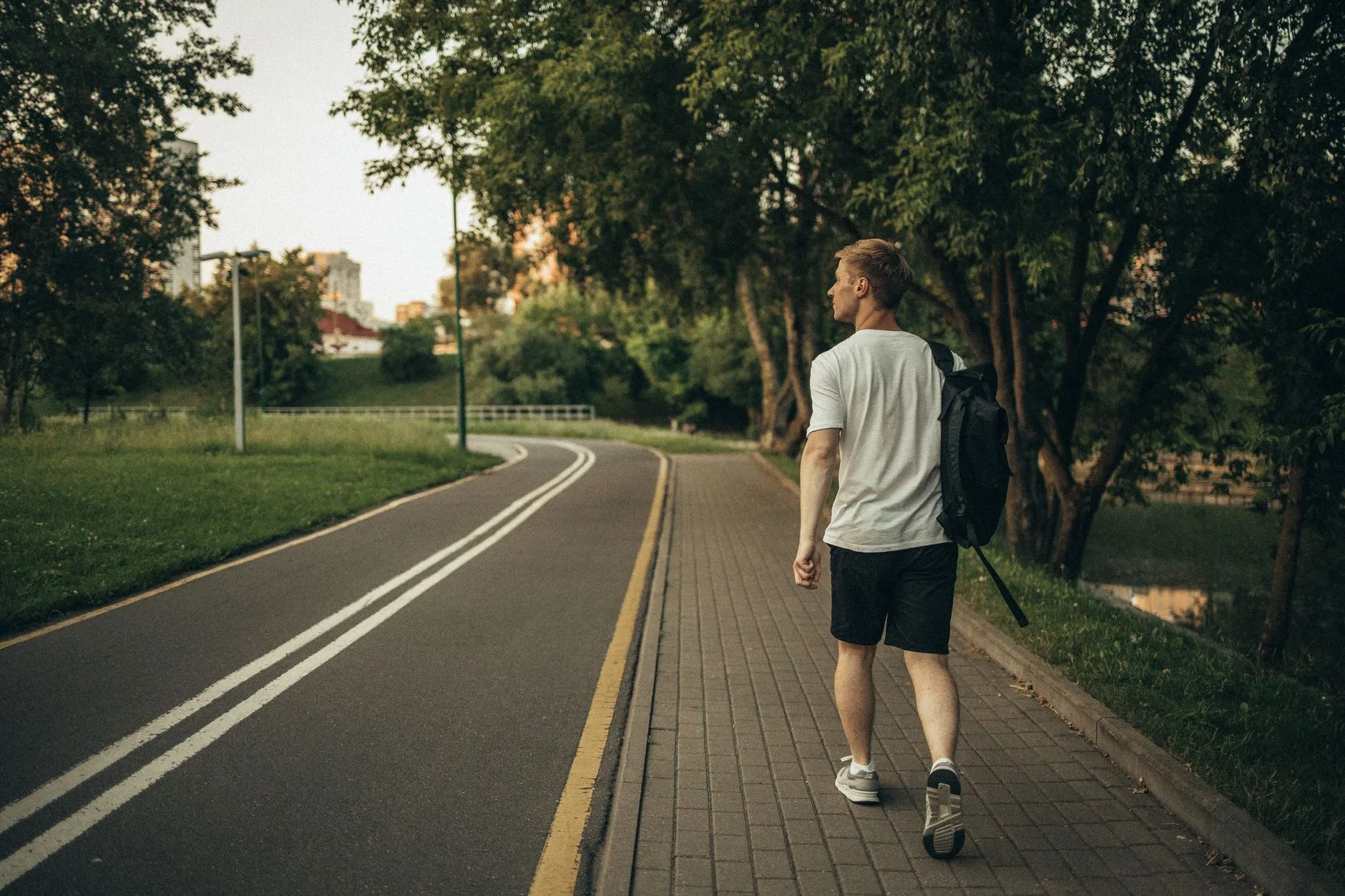
The key takeaway: The most reliable natural methods to reduce glucose in the blood combine movement, hydration, and smart food choices — most work within an hour.
1. Take a Brisk Walk or Light Exercise
Muscle contraction allows cells to absorb glucose without needing extra insulin. A 10-15 minute walk after eating is one of the fastest ways to blunt a spike.
A study published in Sports Medicine (2022) found that even 2-5 minutes of light walking after a meal meaningfully reduced blood glucose responses.
2. Drink Water to Stay Hydrated
Water does not remove sugar directly, but adequate hydration helps the kidneys excrete excess glucose through urine and prevents blood from becoming more concentrated.
Aim for plain water — avoid juices and sweetened drinks that add more glucose to the mix.
3. Eat Fiber Before or With Carbohydrates
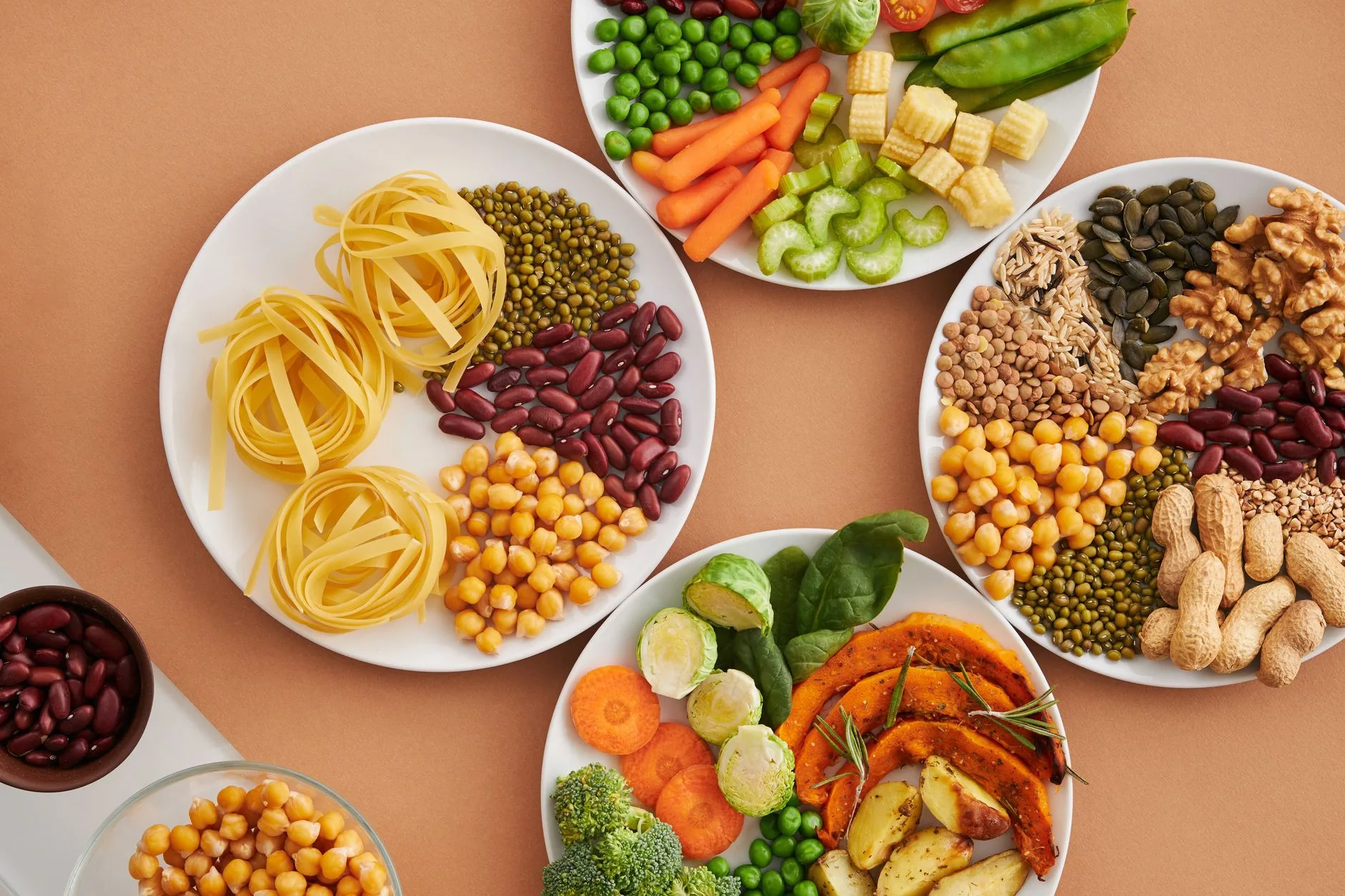
Soluble fiber slows digestion and the absorption of sugar, flattening the post-meal curve. Vegetables, beans, oats, and chia seeds are strong choices.
Eating fiber and protein before starchy carbs is a simple sequencing trick that lowers the resulting glucose spike.
4. Add Protein and Healthy Fats
Protein and fat slow gastric emptying, meaning glucose enters the bloodstream more gradually. Pairing carbs with eggs, nuts, or avocado reduces the sharp rise.
5. Practice Portion Control
Smaller carbohydrate portions produce smaller glucose spikes. If a reading is already high, avoid adding more refined carbs until it comes back down.
6. Manage Stress
Stress hormones like cortisol raise blood sugar. Deep breathing, a short walk, or a few minutes of quiet can lower stress-driven glucose elevation.
7. Prioritize Sleep
Poor sleep worsens insulin resistance the next day. Consistent, adequate sleep is a slower but powerful tool for stabilizing readings over time.
Important medical disclaimer: This article is for educational purposes only and is not medical advice. Do not stop or change prescribed medication without consulting your doctor. If your blood sugar is extremely high (over 240 mg/dL), you have symptoms of ketoacidosis, or you feel unwell, seek immediate medical care.
Fast-Acting Methods vs. Long-Term Control: A Comparison
In summary: Quick methods manage a single high reading, while long-term strategies address the root cause — insulin resistance — to control blood sugar permanently.
| Method | Speed of Effect | Best For |
|---|---|---|
| Brisk walking | 15-45 minutes | Post-meal spike |
| Hydration | 1-2 hours | Concentrated blood glucose |
| Fiber-first eating | During the meal | Preventing spikes |
| Weight loss | Weeks to months | Reversing insulin resistance |
| Consistent sleep | Days to weeks | Long-term stability |
Why Does Blood Sugar Stay High? Understanding the Root Cause
The key takeaway: The core driver of persistently high glucose in Type 2 Diabetes is insulin resistance — but researchers increasingly examine what triggers that resistance in the first place.
In our analysis of the natural-health literature, we’ve found that most advice stops at symptom management — walk more, eat less sugar — without asking why the body became resistant to insulin at all.
Recent metabolic research has turned attention toward the gut. The National Institute of Diabetes and Digestive and Kidney Diseases notes that inflammation and body composition strongly influence insulin sensitivity.
Information gain — a perspective often missed: Some independent researchers, including work associated with Dr. Robert Stevens, have proposed that chronic low-grade gut inflammation — potentially linked to a parasita intestinal (intestinal parasite) burden — may keep the body in an inflammatory state that sustains insulin resistance. While mainstream medicine focuses on diet and weight, this gut-first angle is an area worth watching as microbiome science advances.
To go deeper on this debate, see our breakdown of the root cause of Type 2 Diabetes and what Harvard research suggests.
Natural Treatment vs. an Alternative to Diabetes Medication
In summary: Lifestyle change is a legitimate alternative approach to diabetes medications for many people with early Type 2 Diabetes, but it should be pursued with medical supervision.
Pros of Natural Methods
- No pharmaceutical side effects
- Addresses underlying insulin resistance
- Improves overall health and energy
- Sustainable and low-cost
Cons / Cautions
- Slower than medication for acute highs
- Requires consistency and discipline
- Not a replacement for insulin in advanced cases
- Must be monitored with your doctor
We recommend treating natural strategies as the foundation and medication as a tool your physician may adjust as your numbers improve. Many people can meaningfully reverse Type 2 Diabetes naturally in its early stages through weight loss and diet.
A Simple 24-Hour Plan to Lower Blood Sugar Naturally
The key takeaway: Structuring your day around movement, fiber, and hydration keeps glucose stable from morning to night.
- Morning: Drink a large glass of water; eat a protein and fiber breakfast (eggs, vegetables, oats).
- Mid-morning: Take a 10-minute walk.
- Lunch: Eat vegetables and protein first, carbs last; follow with a short walk.
- Afternoon: Hydrate; choose nuts over sugary snacks.
- Dinner: Keep carbs moderate; finish eating a few hours before bed.
- Evening: Practice 5 minutes of relaxation; aim for 7-8 hours of sleep.
Frequently Asked Questions
What is the fastest way to lower blood sugar without medication?
The fastest natural method is physical movement — a brisk 10-15 minute walk or light exercise. Muscle activity pulls glucose out of the bloodstream within 15 to 45 minutes, often without needing extra insulin. Drinking water alongside movement supports the effect.
How long does it take to lower blood sugar naturally?
A single high reading can begin dropping within 30 to 60 minutes with walking and hydration. Reversing the underlying insulin resistance, however, typically takes weeks to months of consistent diet, exercise, and weight management.
What foods lower blood sugar quickly?
No food instantly removes sugar, but fiber-rich vegetables, beans, chia seeds, and protein-heavy foods slow glucose absorption and blunt spikes. Eating these before carbohydrates is a proven way to flatten the post-meal glucose curve.
Can you reverse Type 2 Diabetes without medication?
Many people in the early stages can achieve remission through significant weight loss, a low-refined-carb diet, and regular exercise, according to clinical research. Whether medication is needed depends on how advanced the condition is and should be decided with a doctor. Learn more about whether Type 2 Diabetes can be reversed naturally.
Is drinking water good for high blood sugar?
Yes. Staying hydrated helps the kidneys flush excess glucose out through urine and prevents blood from becoming more concentrated. Choose plain water and avoid sweetened beverages, which add more sugar.
Conclusion
In summary: You can lower blood sugar quickly without medication by combining movement, hydration, fiber, and stress control — but lasting results come from addressing the root cause of insulin resistance.
Quick fixes manage today’s reading; long-term lifestyle change is what truly stabilizes glucose and may allow some people to reverse the condition entirely.
The most important shift is moving from managing symptoms to understanding what is driving them in the first place.
If this guide convinced you that the real target is the hidden root cause behind insulin resistance — not just the numbers on your glucose meter — that is exactly the question DiabetesLeak explores. Their research draws on a Harvard-linked study of 1,247 people and the work of Dr. Robert Stevens to reveal what may keep blood sugar high and outline a natural 21-day approach to regaining control. For readers ready to act on what they learned here, it is the logical next step.