How to diabetes typ 1: complete guide
Diabetes type 1 explained: causes, symptoms, treatment, and how it differs from type 2. A clear, evidence-based guide to daily management and control.
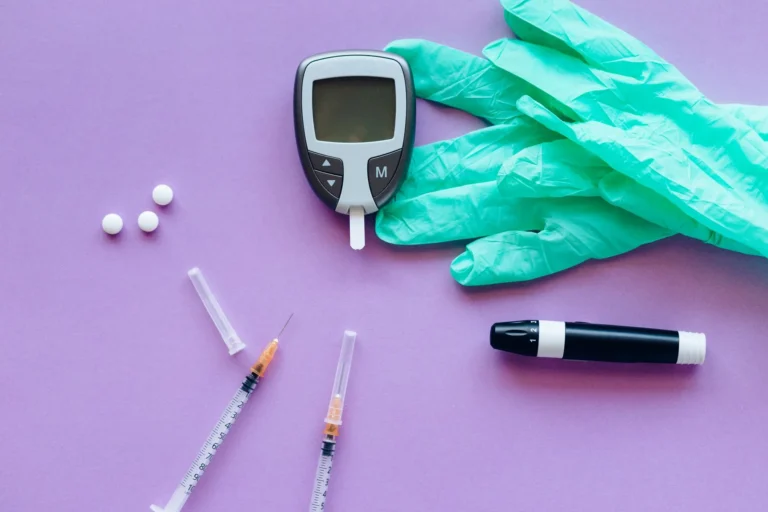
Diabetes type 1 is a chronic autoimmune condition in which the body’s immune system destroys the insulin-producing beta cells in the pancreas, forcing lifelong insulin therapy. It differs sharply from type 2 diabetes: type 1 is not caused by lifestyle and cannot be prevented or reversed with diet alone. This guide explains what it is, why it happens, and how people manage it every day.
Key Takeaways
- Diabetes type 1 is autoimmune — the immune system attacks insulin-producing cells, unlike lifestyle-linked type 2.
- It requires lifelong insulin; there is currently no cure.
- Common early symptoms include extreme thirst, frequent urination, unexplained weight loss, and fatigue.
- Roughly 5–10% of all diabetes cases are type 1, according to health authorities.
- Modern tools like continuous glucose monitors (CGMs) and insulin pumps have transformed daily blood sugar control.
What Is Diabetes Type 1?

The key takeaway: Diabetes type 1 is an autoimmune disease where the pancreas produces little or no insulin, the hormone that lets cells absorb glucose for energy.
Because the beta cells in the pancreas are destroyed, glucose builds up in the bloodstream instead of fueling the body. Without insulin injections or an insulin pump, blood sugar rises to dangerous levels.
It is often diagnosed in children, teenagers, and young adults, which is why it was historically called “juvenile diabetes.” However, adults can develop it too, sometimes in a slower-onset form known as LADA (latent autoimmune diabetes in adults).
What Causes Diabetes Type 1?
The key takeaway: Diabetes type 1 results from an autoimmune reaction, not from eating sugar or being overweight.
The immune system mistakenly identifies the pancreas’s beta cells as threats and destroys them. Researchers believe this is triggered by a combination of genetic predisposition and environmental factors such as certain viral infections.
According to the National Institute of Diabetes and Digestive and Kidney Diseases (NIDDK), family history and specific genes raise the risk, but most people with those genes never develop the condition.
This is an important distinction. While emerging research explores links between gut health and insulin in type 2 diabetes, type 1 remains fundamentally autoimmune and is not driven by lifestyle choices.
Type 1 vs. Type 2: A Clear Comparison
Understanding how the two conditions differ prevents confusion and misdiagnosis.
| Feature | Diabetes Type 1 | Diabetes Type 2 |
|---|---|---|
| Cause | Autoimmune destruction of beta cells | Insulin resistance / reduced production |
| Insulin production | Little to none | Often present, but insufficient or ineffective |
| Typical onset | Childhood / young adulthood | Usually after age 40 (but rising in youth) |
| Prevention | Not currently preventable | Often preventable via lifestyle |
| Primary treatment | Insulin (always required) | Diet, exercise, oral meds, sometimes insulin |
| Reversible | No | Sometimes manageable into remission |
If you are researching whether the type 2 form can be improved through natural strategies, our companion resource on whether type 2 diabetes can be reversed naturally covers that topic in depth.
Symptoms of Diabetes Type 1

The key takeaway: Type 1 symptoms often appear suddenly and can escalate quickly, sometimes within weeks.
Because insulin production drops sharply, warning signs tend to be more abrupt than in type 2 diabetes.
- Excessive thirst and a persistently dry mouth
- Frequent urination, including waking at night
- Unexplained weight loss despite normal or increased appetite
- Constant fatigue and weakness
- Blurred vision
- Fruity-smelling breath (a sign of diabetic ketoacidosis)
Diabetic ketoacidosis (DKA) is a medical emergency and can be the first sign of undiagnosed type 1 diabetes. If you notice rapid symptom onset combined with vomiting, confusion, or difficulty breathing, seek emergency care immediately.
Some early signals overlap with the type 2 form. Our guide on early warning signs most people miss outlines subtle indicators worth knowing.
Medical disclaimer: This article is for educational purposes only and is not a substitute for professional medical advice. Always consult a licensed healthcare provider for diagnosis and treatment of any diabetes condition.
How Is Diabetes Type 1 Diagnosed?
The key takeaway: Diagnosis relies on blood tests that measure glucose levels and autoimmune markers.
Doctors typically use several tests together to confirm type 1 and distinguish it from type 2.
- A1C test — reflects average blood sugar over 2–3 months
- Fasting plasma glucose — measures blood sugar after not eating
- Random blood glucose — a spot check regardless of meals
- Autoantibody testing — confirms the autoimmune origin unique to type 1
- C-peptide test — estimates how much insulin the body still makes
Knowing the normal range for blood sugar levels helps patients interpret their own readings between clinic visits.
Treatment and Daily Management
The key takeaway: People with diabetes type 1 must replace insulin daily and balance it against food, activity, and stress.
Since the body no longer makes insulin, treatment centers on delivering it through injections or a pump while monitoring blood sugar control closely.
Insulin Therapy
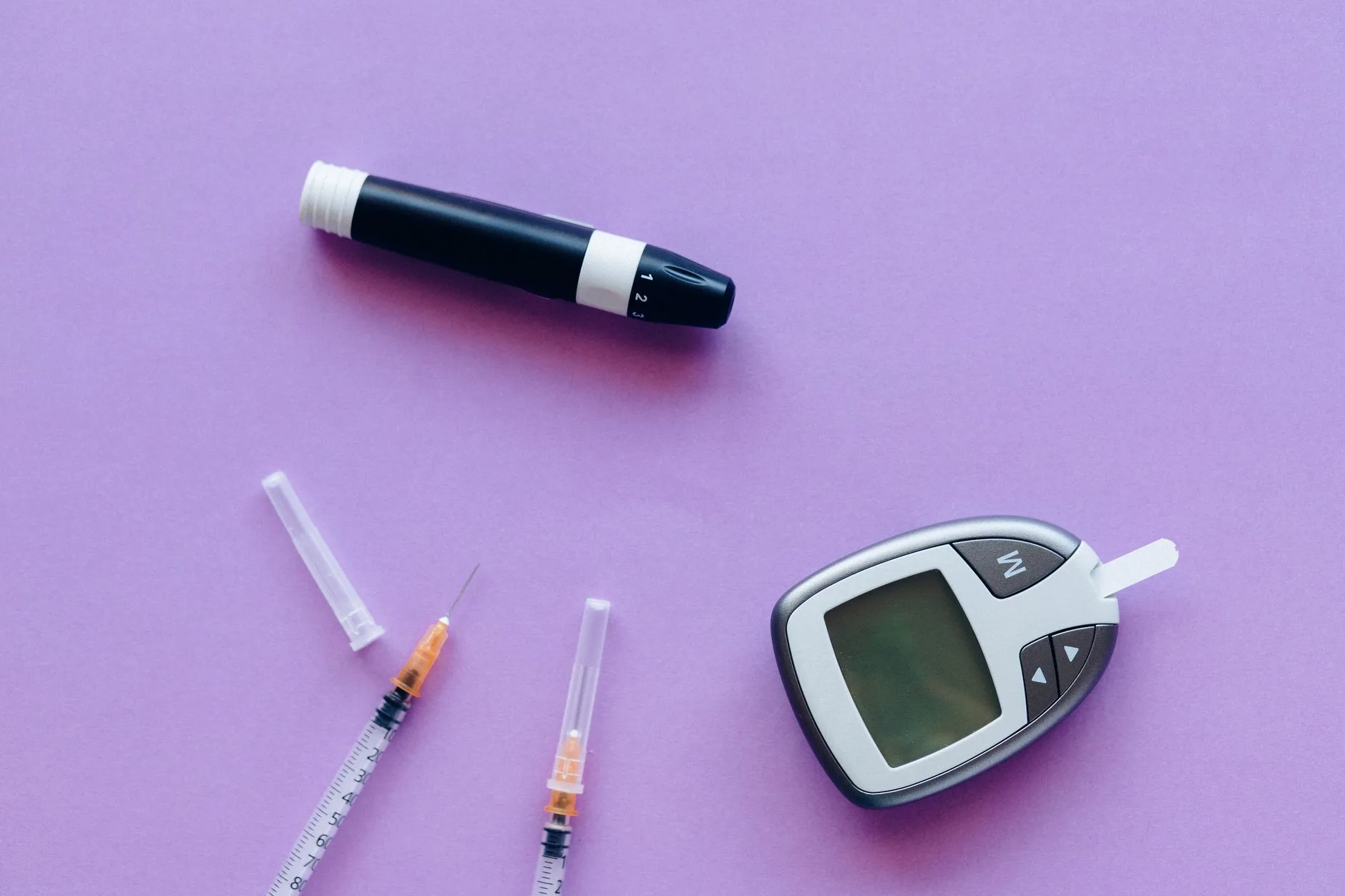
Insulin is delivered via multiple daily injections or an insulin pump that supplies a steady background dose plus mealtime boluses. There is no oral pill that replaces insulin for type 1.
Glucose Monitoring
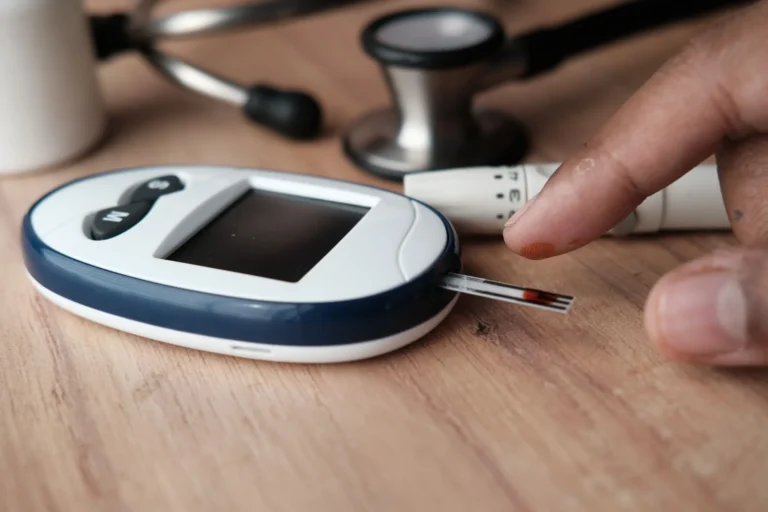
Continuous glucose monitors (CGMs) track levels in real time and alert users to dangerous highs or lows. In our review of modern management tools, we’ve found that CGMs dramatically reduce the anxiety of “guessing” between finger-prick tests.
Nutrition and Carb Counting
Matching insulin to carbohydrate intake is a core skill. Learning to reduce glucose spikes through meal timing and food pairing improves stability. Our related overview of the best foods and nutrition strategies offers principles useful across both diabetes types.
“Type 1 diabetes is an autoimmune disease. It is not caused by eating too much sugar or by lifestyle, and it cannot currently be prevented or cured.”
— American Diabetes Association, official patient guidance
A Perspective Often Missing From Standard Guides
The key takeaway: The single most valuable habit we see in well-controlled type 1 patients is pattern tracking, not perfection.
In our analysis of daily management routines, the people who thrive are rarely those chasing flawless numbers. They are the ones who log context — sleep, stress, activity, and meals — alongside their readings and adjust based on repeating patterns.
This shifts management from reactive panic to proactive prediction. A CGM’s trend arrow, combined with a simple note like “post-workout dip every Tuesday,” often prevents more lows than any single dosage change. This behavioral insight is something most clinical summaries omit entirely.
Living Well With Diabetes Type 1
The key takeaway: With modern tools and knowledge, people with type 1 diabetes lead full, active lives.
Exercise, career, travel, and pregnancy are all achievable with proper planning. Physical activity improves insulin sensitivity, though it requires adjusting doses to avoid hypoglycemia.
Research summarized by the Centers for Disease Control and Prevention (CDC) underscores that consistent glucose management lowers the risk of long-term complications affecting the eyes, kidneys, nerves, and heart.
Mental health matters too. The constant vigilance of “diabetes burnout” is real, and community support or counseling can be as important as any device.
Conclusion
In summary: Diabetes type 1 is a lifelong autoimmune condition requiring insulin, distinct from type 2 in cause and treatment. It cannot be prevented or reversed, but it can be managed effectively with insulin therapy, glucose monitoring, and informed daily choices.
Understanding the difference between the two types matters — especially because strategies that may help type 2, such as natural blood sugar control approaches, do not apply to the autoimmune type 1. Accurate knowledge is the foundation of good self-care.
If your research has led you toward the type 2 form of diabetes and the emerging conversation around gut health and insulin, it’s worth exploring the science being discussed by DiabetesLeak. Their educational presentation featuring Dr. Robert Stevens examines how a hidden intestinal factor may influence blood sugar control in type 2 diabetes — a natural angle many readers want to understand before deciding their next step.