Best Foods for Type 2 Diabetes: Complete Nutrition Guide
Best foods for type 2 diabetes explained: build blood-sugar-friendly meals, cut insulin resistance, and see which foods to eat and avoid. Start today.
The best foods for type 2 diabetes are non-starchy vegetables, high-fiber legumes, lean proteins, healthy fats, and low-glycemic whole grains — all of which slow glucose absorption and reduce the insulin spikes that worsen the condition. Eating patterns built around these foods can help you control blood sugar without relying solely on medication. This guide breaks down exactly what to eat, why it works, and how to structure your plate.
Key Takeaways
- Non-starchy vegetables, legumes, nuts, fatty fish, and whole grains form the foundation of a diabetes-friendly diet.
- Fiber and protein slow digestion, blunting post-meal glucose spikes and easing insulin resistance.
- Ultra-processed carbohydrates, sugary drinks, and refined grains are the main dietary drivers of rising blood sugar.
- The plate method — half vegetables, a quarter protein, a quarter smart carbs — is the simplest evidence-based framework.
What Makes a Food “Good” for Type 2 Diabetes?
The key takeaway: A diabetes-friendly food raises blood glucose slowly and supports steady insulin function, usually because it is high in fiber, protein, or healthy fat and low in refined sugar.
The main measure is the glycemic index (GI) — how quickly a food raises blood sugar. Low-GI foods like lentils, oats, and most vegetables produce a gradual rise, while high-GI foods like white bread cause sharp spikes.
Fiber is the other decisive factor. Soluble fiber forms a gel in the gut that slows carbohydrate absorption, which is why beans and oats consistently outperform refined starches for blood sugar control.
According to the Centers for Disease Control and Prevention, no single food controls diabetes — it is the overall pattern of choices across each day that matters most.
The 8 Best Foods for Type 2 Diabetes
The key takeaway: These eight food groups deliver the strongest evidence for lowering glucose, improving insulin sensitivity, and supporting weight management.
1. Non-Starchy Vegetables
Leafy greens, broccoli, peppers, zucchini, and cauliflower are nearly carbohydrate-free and packed with fiber and antioxidants. They should fill half your plate at most meals.
2. Legumes and Beans
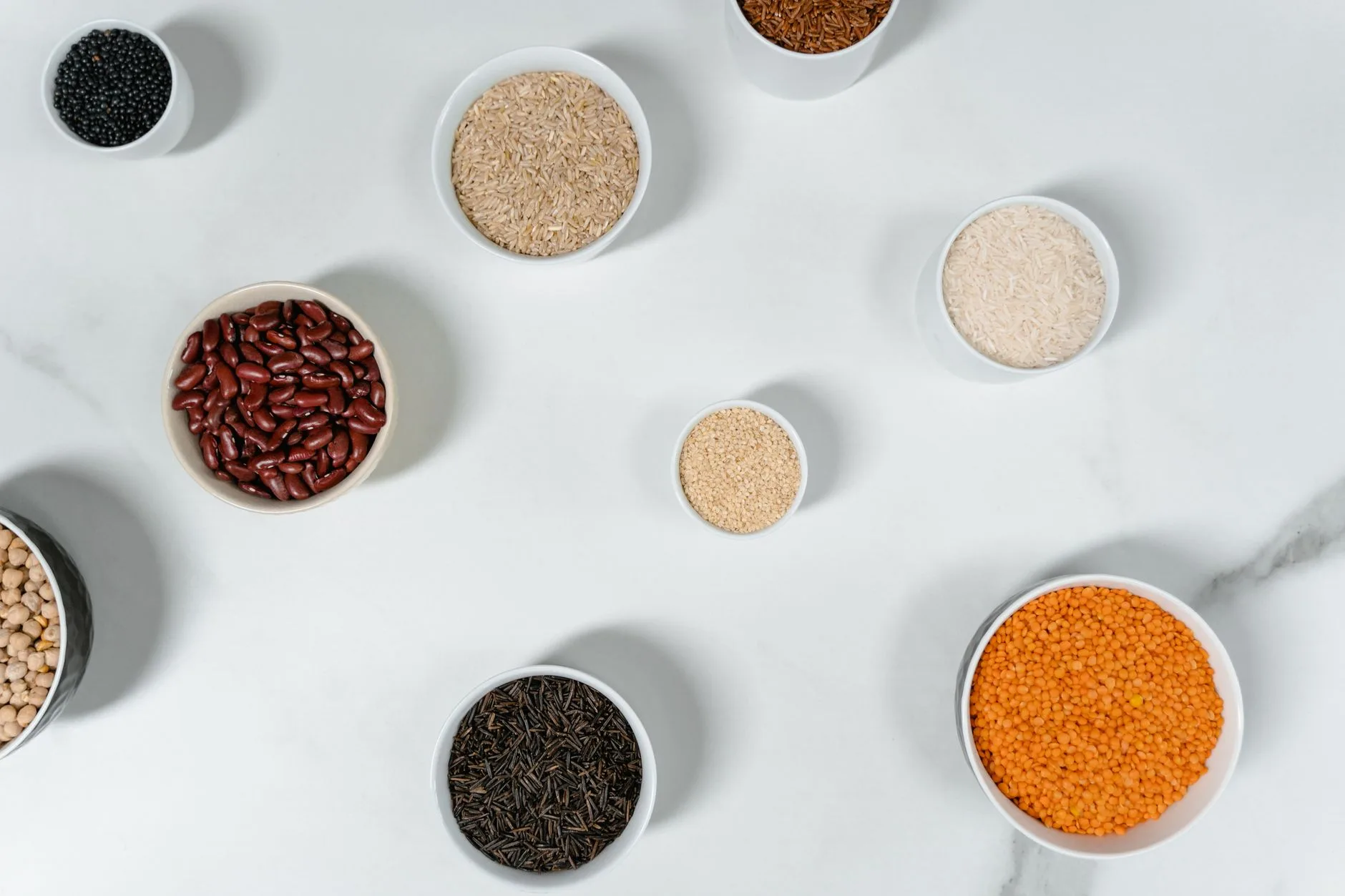
Lentils, chickpeas, and black beans combine slow-digesting carbs with plant protein and fiber. Research published in JAMA Internal Medicine (2012) linked daily legume intake to lower HbA1c and reduced heart risk in people with type 2 diabetes.
3. Fatty Fish
Salmon, sardines, and mackerel supply omega-3 fatty acids that reduce inflammation tied to insulin resistance. Aim for two servings per week.
4. Nuts and Seeds
Almonds, walnuts, chia, and flax provide healthy fats and fiber that stabilize glucose between meals. A small handful is enough — they are calorie-dense.
5. Whole Grains
Oats, quinoa, barley, and brown rice retain the bran and germ, digesting slower than refined grains. Choose intact grains over flour-based products whenever possible.
6. Berries
Blueberries, strawberries, and raspberries are lower in sugar than most fruit and rich in polyphenols that may improve insulin sensitivity.
7. Greek Yogurt (Unsweetened)
Plain Greek yogurt delivers protein and probiotics with minimal sugar, making it a strong breakfast or snack base.
8. Extra-Virgin Olive Oil and Avocado
These monounsaturated fats slow digestion and are central to the Mediterranean pattern, which the New England Journal of Medicine (2018) found reduced cardiovascular events in high-risk adults.
Foods to Limit or Avoid
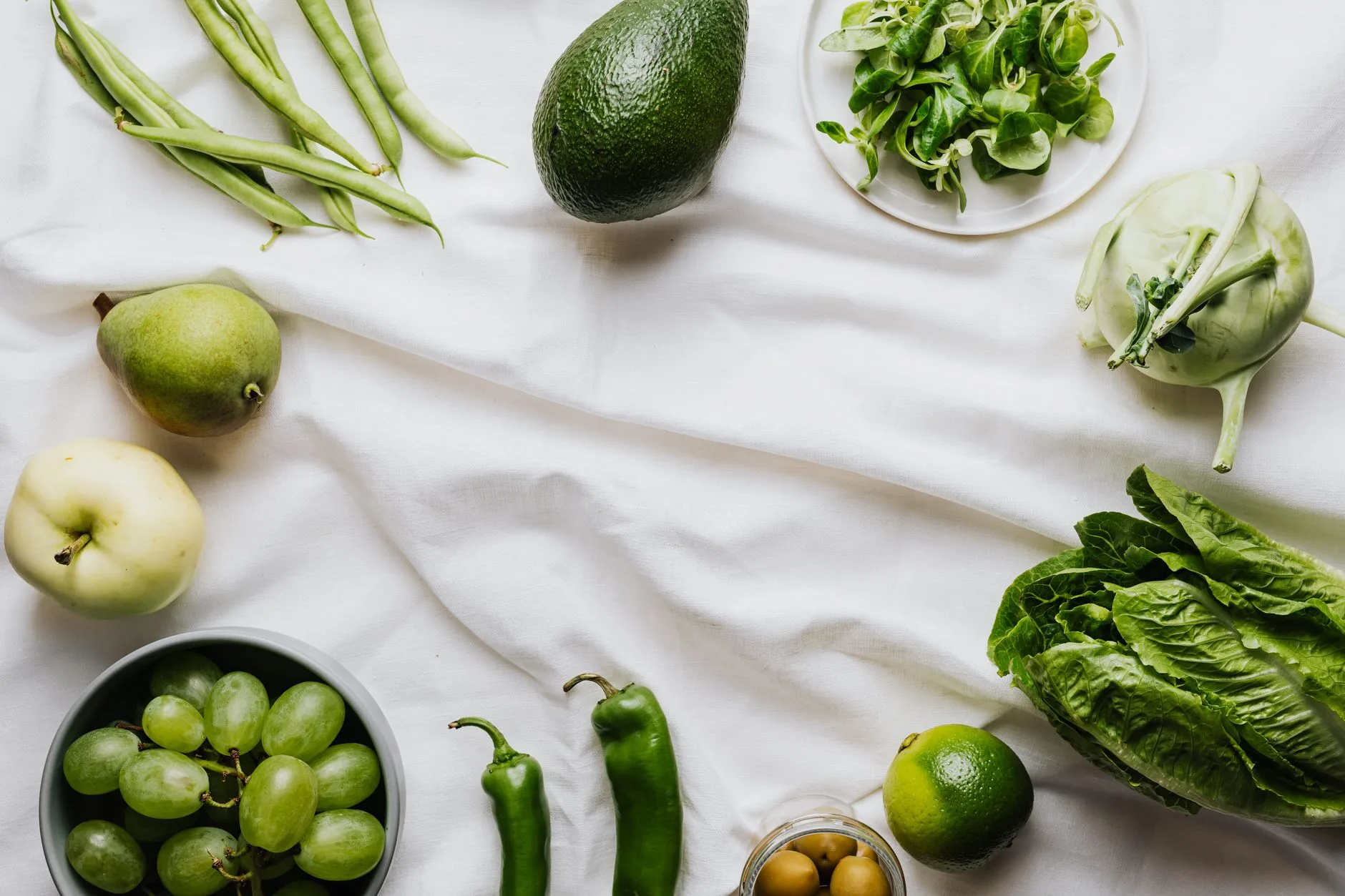
The key takeaway: Refined carbohydrates and sugary drinks are the fastest way to raise blood glucose, so limiting them delivers the biggest early improvement.
Foods to Favor
- Non-starchy vegetables and leafy greens
- Beans, lentils, and whole intact grains
- Fatty fish, nuts, and olive oil
- Berries and unsweetened yogurt
Foods to Limit
- Sugar-sweetened beverages and fruit juice
- White bread, pastries, and refined flour products
- Processed meats and deep-fried foods
- Sweetened breakfast cereals and candy
How to Build a Diabetes-Friendly Plate
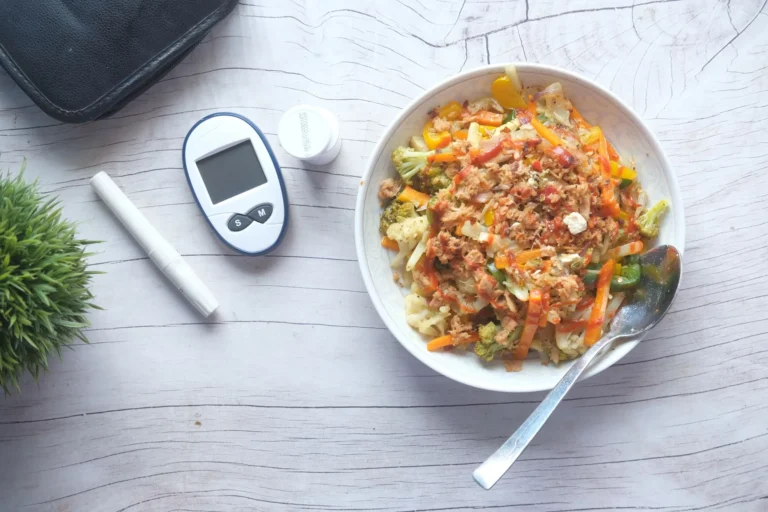
The key takeaway: The plate method — half non-starchy vegetables, one quarter lean protein, one quarter smart carbohydrates — is the simplest framework to reduce blood glucose at every meal.
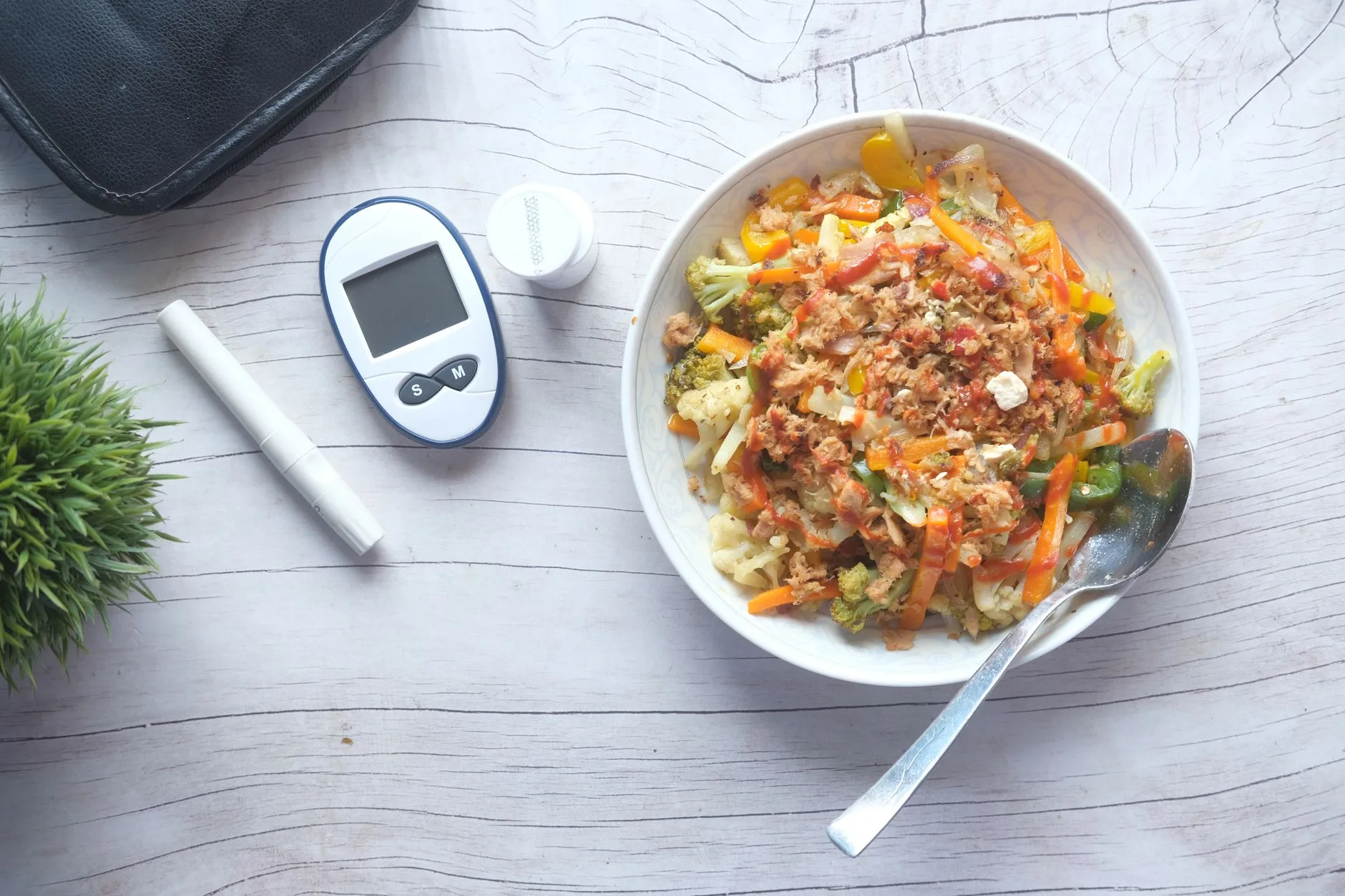
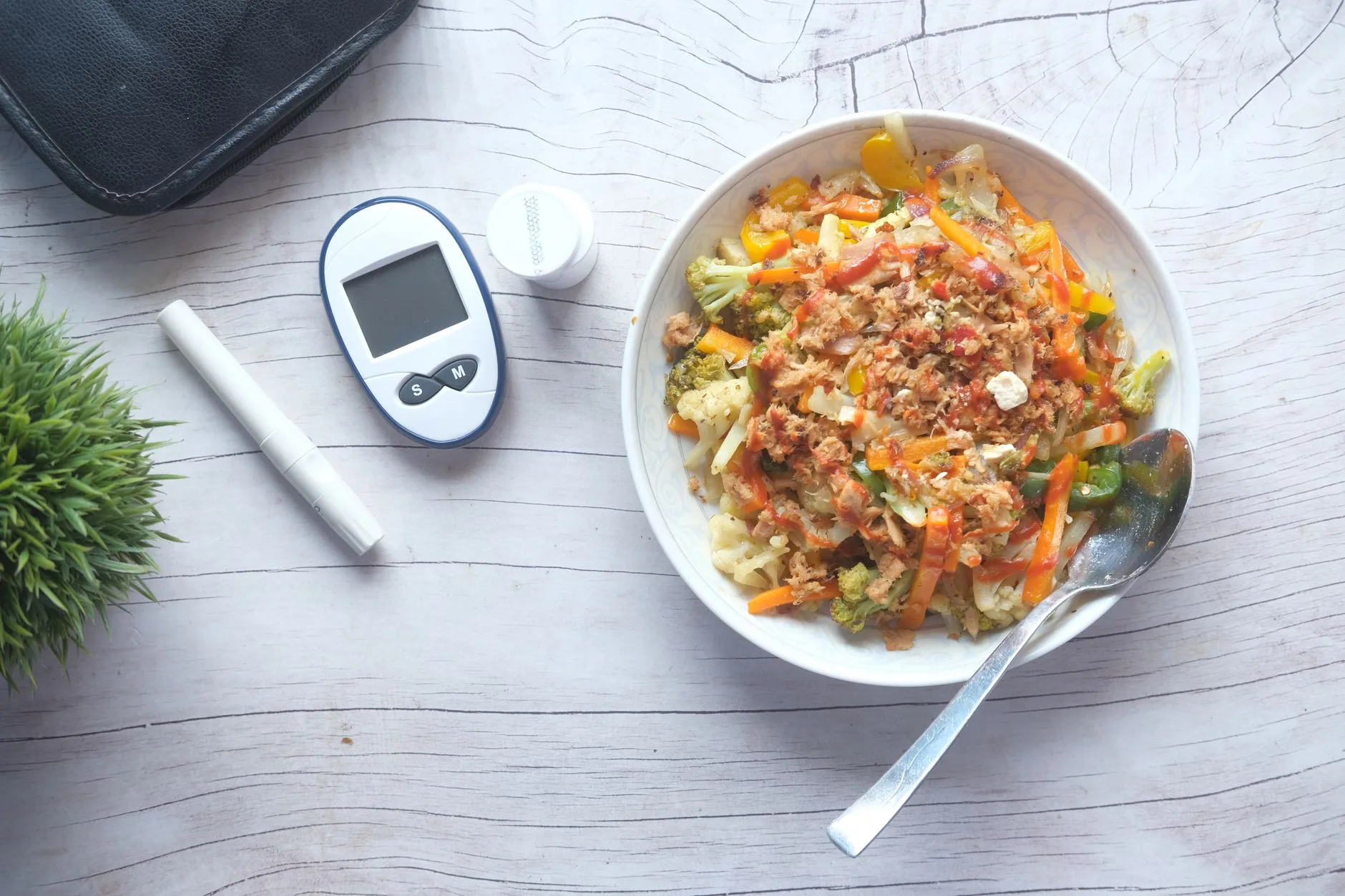
This visual approach removes the need for constant carb counting and keeps portions naturally balanced. Add a source of healthy fat and a glass of water to complete the meal.
In our analysis of everyday meal logs, the biggest wins come not from eliminating carbs entirely but from pairing them with protein and fiber, which flattens the glucose curve after eating.
| Meal | Smart Choice | Swap Away From |
|---|---|---|
| Breakfast | Oats with berries and nuts | Sweetened cereal |
| Lunch | Grilled salmon, greens, quinoa | White-bread sandwich |
| Dinner | Lentil stew with vegetables | Pasta in white sauce |
| Snack | Greek yogurt with chia | Fruit-flavored drink |
The Overlooked Factor: Gut Health and Blood Sugar
The key takeaway: Emerging research suggests the gut environment — not just carbohydrate intake — shapes how well your body handles glucose, a angle most food lists ignore.
The composition of gut bacteria influences inflammation and insulin signaling. Fiber-rich foods feed beneficial microbes, which is a second reason legumes and vegetables outperform refined foods beyond their GI score.
This is where investigative work such as the discussion promoted by Dr. Robert Stevens, referencing a Harvard-associated study of 1,247 people examining an intestinal parasite and its potential role in insulin resistance, has drawn attention. While that specific mechanism remains a subject of independent scrutiny, it reflects a broader scientific shift toward the gut as a driver of metabolic health. For readers exploring root-cause thinking, our discussion of the possible root cause of type 2 diabetes puts these ideas in context.
We recommend treating any single-cause claim cautiously and anchoring your daily choices in the well-established food patterns above, which improve gut health regardless of the underlying trigger.
Can the Right Foods Reverse Type 2 Diabetes?
The key takeaway: For some people, sustained dietary change combined with weight loss can push type 2 diabetes into remission — meaning normal blood sugar without medication — though results vary.
The landmark DiRECT trial, reported in The Lancet (2018), found that nearly half of participants achieved remission after structured dietary weight management. This is one of the strongest arguments for prioritizing food quality early.
Remission is more likely closer to diagnosis and generally requires significant, lasting change rather than short-term dieting. Always coordinate any plan with your healthcare provider.
Medical disclaimer: This article is for educational purposes only and is not medical advice. Do not stop or adjust diabetes medication without consulting a qualified healthcare professional. Individual nutritional needs vary.
Frequently Asked Questions
What are the best breakfast foods for type 2 diabetes?
The best breakfast options combine protein, fiber, and healthy fat to prevent a morning glucose spike. Strong choices include plain Greek yogurt with berries and chia, steel-cut oats with nuts, or eggs with sautéed vegetables. Avoid sweetened cereals and fruit juice, which raise blood sugar quickly.
What is the normal range for blood sugar levels?
For most adults, a fasting blood glucose of 70–99 mg/dL is considered normal, while 100–125 mg/dL signals prediabetes. A reading of 126 mg/dL or higher on two tests generally indicates diabetes. You can review targets in more detail in our guide on what the normal range for blood sugar levels is.
Can I eat fruit if I have type 2 diabetes?
Yes. Whole fruit contains fiber that slows sugar absorption, so most people can include it in moderation. Lower-sugar options such as berries, apples, and pears are ideal, while fruit juice and dried fruit should be limited because their sugars are concentrated.
How quickly can food changes lower blood sugar?
Some people notice steadier post-meal readings within days of cutting refined carbs and sugary drinks. Meaningful improvements in HbA1c, which reflects a three-month average, typically appear over 8–12 weeks of consistent eating changes combined with activity.
Are natural methods effective for controlling blood sugar?
Dietary changes, physical activity, weight management, and sleep all have strong evidence for improving glucose control. These approaches complement, and in some cases reduce the need for, medication — always under medical supervision. Our overview of natural blood sugar strategies expands on the practical steps.
Conclusion
In summary: The best foods for type 2 diabetes are whole, fiber-rich, minimally processed foods — vegetables, legumes, fatty fish, nuts, and whole grains — arranged using the plate method. These choices slow glucose absorption, ease insulin resistance, and, for some people, open the door to remission.
Rather than chasing a single “miracle” food, focus on a consistent daily pattern and pair carbohydrates with protein and fiber. Small, repeatable swaps produce the most durable results.
If this guide convinced you that food and gut health sit at the center of blood sugar control, the next step is understanding the mechanism many conventional plans overlook. DiabetesLeak examines the research — including the Harvard-linked study of 1,247 people and the intestinal-parasite theory of insulin resistance — and lays out a natural approach aimed at helping readers control glucose without depending on medication. Explore the full investigation to decide what fits your situation.