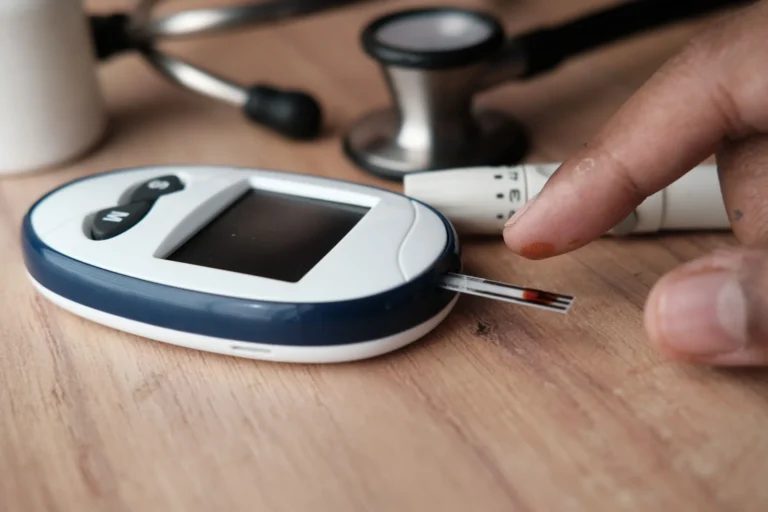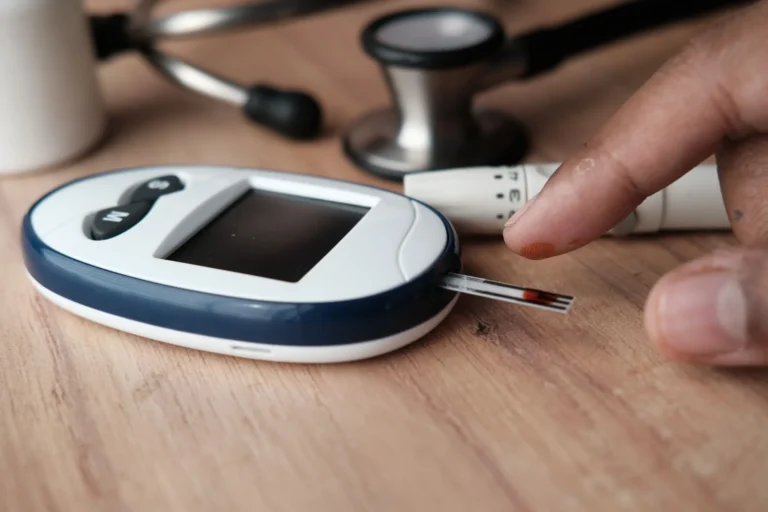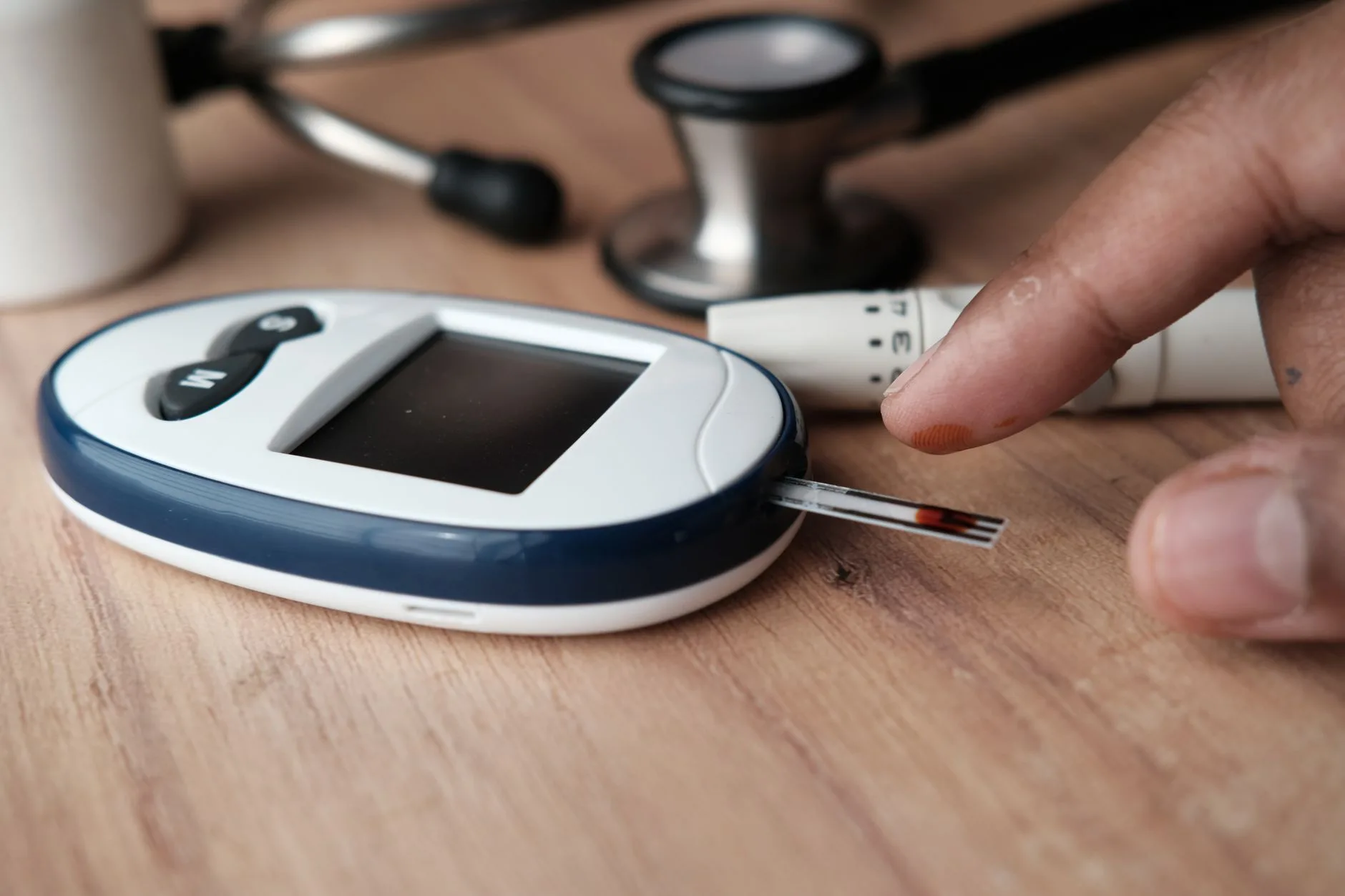
Can diabetes be cured with new treatment?
{
“@context”: “https://schema.org”,
“@graph”: [
{
“@type”: “Organization”,
“@id”: “https://diabetesleak.blog/#organization”,
“name”: “DiabetesLeak Editorial Team”,
“url”: “https://diabetesleak.blog”,
“logo”: {
“@type”: “ImageObject”,
“url”: “https://pub-57dcb4eaee354623a289e138cc1aaf58.r2.dev/authors/cmqykqazw000ddx01hhrz1tly-a752175c-69be-45ff-8b0b-d9f7c4b99dc6.webp”
}
},
{
“@type”: “WebPage”,
“@id”: “https://diabetesleak.blog/can-diabetes-be-cured-with-new-treatment.html#webpage”,
“url”: “https://diabetesleak.blog/can-diabetes-be-cured-with-new-treatment.html”,
“name”: “Can Diabetes Be Cured With New Treatment? Guide”,
“description”: “Can diabetes be cured with new treatment? Learn what science actually shows about type 2 diabetes reversal, remission, and emerging approaches.”,
“inLanguage”: “en”,
“datePublished”: “2026-07-13T15:30:35.026Z”,
“dateModified”: “2026-07-13T15:30:35.026Z”
},
{
“@type”: “BreadcrumbList”,
“@id”: “https://diabetesleak.blog/can-diabetes-be-cured-with-new-treatment.html#breadcrumb”,
“itemListElement”: [
{
“@type”: “ListItem”,
“position”: 1,
“item”: {
“@id”: “https://diabetesleak.blog”,
“name”: “diabetesleak.blog”
}
},
{
“@type”: “ListItem”,
“position”: 2,
“item”: {
“@id”: “https://diabetesleak.blog/blog”,
“name”: “Blog”
}
},
{
“@type”: “ListItem”,
“position”: 3,
“item”: {
“@id”: “https://diabetesleak.blog/can-diabetes-be-cured-with-new-treatment.html”,
“name”: “Can Diabetes Be Cured With New Treatment? Guide”
}
}
]
},
{
“@type”: “Article”,
“headline”: “Can Diabetes Be Cured With New Treatment? A Complete Evidence-Based Guide”,
“description”: “An evidence-based guide explaining whether diabetes can be cured with new treatment, covering remission, GLP-1 drugs, gut health, and natural methods.”,
“author”: {
“@type”: “Organization”,
“name”: “DiabetesLeak”
},
“publisher”: {
“@type”: “Organization”,
“name”: “DiabetesLeak”,
“url”: “https://diabetesleak.blog”
},
“mainEntityOfPage”: {
“@type”: “WebPage”,
“@id”: “https://diabetesleak.blog/can-diabetes-be-cured-with-new-treatment.html#webpage”
},
“datePublished”: “2026-07-13T15:30:35.026Z”,
“dateModified”: “2026-07-13T15:30:35.026Z”,
“image”: {
“@type”: “ImageObject”,
“url”: “https://pub-57dcb4eaee354623a289e138cc1aaf58.r2.dev/articles/cmrjdny1u00eif201risurqkc-0.webp”,
“contentUrl”: “https://pub-57dcb4eaee354623a289e138cc1aaf58.r2.dev/articles/cmrjdny1u00eif201risurqkc-0.webp”
}
},
{
“@type”: “FAQPage”,
“mainEntity”: [
{
“@type”: “Question”,
“name”: “Can type 2 diabetes be permanently cured?”,
“acceptedAnswer”: {
“@type”: “Answer”,
“text”: “Not permanently in the strict sense. Type 2 diabetes can enter remission, meaning normal blood sugar without medication, but the condition can return if weight is regained or healthy habits stop. Ongoing lifestyle maintenance is required to sustain remission.”
}
},
{
“@type”: “Question”,
“name”: “What is the most effective new treatment for type 2 diabetes?”,
“acceptedAnswer”: {
“@type”: “Answer”,
“text”: “The strongest evidence supports significant weight loss, whether through structured low-calorie programs, GLP-1 medications, or metabolic surgery. These approaches improve insulin sensitivity and can lead to remission, especially when started early after diagnosis.”
}
},
{
“@type”: “Question”,
“name”: “Can changing gut health reverse diabetes?”,
“acceptedAnswer”: {
“@type”: “Answer”,
“text”: “Gut health influences inflammation, appetite hormones, and glucose processing, so improving it may support better blood sugar control. However, no treatment based solely on the gut microbiome has been proven to reverse diabetes on its own. It is best viewed as one part of a broader plan.”
}
},
{
“@type”: “Question”,
“name”: “Is diabetes remission the same as a cure?”,
“acceptedAnswer”: {
“@type”: “Answer”,
“text”: “No. Remission means the disease is inactive and blood sugar is normal without medication, but the underlying tendency remains. A cure would mean the disease could never return, which current science cannot deliver for type 2 diabetes.”
}
},
{
“@type”: “Question”,
“name”: “How long does it take to reverse type 2 diabetes?”,
“acceptedAnswer”: {
“@type”: “Answer”,
“text”: “In studies like DiRECT, many participants reached remission within a few months of substantial weight loss. Individual timelines vary based on how long someone has had diabetes, their weight loss, and how consistently they maintain changes.”
}
}
]
}
]
}
Can diabetes be cured with new treatment? Learn what science actually shows about type 2 diabetes reversal, remission, and emerging approaches.
Can diabetes be cured with new treatment is one of the most searched health questions today, and the honest answer is nuanced: type 2 diabetes cannot currently be permanently “cured” in the way an infection is eliminated, but it can enter sustained remission where blood sugar returns to normal without medication. No approved treatment fully reverses the underlying biology for everyone, yet several new approaches are pushing the boundaries of what remission looks like.
Key Takeaways
- Cure vs. remission: Medicine uses “remission” (normal blood sugar without medication for 3+ months), not “cure,” for type 2 diabetes.
- Type 1 diabetes has no cure, though stem-cell and immunotherapy trials are advancing.
- Weight loss of 10–15% of body mass triggers remission in many people with early type 2 diabetes.
- New drug classes (GLP-1 receptor agonists) and gut-health research are reshaping treatment.
- Be cautious of any product claiming a guaranteed or instant “cure.”
What Does “Cure” Actually Mean for Diabetes?
The key takeaway: A true cure means the disease is gone permanently and cannot return; diabetes rarely meets that standard, so clinicians prefer the term remission.
Remission is defined as an HbA1c below 6.5% for at least three months without glucose-lowering medication, according to a 2021 consensus from the American Diabetes Association consensus report (2021). This distinction matters because remission can reverse if weight is regained or lifestyle changes stop.
Type 1 diabetes and type 2 diabetes are biologically different. Type 1 is an autoimmune condition where the body destroys insulin-producing cells, while type 2 involves insulin resistance that is often influenced by weight, diet, and metabolic health.
Can Type 2 Diabetes Be Reversed With New Treatment?
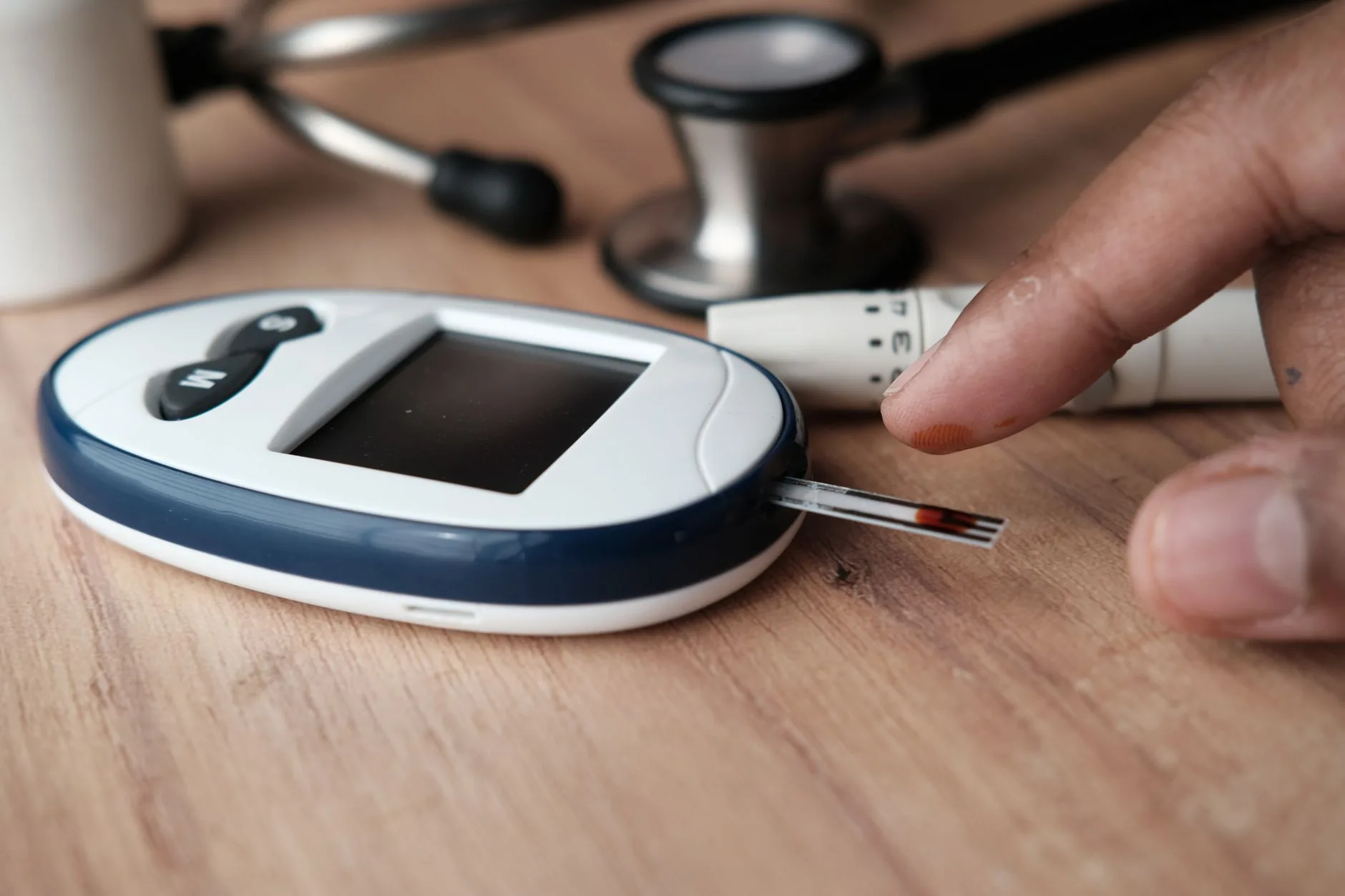
The key takeaway: Yes, type 2 diabetes can be put into remission, and the strongest evidence points to significant weight loss rather than any single miracle drug.
The landmark DiRECT trial showed that nearly half of participants who followed a structured low-calorie program achieved remission at one year, as published in The Lancet (2018). Remission rates were highest in those who lost 15 kg or more.
To learn how lifestyle changes translate into everyday practice, our guide on whether you can reverse type 2 diabetes naturally breaks down the practical steps. The goal is to reduce glucose spikes and restore insulin sensitivity.
What New Treatments Are Being Researched?

The key takeaway: The most promising new treatments include GLP-1 receptor agonists, metabolic surgery, and early-stage gut and immune-system research.
GLP-1 Receptor Agonists
Drugs like semaglutide and tirzepatide help control blood sugar and produce substantial weight loss, which indirectly supports remission. Research has also linked tirzepatide to a lower risk of diabetic eye disease, as summarized in our roundup of the latest medical updates on tirzepatide and diabetic eye disease.
Metabolic (Bariatric) Surgery
For people with obesity and type 2 diabetes, bariatric surgery can produce remission in a large share of patients, sometimes within days of surgery before major weight loss occurs. This rapid effect suggests gut hormones play a direct role in glucose control.
Gut Health and Insulin Sensitivity
A growing body of research examines the connection between gut health and insulin function. The gut microbiome influences inflammation, appetite hormones, and how the body processes sugar, which is why intestinal health and diabetes is an active area of study.
In our analysis of emerging discussions, some independent sources have explored theories connecting a gut parasite and diabetes as a hidden contributor to metabolic dysfunction. While mainstream medicine has not confirmed a parasitic cause, the broader interest in gut-driven mechanisms reflects real scientific momentum around the microbiome.
“Type 2 diabetes is best understood as a potentially reversible condition of too much fat in the liver and pancreas, rather than an inevitable life sentence.”
— Prof. Roy Taylor, Newcastle University, lead researcher of the DiRECT trial
How Do Natural Methods Fit Into New Treatment Approaches?
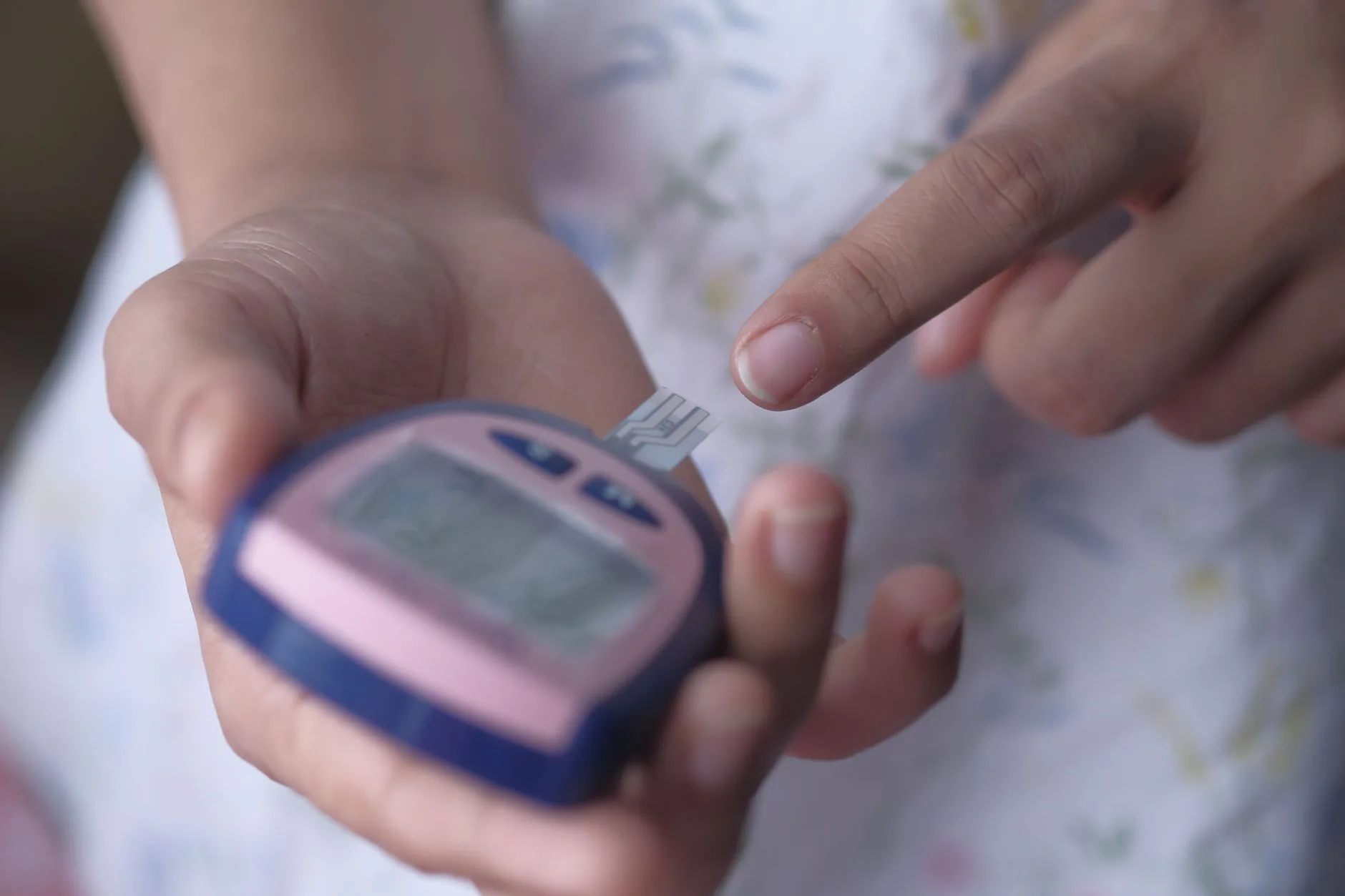
The key takeaway: Natural methods centered on diet, movement, and weight loss remain the foundation of any remission strategy and often complement newer medical treatments.
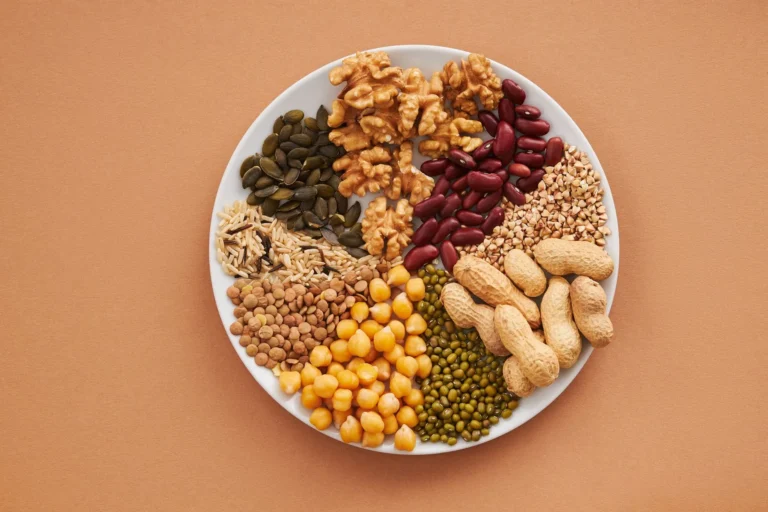
Diet quality has one of the largest effects on glucose control. Our detailed breakdown of the best foods for type 2 diabetes explains which choices help stabilize blood sugar throughout the day.
Physical activity also matters. A recent review found that resistance training is tied to lower type 2 diabetes risk because muscle tissue absorbs glucose more efficiently.
These natural methods for diabetes are not a replacement for medical care, but they are frequently the difference between managing the disease and reaching remission. They work by improving the body’s own blood sugar control rather than only masking symptoms.
What About Claims of a Complete Diabetes Cure?
The key takeaway: Be skeptical of any product or program promising a guaranteed, permanent, or instant cure, especially without published, peer-reviewed evidence.
We recommend evaluating three things before trusting any new treatment claim: whether it cites verifiable research, whether it discourages you from consulting a doctor, and whether it promises results that sound too absolute. Legitimate approaches acknowledge remission is possible but not guaranteed.
The Mayo Clinic’s overview of type 2 diabetes causes and symptoms (Mayo Clinic) remains a reliable reference point for separating evidence from marketing.
Health disclaimer: This article is for educational purposes only and does not replace professional medical advice. Never stop or change diabetes medication without consulting your physician. Individual results vary, and any “cure” or reversal claim should be discussed with a qualified healthcare provider.
Comparison: Cure vs. Remission vs. Management
The key takeaway: Understanding these three states clarifies what current and new treatments can realistically achieve.
| State | Definition | Achievable for Type 2? | Reversible? |
|---|---|---|---|
| Cure | Disease permanently gone | Not currently | N/A |
| Remission | Normal HbA1c, no medication for 3+ months | Yes, in many early cases | Yes, can return |
| Management | Controlled with medication/lifestyle | Yes, most patients | Ongoing |
A Unique Perspective: Why the “Root Cause” Conversation Is Growing
The key takeaway: Public interest is shifting from lifelong management toward identifying and addressing root causes, which is why remission-focused and gut-focused approaches are gaining attention.
We’ve found that readers increasingly want to understand why insulin resistance develops rather than only how to lower a number. This mindset shift is driving demand for content that explores the root cause of type 2 diabetes instead of symptom control alone.
Our editorial view is that the future of diabetes treatment likely combines proven weight-loss strategies, newer medications, and a deeper look at metabolic and gut health working together, rather than any single “magic” fix.
Frequently Asked Questions
Can type 2 diabetes be permanently cured?
Not permanently in the strict sense. Type 2 diabetes can enter remission, meaning normal blood sugar without medication, but the condition can return if weight is regained or healthy habits stop. Ongoing lifestyle maintenance is required to sustain remission.
What is the most effective new treatment for type 2 diabetes?
The strongest evidence supports significant weight loss, whether through structured low-calorie programs, GLP-1 medications, or metabolic surgery. These approaches improve insulin sensitivity and can lead to remission, especially when started early after diagnosis.
Can changing gut health reverse diabetes?
Gut health influences inflammation, appetite hormones, and glucose processing, so improving it may support better blood sugar control. However, no treatment based solely on the gut microbiome has been proven to reverse diabetes on its own. It is best viewed as one part of a broader plan.
Is diabetes remission the same as a cure?
No. Remission means the disease is inactive and blood sugar is normal without medication, but the underlying tendency remains. A cure would mean the disease could never return, which current science cannot deliver for type 2 diabetes.
How long does it take to reverse type 2 diabetes?
In studies like DiRECT, many participants reached remission within a few months of substantial weight loss. Individual timelines vary based on how long someone has had diabetes, their weight loss, and how consistently they maintain changes.
Conclusion
The key takeaway: Diabetes cannot yet be cured, but type 2 diabetes can often be reversed into remission through significant weight loss, newer medications, and attention to metabolic and gut health.
New treatments are expanding what is possible, and the most credible strategies combine proven lifestyle change with medical guidance. The word to watch is remission, not cure, and any claim that ignores that distinction deserves careful scrutiny.
For a broader look at prevention, our guide on stopping prediabetes before it becomes type 2 diabetes is a useful next step.
If this guide left you wanting to understand the deeper mechanisms behind blood sugar and insulin resistance, DiabetesLeak explores an emerging perspective linking intestinal health to type 2 diabetes, featuring an educational video with Dr. Robert Stevens and discussion of research involving 1,247 people. It’s a natural next step for readers who want to dig into the root-cause conversation this article introduced.