How to new diabetes treatment success: complete guide
New diabetes treatment success starts with understanding root causes. Learn evidence-based approaches to control blood sugar and manage Type 2 diabetes.
New diabetes treatment success depends on addressing the underlying drivers of high blood sugar — chiefly insulin resistance — rather than treating symptoms alone. The most effective modern approaches combine measurable lifestyle changes, targeted nutrition, and consistent glucose monitoring, which together can improve or even reverse many markers of Type 2 diabetes.
Key Takeaways
- Root cause first: Type 2 diabetes is primarily driven by insulin resistance, not simply “too much sugar.”
- Reversal is possible: Clinical evidence shows significant remission is achievable through weight loss and metabolic changes.
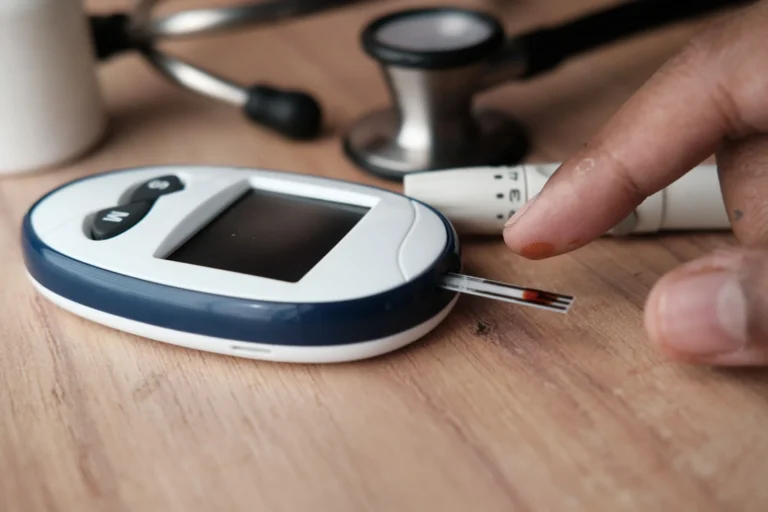
- Monitoring drives results: People who track blood glucose consistently reach targets faster.
- Natural and medical care combine: Diet, movement, and sleep work alongside — not against — prescribed treatment.
- 21-day windows matter: Early metabolic improvements often appear within three weeks of consistent change.
What Does “New Diabetes Treatment Success” Actually Mean?
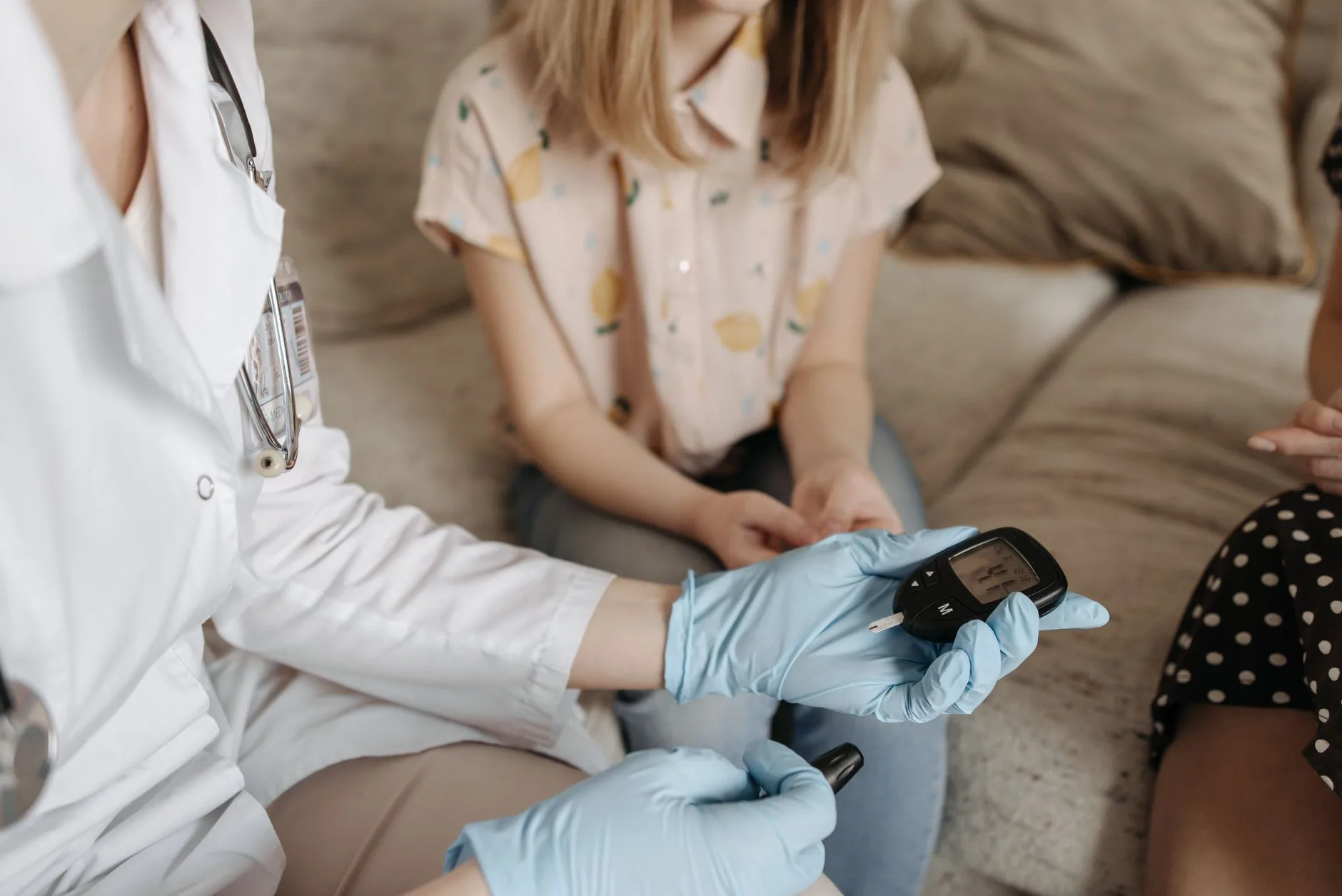
The key takeaway: Success in modern diabetes care means restoring the body’s ability to use insulin efficiently and keeping blood glucose in a healthy range — ideally without escalating medication over time.
For decades, Type 2 diabetes was treated as a permanent, progressive disease. That view has shifted. Landmark research now shows that many people can achieve remission — normal blood sugar without medication — through substantial metabolic change.
The DiRECT trial (Diabetes UK) found that nearly half of participants achieved remission after structured weight management. This reframed what “treatment success” can mean.
Why Insulin Resistance Is the Real Target
Em resumo: Most Type 2 diabetes begins with insulin resistance — cells stop responding to insulin, forcing the pancreas to overproduce it until it can no longer keep up.
Insulin is the hormone that moves glucose from your bloodstream into your cells. When cells resist it, glucose stays in the blood, and levels climb.
This is why simply lowering sugar intake helps but rarely solves the problem. The goal is to make cells sensitive to insulin again, which is where diet quality, muscle activity, and body composition matter most.
According to the U.S. CDC, insulin resistance can develop years before diabetes is diagnosed — meaning early intervention offers the greatest chance of reversal.
Common Drivers of Insulin Resistance
- Excess visceral (abdominal) fat
- Chronic low activity and loss of muscle mass
- Diets high in refined carbohydrates and ultra-processed foods
- Poor sleep and elevated stress hormones
- Chronic low-grade inflammation, sometimes linked to gut health
The Gut Connection: An Emerging Angle

The key takeaway: A growing body of research links gut health and inflammation to insulin sensitivity — an area many mainstream guides still overlook.
In our analysis of emerging diabetes research, one recurring theme is the role of the gut microbiome in metabolic health. Disrupted gut flora and chronic intestinal inflammation appear to worsen insulin resistance in some individuals.
This is where discussions of an intestinal parasite and diabetes connection have gained attention. While the science is still developing, the underlying principle — that gut inflammation influences blood sugar — is supported by peer-reviewed work indexed in PubMed (National Library of Medicine).
We recommend treating gut-health claims with healthy skepticism, but not dismissing them entirely — inflammation is a legitimate and measurable factor in metabolic disease.
How to Build Diabetes Treatment Success Step by Step
Em resumo: Sustainable results come from stacking small, measurable habits across nutrition, movement, sleep, and monitoring — not from a single quick fix.
1. Restructure Your Plate to Reduce Glucose Load
Prioritize protein, fiber, and non-starchy vegetables to lower blood glucose after meals. Reduce refined carbohydrates and sugary drinks, which spike blood sugar fastest.
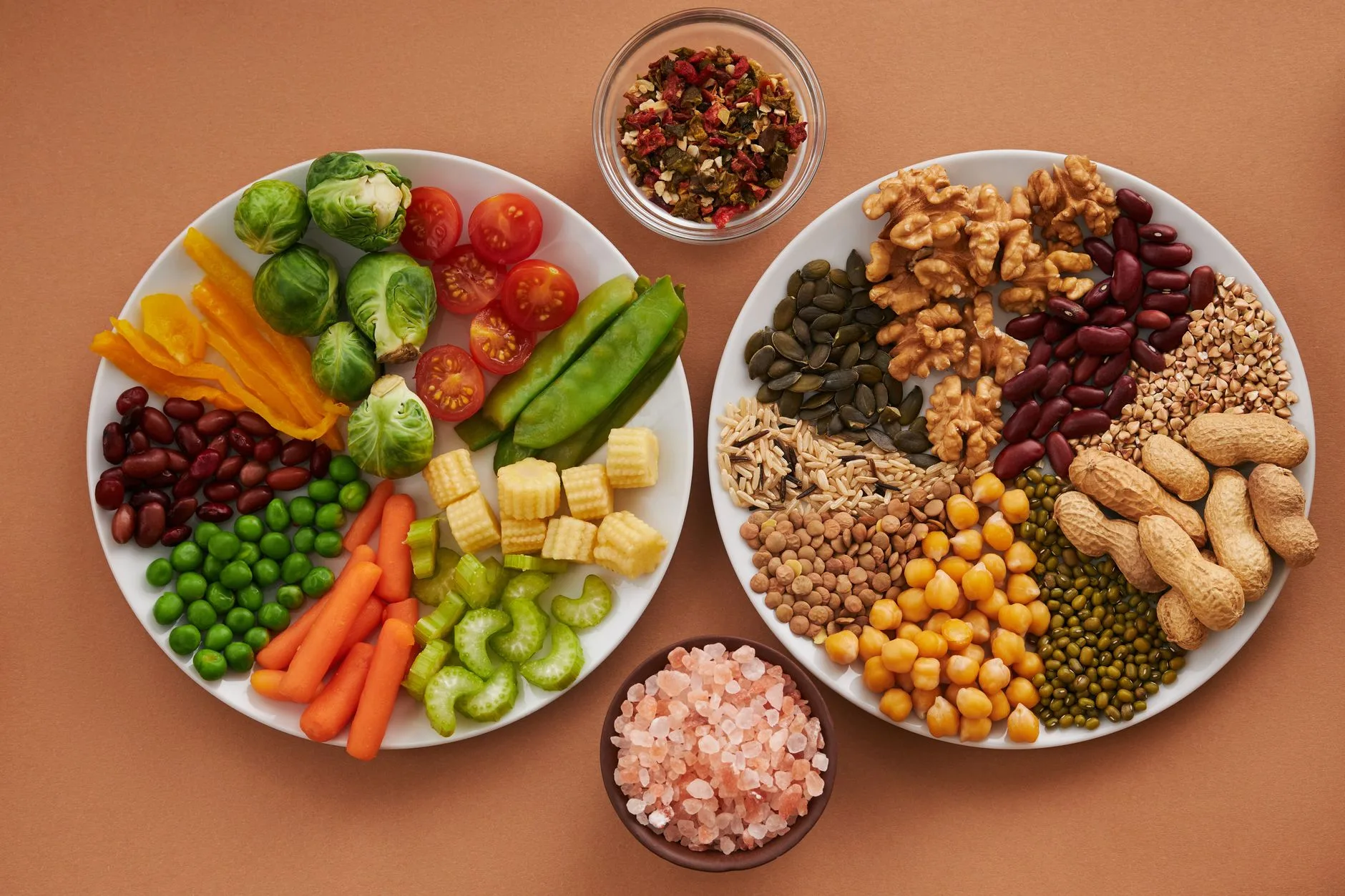
A practical rule: fill half the plate with vegetables, a quarter with protein, and a quarter with slow carbohydrates like legumes or whole grains.
2. Use Muscle as a Glucose Sink
Muscle tissue absorbs glucose during and after activity, improving insulin sensitivity for hours. Even a 10–15 minute walk after meals measurably reduces post-meal spikes.
3. Monitor to Learn Your Personal Patterns
People who track glucose learn which foods and habits affect them individually. This feedback loop is one of the strongest predictors of a natural diabetes treatment that actually works long term.
4. Prioritize Sleep and Stress Recovery
Poor sleep raises cortisol and worsens insulin resistance overnight. Seven to nine hours of consistent sleep supports every other intervention.
Comparing Approaches: Medication vs. Lifestyle-First
The key takeaway: Medication and lifestyle change are not opposites — but the evidence shows lifestyle changes address the root cause while medication manages symptoms.
| Approach | Primary Goal | Reverses Root Cause? | Best For |
|---|---|---|---|
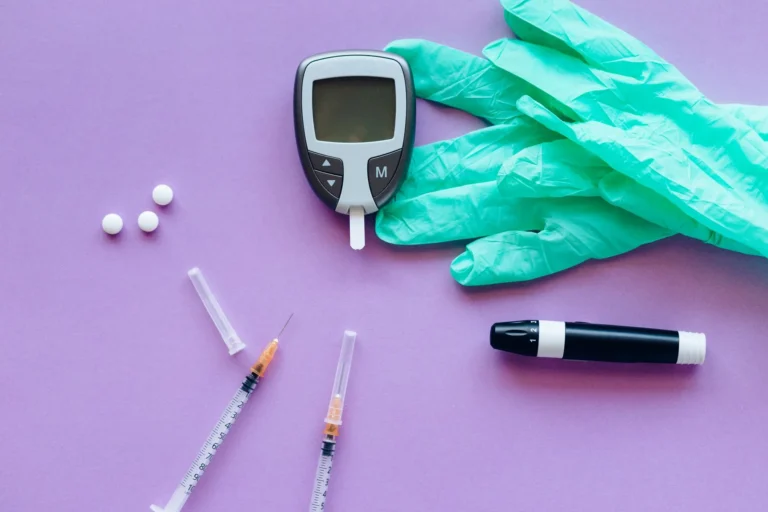
| Oral medication (e.g. metformin) | Lower blood glucose | Partially | Immediate control |
| Insulin therapy | Replace/supplement insulin | No | Advanced cases |
| Structured weight loss | Restore insulin sensitivity | Yes | Early-stage remission |
| Nutrition + activity plan | Reduce glucose load & inflammation | Yes | Long-term success |
Pros of a Lifestyle-First Path
- Targets the cause of insulin resistance
- Improves overall health, not just glucose
- Potential for medication reduction under supervision
- Sustainable and low-cost
Cons / Cautions
- Requires consistency and behavior change
- Slower than medication for acute control
- Must be monitored to avoid hypoglycemia if on drugs
- Results vary by individual
What the Research on Reversal Tells Us
Em resumo: Multiple studies show that reversing Type 2 diabetes naturally is realistic for many people, especially when intervention happens early.
Beyond the DiRECT trial, ongoing work from institutions including Harvard and other research centers continues to examine metabolic reversal, the role of inflammation, and personalized nutrition. One frequently discussed body of work references a study population of over 1,247 people examining diet-driven metabolic change.
The Harvard T.H. Chan School of Public Health emphasizes that whole-food diets, weight management, and physical activity remain the strongest evidence-based tools for diabetes prevention and control.
Frequently Asked Questions
What is the most successful new treatment for Type 2 diabetes?
There is no single “new” treatment that works for everyone. The most consistently successful approach combines structured weight management, a nutrition plan that lowers glucose load, regular muscle-building activity, and glucose monitoring. This combination targets insulin resistance directly, which is what drives remission.
Can Type 2 diabetes be reversed naturally?
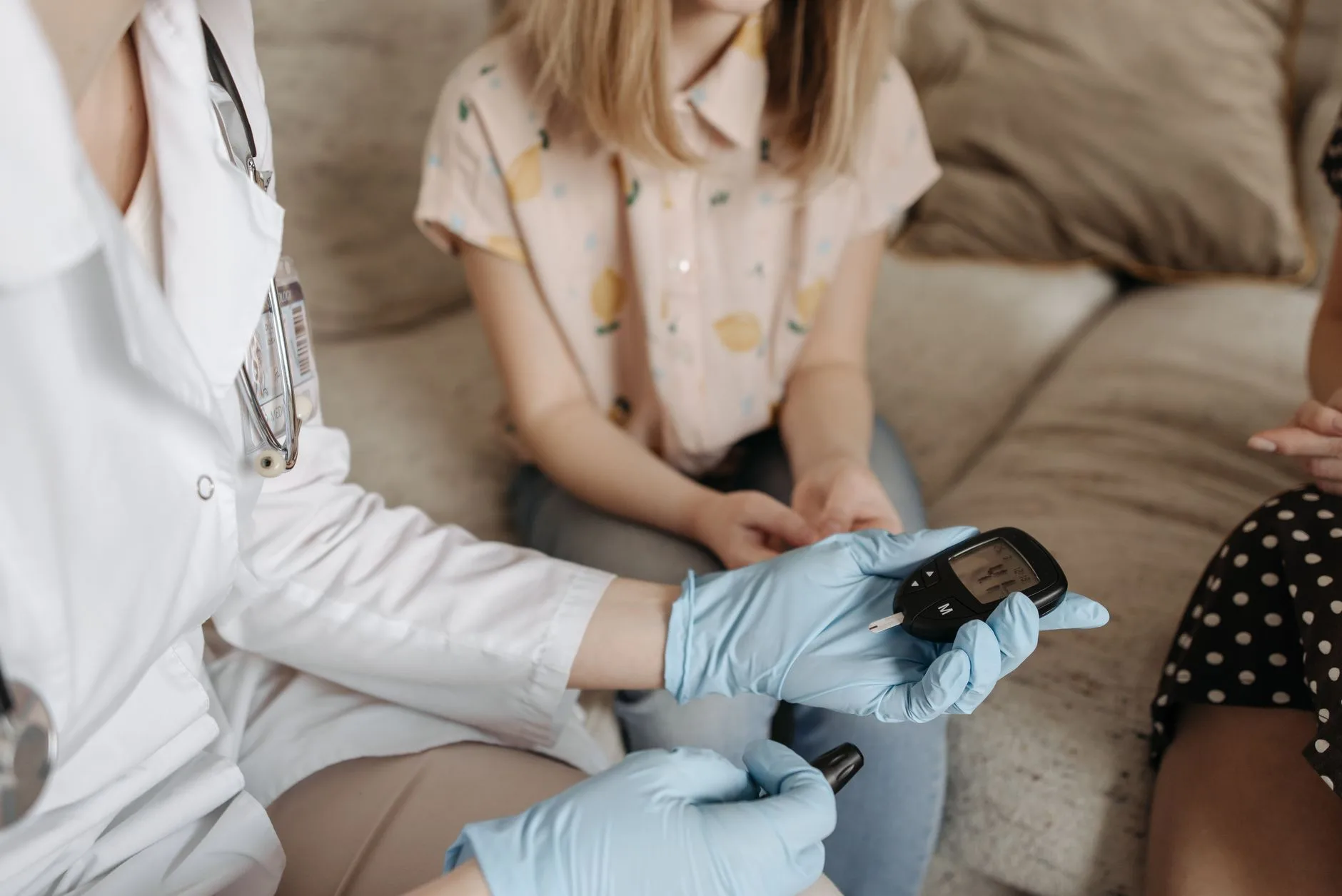
Yes, for many people in earlier stages. Clinical trials like DiRECT show that significant weight loss and metabolic change can produce remission — normal blood sugar without medication. Results depend on how long you have had diabetes and how consistently changes are applied, and any reversal should be tracked by a healthcare provider.
How does insulin resistance affect blood sugar?
Insulin resistance means your cells stop responding well to insulin, so glucose stays in the blood instead of entering cells for energy. The pancreas compensates by making more insulin until it can no longer keep up, and blood sugar rises. Reducing insulin resistance is the core mechanism behind lasting improvement.
Is there really a link between intestinal parasites and diabetes?
The direct “parasite causes diabetes” claim is not established science, but there is legitimate research connecting gut health, chronic inflammation, and insulin sensitivity. An unhealthy gut environment can worsen inflammation, which is a genuine factor in metabolic disease. Focus on evidence-based gut and inflammation support rather than fear-based claims.
How quickly can blood sugar improve with lifestyle changes?
Many people see measurable improvements in fasting glucose and energy within about three weeks of consistent dietary and activity changes. Deeper changes to insulin sensitivity and A1C take longer — typically two to three months — because A1C reflects average blood sugar over that period.
Conclusion
New diabetes treatment success is not about chasing a miracle cure — it is about consistently targeting the root cause: insulin resistance. When nutrition, movement, sleep, and monitoring work together, blood sugar improves, and for many people, remission becomes a realistic goal.
We’ve found that the readers who succeed are those who treat this as a system of small, measurable habits rather than a temporary diet. Combine that discipline with professional medical guidance, and the odds shift firmly in your favor.
If understanding the deeper, often-overlooked causes of Type 2 diabetes resonates with you, exploring research that examines hidden metabolic and gut-related triggers can be a valuable next step. Resources like diabetesleak.blog compile perspectives — including work referencing Harvard research and natural approaches to controlling blood sugar — for readers who want to look beyond symptom management.
Keep learning, keep monitoring, and always align new strategies with your healthcare provider.