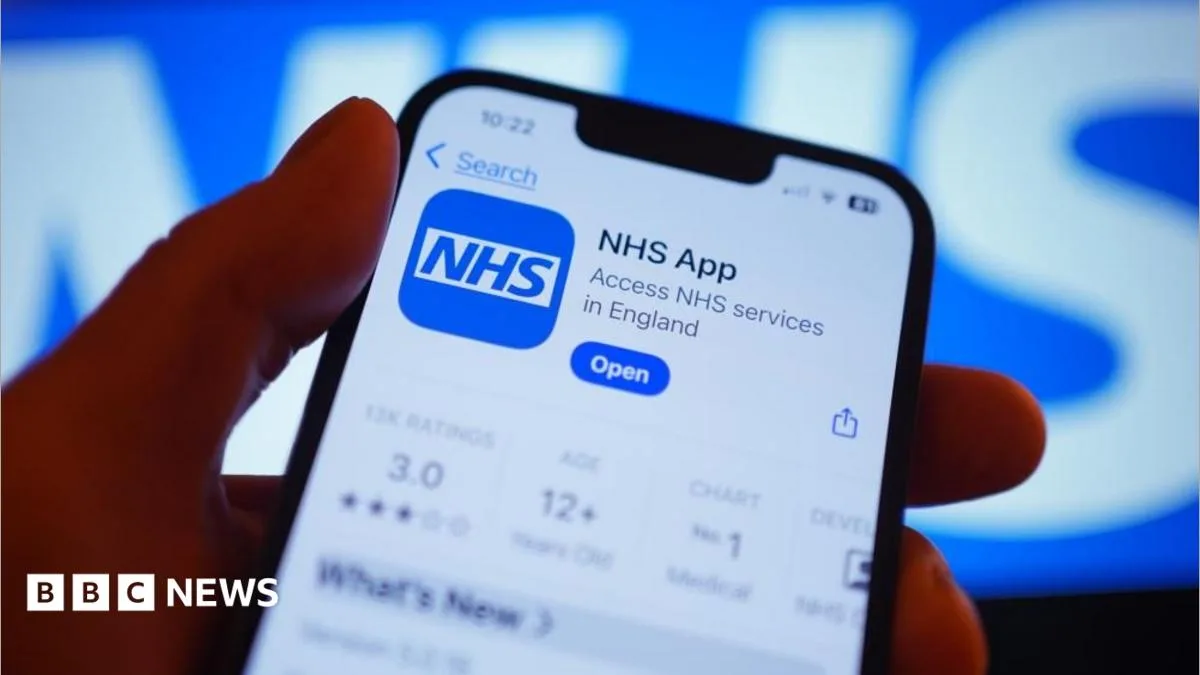
NHS app to use AI to determine which service best for patients
The NHS has announced the rollout of an artificial intelligence-powered triage tool on its mobile app designed to direct patients in England to the most appropriate healthcare service. The smart system will assess patient symptoms through targeted questions and route them to GP appointments, pharmacy services, emergency departments, community care, or self-care guidance—with over 200,000 patients gaining access within the next 12 months and all app users by April 2028.
What Is the NHS AI Triage Tool?
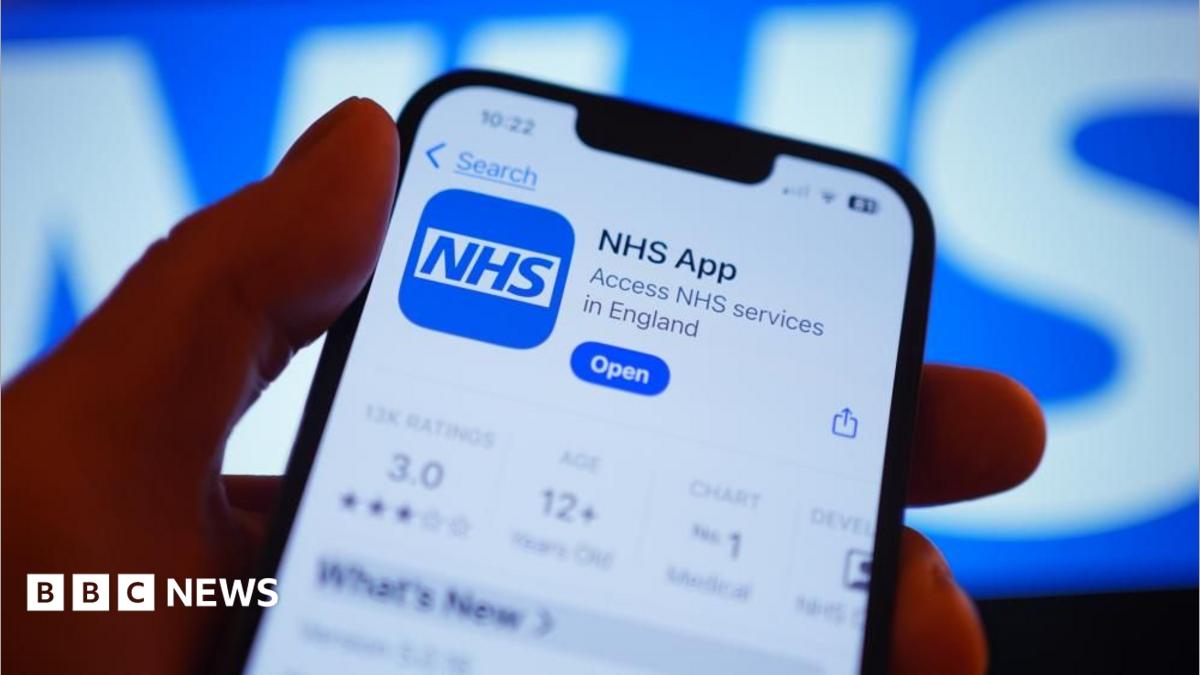
The NHS’s new triage tool represents a significant step forward in healthcare digital transformation. Rather than patients having to wait on phone lines during peak hours—typically 08:00 when GP surgeries open their lines—the AI system allows individuals to input their symptoms and health concerns directly through the NHS app. The algorithm then evaluates responses and provides intelligent routing to the most clinically appropriate service.
According to NHS England, the tool serves multiple functions: it can provide medical advice, suggest which healthcare service is best suited to the patient’s needs, and even book appointments directly. The system is designed not to replace clinical judgment but to enhance the efficiency of triage processes and free up clinical staff to focus on patient interactions rather than administrative routing.
How the AI System Works in Practice
During an initial trial at Wealden Ridge Medical Partnership in Sussex, the impact of the technology became evident. The practice reported a 29% reduction in the number of patients queuing on the phone for appointments—a meaningful improvement that demonstrates the system’s capacity to alleviate congestion during peak service hours. Dr Ragu Rajan, who works at the practice, explained the clinical perspective: “Integrating the tool means our patients can tell us what they need, when they need it, and be directed to the right care first time. It hasn’t replaced our judgement—it’s given us back the time to use it.”
Rollout Timeline and Scale
NHS England has committed to a staged implementation approach. Beginning immediately, over 200,000 patients across England will gain access to the AI triage tool within the next 12 months. This initial phase will provide critical real-world data on system performance, user acceptance, and clinical outcomes. The full national rollout is scheduled for April 2028, at which point all NHS app users in England will have access to the technology.
This rollout is part of a broader, £10 billion government investment—allocated in 2025—aimed at overhauling the NHS’s technology infrastructure, digital systems, and data capabilities. Sir Jim Mackey, chief executive of NHS England, highlighted the strategic importance: “The tool will help get patients to the best service for their needs first time, so that clinicians can make sure those most in need of a GP appointment can get one sooner.”
Phased Implementation Across NHS Trusts
Beyond the triage tool, the NHS is expanding deployment of complementary AI technologies. An England-wide rollout of AI conversation recording and transcription tools is underway, beginning at four NHS trusts in and around London: St George’s, Epsom and St Helier, Croydon, and Kingston and Richmond. Alder Hey Children’s NHS Foundation Trust in Liverpool and Manchester University NHS Foundation Trust are also expanding their existing AI notetaking programmes. These tools generate real-time clinical summaries and transcriptions of patient-clinician conversations, reducing administrative burden on healthcare professionals.
Early Trial Results and Clinical Impact
Research supporting the expansion of AI notetaking technology has shown compelling results. A trial led by Great Ormond Street Hospital for Children and conducted across nine NHS sites in London demonstrated that NHS staff spent almost 25% more of their time directly interacting with patients when using the notetaking technology. This metric is crucial—it suggests that automating documentation frees clinicians to focus on patient care quality and communication, ultimately enhancing the clinical experience.
These results align with the broader objectives of the triage tool initiative: to use artificial intelligence not to reduce human interaction but to enhance it by removing administrative friction. When systems handle routing, documentation, and scheduling logistics, healthcare professionals can dedicate their time to clinical assessment, patient education, and therapeutic relationships.
Government and NHS Leadership on AI Safety and Ethics
Health Secretary James Murray has been vocal about the government’s commitment to responsible AI deployment. Speaking on the BBC’s Sunday with Laura Kuenssberg programme, Murray clarified an important misconception: the rollout does not mean AI will ultimately decide whether patients see a doctor. Instead, the investment represents a modernization strategy aimed at distributing NHS benefits “around the country” and ensuring equitable access to improved triage and reduced waiting times.
The announcement has garnered largely positive responses from health bodies, though some organizations have urged the NHS to prioritize patient safety, data confidentiality, and inclusion as the health service expands its reliance on artificial intelligence. This feedback underscores the importance of robust governance frameworks as AI systems become more central to NHS operations.
Addressing Stakeholder Concerns
The NHS’s approach reflects acknowledgment of legitimate concerns around AI deployment in healthcare. Any system that influences clinical decision-making must maintain transparency, ensure data protection compliance, and preserve human clinical oversight. The emphasis from leadership that AI augments rather than replaces clinical judgment is reassuring to clinicians and patients alike.
Implications for Patient Access and Equity
The triage tool carries significant implications for healthcare access equity. By reducing phone queue congestion and enabling 24/7 digital triage, the system potentially levels the playing field for patients who face barriers to calling during business hours—including those with work commitments, mobility limitations, or anxiety around telephone communication. Digital-first triage also creates an audit trail and structured documentation of patient needs, which can improve care continuity.
For patients with chronic conditions requiring regular management—such as those managing Type 2 diabetes—having a robust, AI-assisted triage system could mean faster routing to appropriate specialist services or pharmacy support. The system’s ability to recognize patterns in symptom presentation and direct patients to community services or self-care resources aligns well with modern chronic disease management approaches that emphasize early intervention and appropriate resource allocation.
Looking Ahead: The Future of NHS Digital Innovation
The NHS’s investment in AI-powered triage and clinical documentation represents a watershed moment in health service digital transformation. By 2028, when the system reaches all app users, the NHS will have accumulated extensive data on how artificial intelligence can optimize patient journeys and reduce clinical administrative burden. This experience will likely inform the next generation of health tech initiatives, potentially extending AI-assisted triage to other care pathways.
The parallel rollout of conversation-recording AI tools also signals the NHS’s intent to embed artificial intelligence across the patient-clinician encounter—from initial triage through clinical note-taking. If executed with appropriate safeguards, this integrated approach could reduce waiting times, improve clinical documentation quality, and allow healthcare professionals to focus more on patient interaction quality rather than post-visit administrative tasks.
💡 What This Means
For individuals managing Type 2 diabetes and other chronic conditions, the NHS AI triage tool promises faster, more accurate routing to appropriate care services—whether that’s specialist diabetes clinics, community nursing support, pharmacy medication reviews, or self-management resources. The 24/7 availability of digital triage could be particularly valuable for diabetic patients who need prompt guidance on glucose management issues or medication concerns outside standard surgery hours. As the system rolls out to all NHS app users by 2028, patients with diabetes should expect reduced phone queue wait times and more structured pathways to the specific services most relevant to their individual health needs.
Sources
For people managing Type 2 diabetes, this NHS AI triage tool represents a meaningful advance in healthcare access—enabling faster routing to specialized diabetes services, community care, or pharmacy support without navigating lengthy phone queues. As the system expands across England through 2028, patients with diabetes should understand how to use the AI triage feature in the NHS app to describe their symptoms and health needs accurately, ensuring they’re directed to the most appropriate resource for their specific concerns. Learn more about optimizing your diabetes care with NHS digital tools