Type 2 Diabetes Symptoms: Early Warning Signs Most People Miss

Type 2 diabetes symptoms often go unnoticed for years. Learn the early warning signs most people miss and when to see a doctor.
Type 2 diabetes symptoms frequently develop so gradually that many people live with the condition for years before diagnosis. The most commonly missed early warning signs include increased thirst, frequent urination, unexplained fatigue, blurred vision, and slow-healing cuts. Recognizing these signals early can prevent serious complications and open the door to reversing insulin resistance before it worsens.
Key Takeaways
- Early type 2 diabetes symptoms are often subtle: excessive thirst, frequent urination, fatigue, and blurred vision.
- Roughly 1 in 5 adults with diabetes are undiagnosed, according to the CDC National Diabetes Statistics Report.
- Skin changes like dark patches (acanthosis nigricans) and recurring infections are overlooked warning signs.
- Blood sugar imbalance and insulin resistance can begin a decade before symptoms appear.
- Early detection allows lifestyle changes that help control blood sugar and may reverse the condition.
What Is Type 2 Diabetes?
The key takeaway: Type 2 diabetes is a chronic metabolic condition in which the body becomes resistant to insulin or stops producing enough of it, causing blood glucose to rise above healthy levels.
Insulin is the hormone that moves sugar from the bloodstream into your cells for energy. When cells resist insulin’s signal, glucose builds up in the blood — a state called insulin resistance.
Unlike type 1 diabetes, which is autoimmune, type 2 develops over years and is closely tied to genetics, weight, diet, and activity levels. According to the World Health Organization, over 95% of people with diabetes have the type 2 form.
The Early Warning Signs Most People Miss

Em resumo: The earliest type 2 diabetes symptoms are easy to dismiss as stress, aging, or dehydration — which is exactly why so many cases go undetected for years.
1. Increased Thirst and Frequent Urination
When blood sugar is high, your kidneys work harder to filter and absorb the excess glucose. The overflow pulls water from your tissues, leaving you dehydrated and thirsty.
This creates a cycle: you drink more, you urinate more — especially at night. Waking repeatedly to use the bathroom is one of the most overlooked early signs.
2. Unexplained Fatigue
If glucose can’t enter your cells, your body is starved of energy despite normal or high food intake. This produces a deep, persistent tiredness that rest doesn’t fix.
Many people attribute this fatigue to a busy schedule, when it may actually reflect rising blood sugar and early insulin resistance.
3. Blurred Vision
High blood sugar causes fluid to shift in the lenses of your eyes, changing their shape and blurring focus. This symptom often fluctuates day to day.
Left unchecked, chronic high glucose can damage the retina, so sudden vision changes warrant a check with your doctor.
4. Slow-Healing Cuts and Frequent Infections
Elevated glucose impairs circulation and weakens the immune response, so minor cuts, gum problems, or yeast infections heal slowly or keep returning.
Recurring urinary tract or skin infections are a red flag that blood sugar may be out of range.
5. Dark Skin Patches (Acanthosis Nigricans)
Velvety, darkened patches of skin — usually on the neck, armpits, or groin — are a direct visual marker of insulin resistance. This sign is frequently mistaken for poor hygiene or a rash.
The National Institute of Diabetes and Digestive and Kidney Diseases notes these skin changes often appear before a formal diagnosis.
6. Tingling or Numbness in Hands and Feet
Excess glucose gradually damages small nerves, producing a pins-and-needles sensation or numbness known as peripheral neuropathy.
Because it starts subtly, many people don’t connect this symptom to blood sugar until nerve damage is advanced.
Why These Symptoms Go Unnoticed
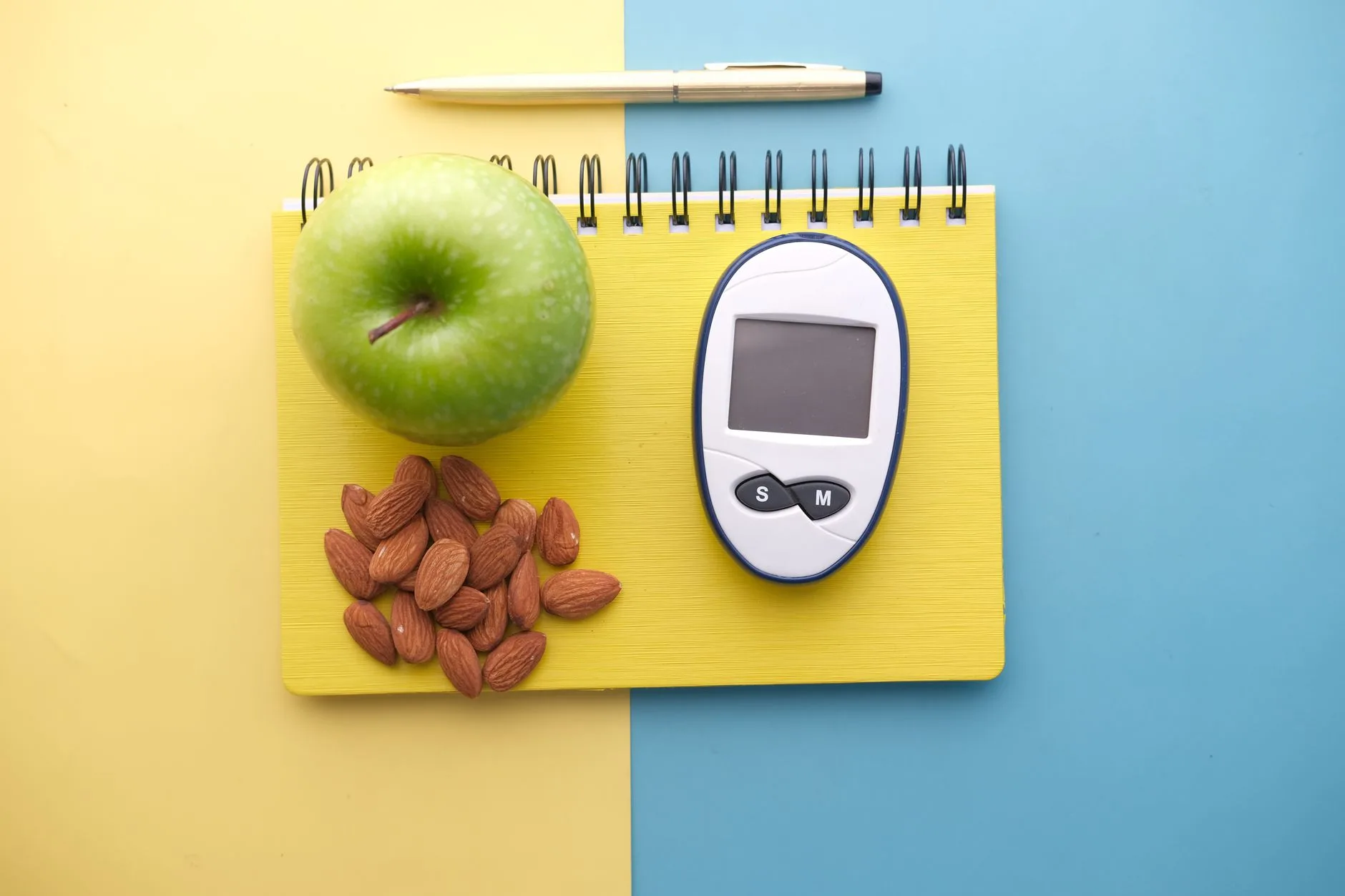
The key takeaway: Type 2 diabetes progresses silently because the body compensates for years, masking symptoms until glucose is significantly elevated.
In our review of common patient timelines, the pattern is consistent: symptoms are individually minor and easily rationalized. Thirst is blamed on weather, fatigue on work, and blurred vision on screen time.
We’ve found that people rarely connect these scattered signals into a single picture until a routine blood test flags high glucose. This is why we recommend annual fasting glucose or A1C screening for anyone with risk factors — even without obvious symptoms.
| Symptom | Commonly Blamed On | Actual Cause |
|---|---|---|
| Excessive thirst | Hot weather, salty food | Kidneys flushing excess glucose |
| Fatigue | Stress, poor sleep | Cells starved of glucose energy |
| Blurred vision | Screen strain, aging | Fluid shifts in the eye lens |
| Slow healing | Getting older | Impaired circulation and immunity |
| Dark skin patches | Hygiene, tanning | Insulin resistance marker |
Risk Factors That Raise Your Chances
Em resumo: Some people are far more likely to develop type 2 diabetes, and knowing your risk profile helps you interpret early symptoms correctly.
- Age 45 or older — risk climbs with age.
- Excess weight, especially around the abdomen.
- Family history of type 2 diabetes.
- Physical inactivity and a sedentary routine.
- High blood pressure or abnormal cholesterol.
- History of gestational diabetes or polycystic ovary syndrome.
- Prediabetes — a blood sugar level higher than normal but below the diabetes threshold.
According to the American Diabetes Association, more than 1 in 3 American adults have prediabetes, and most do not know it.
An Emerging Angle: Gut Health and Blood Sugar
The key takeaway: A growing area of research explores how gut health, chronic inflammation, and microbiome imbalances may influence insulin resistance and blood sugar regulation.
Traditional guidance focuses almost entirely on diet, weight, and exercise. Yet emerging investigations suggest that low-grade intestinal inflammation and disrupted gut flora can worsen how the body handles glucose.
Some independent researchers — including figures such as Dr. Robert Stevens, who reference work connected to Harvard-linked metabolic studies — have proposed that hidden intestinal factors, including a possible role for an intestinal parasite, may contribute to stubborn blood sugar problems in certain individuals. These ideas remain under study and are not yet mainstream clinical consensus, but they highlight why controlling blood sugar naturally increasingly looks beyond diet alone.
When to See a Doctor
Em resumo: Seek medical evaluation if you experience two or more of the warning signs above, or if you have risk factors even without symptoms.
Diagnosis is simple and involves a blood test. The CDC diabetes prevention resources recommend screening for adults with risk factors starting at age 35.
Seek prompt care if you notice extreme thirst combined with rapid weight loss, confusion, or unusually deep fatigue — these can signal dangerously high blood sugar.
How Early Detection Helps You Take Control
The key takeaway: Catching type 2 diabetes early gives you the best chance to reduce blood glucose and, in many cases, reverse the condition through lifestyle change.
Research shows that structured weight loss, increased physical activity, and dietary changes can return blood sugar to normal ranges for many people in the early stages.
We recommend treating the early warning signs as an opportunity, not a sentence. Addressing insulin resistance before it hardens into full disease is far more effective than managing complications later.
Frequently Asked Questions
What are the first signs of type 2 diabetes?
The first signs of type 2 diabetes are usually increased thirst, frequent urination (especially at night), unexplained fatigue, and blurred vision. These symptoms develop gradually and are often mistaken for stress or aging, which is why the condition can remain undiagnosed for years.
Can type 2 diabetes be reversed naturally?
In many early cases, type 2 diabetes can be put into remission through weight loss, regular exercise, and dietary changes that improve insulin sensitivity. While there is no guaranteed cure, numerous studies confirm that some people restore normal blood sugar without medication under medical supervision. Always work with a healthcare provider before changing your treatment.
How long can you have type 2 diabetes without knowing?
You can have type 2 diabetes for up to a decade without knowing, because early symptoms are subtle and the body compensates for rising glucose. This silent progression is why routine screening after age 35, or earlier with risk factors, is strongly advised.
Does a gut parasite cause type 2 diabetes?
Mainstream medicine attributes type 2 diabetes to insulin resistance driven by genetics, weight, and lifestyle. Some emerging research explores whether gut inflammation or an intestinal parasite could influence blood sugar in certain people, but this is not yet established clinical fact. Consult a doctor for evidence-based diagnosis and treatment.
What blood sugar level indicates type 2 diabetes?
A fasting blood glucose of 126 mg/dL or higher, or an A1C of 6.5% or higher on two separate tests, indicates diabetes. Levels between 100–125 mg/dL fasting, or an A1C of 5.7–6.4%, indicate prediabetes — a warning window to act.
Conclusion
Type 2 diabetes symptoms rarely announce themselves loudly. They arrive as scattered inconveniences — thirst, tiredness, blurry vision, a cut that won’t heal — that are easy to explain away.
The advantage belongs to those who recognize the pattern early. Understanding these warning signs, knowing your risk factors, and getting a simple blood test can change the trajectory of your health.
Early action, combined with the right approach to diet, movement, and metabolic health, offers a genuine path to control blood sugar and protect your long-term wellbeing.
If these early warning signs sound familiar, understanding the root drivers of insulin resistance is a smart next step. The team at diabetesleak.blog examines research — including Harvard-linked studies and the work of independent investigators like Dr. Robert Stevens — exploring hidden factors behind stubborn blood sugar and natural strategies to support metabolic health.
Use it as an educational resource to deepen your understanding before your next conversation with a healthcare provider.