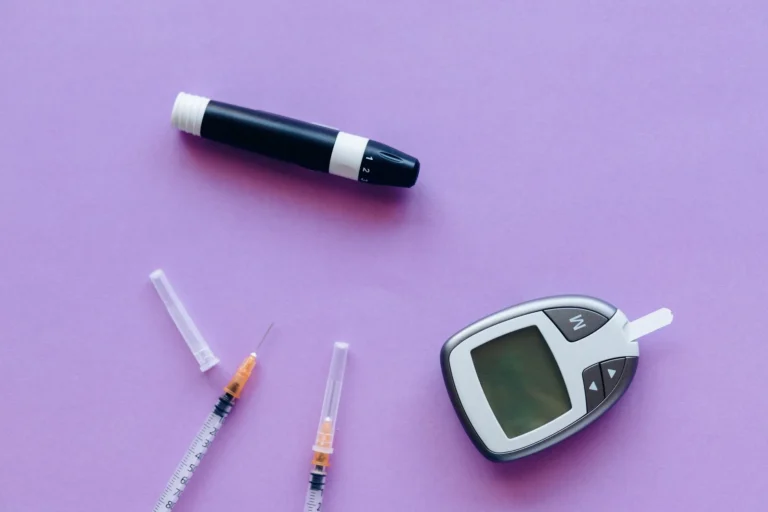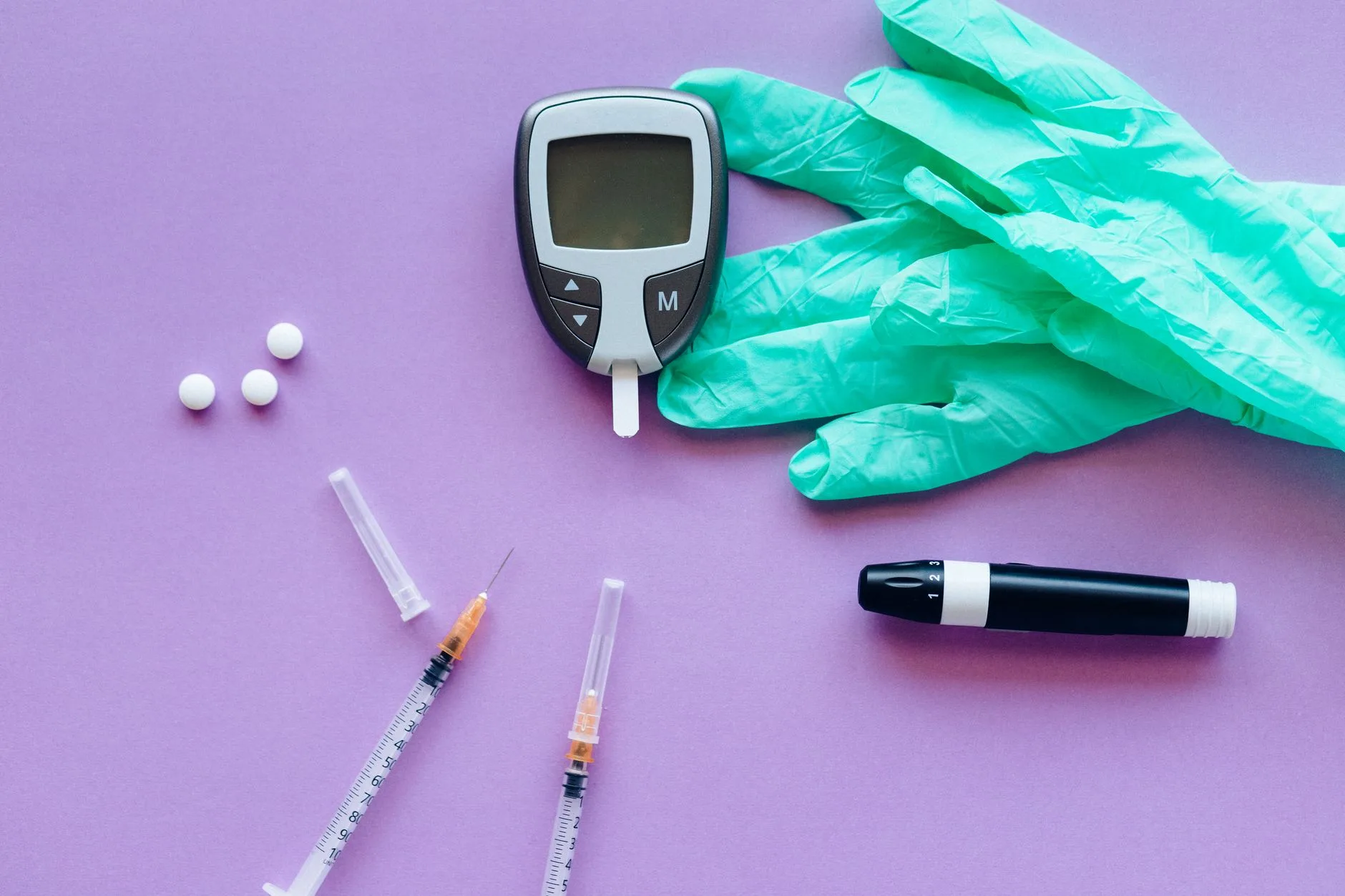
What are the FDA approved diabetes treatment medications?
{
“@context”: “https://schema.org”,
“@graph”: [
{
“@type”: “Organization”,
“@id”: “https://diabetesleak.blog/#organization”,
“name”: “DiabetesLeak Editorial Team”,
“url”: “https://diabetesleak.blog”,
“logo”: {
“@type”: “ImageObject”,
“url”: “https://pub-57dcb4eaee354623a289e138cc1aaf58.r2.dev/authors/cmqykqazw000ddx01hhrz1tly-a752175c-69be-45ff-8b0b-d9f7c4b99dc6.webp”
}
},
{
“@type”: “WebPage”,
“@id”: “https://diabetesleak.blog/what-are-the-fda-approved-diabetes-treatment-medications.html#webpage”,
“url”: “https://diabetesleak.blog/what-are-the-fda-approved-diabetes-treatment-medications.html”,
“name”: “Diabetes Treatment FDA Approved Medications 2026”,
“description”: “Diabetes treatment FDA approved medications explained: full list of drug classes, how each works, and what to know before starting. Complete 2026 guide.”,
“inLanguage”: “en”,
“datePublished”: “2026-07-13T15:56:49.915Z”,
“dateModified”: “2026-07-13T15:56:49.915Z”
},
{
“@type”: “BreadcrumbList”,
“@id”: “https://diabetesleak.blog/what-are-the-fda-approved-diabetes-treatment-medications.html#breadcrumb”,
“itemListElement”: [
{
“@type”: “ListItem”,
“position”: 1,
“item”: {
“@id”: “https://diabetesleak.blog”,
“name”: “diabetesleak.blog”
}
},
{
“@type”: “ListItem”,
“position”: 2,
“item”: {
“@id”: “https://diabetesleak.blog/blog”,
“name”: “Blog”
}
},
{
“@type”: “ListItem”,
“position”: 3,
“item”: {
“@id”: “https://diabetesleak.blog/what-are-the-fda-approved-diabetes-treatment-medications.html”,
“name”: “Diabetes Treatment FDA Approved Medications 2026”
}
}
]
},
{
“@type”: “Article”,
“headline”: “What Are the FDA Approved Diabetes Treatment Medications?”,
“description”: “A complete 2026 guide to FDA approved diabetes treatment medications, covering every major drug class, how each works, and what to know before starting.”,
“author”: {
“@type”: “Organization”,
“name”: “DiabetesLeak”
},
“publisher”: {
“@type”: “Organization”,
“name”: “DiabetesLeak”,
“url”: “https://diabetesleak.blog”
},
“mainEntityOfPage”: {
“@type”: “WebPage”,
“@id”: “https://diabetesleak.blog/what-are-the-fda-approved-diabetes-treatment-medications.html#webpage”
},
“about”: [
“Type 2 diabetes”,
“FDA approved medications”,
“Blood sugar control”
],
“datePublished”: “2026-07-13T15:56:49.915Z”,
“dateModified”: “2026-07-13T15:56:49.915Z”,
“image”: {
“@type”: “ImageObject”,
“url”: “https://pub-57dcb4eaee354623a289e138cc1aaf58.r2.dev/articles/cmrjelqzc00j0f2017dwm21cn-0.webp”,
“contentUrl”: “https://pub-57dcb4eaee354623a289e138cc1aaf58.r2.dev/articles/cmrjelqzc00j0f2017dwm21cn-0.webp”
}
},
{
“@type”: “FAQPage”,
“mainEntity”: [
{
“@type”: “Question”,
“name”: “What is the first medication doctors prescribe for type 2 diabetes?”,
“acceptedAnswer”: {
“@type”: “Answer”,
“text”: “Metformin is the standard first-line medication for most people with type 2 diabetes. It lowers glucose production in the liver, improves insulin sensitivity, and has a long track record of safety and affordability.”
}
},
{
“@type”: “Question”,
“name”: “Are GLP-1 drugs like Ozempic FDA approved for diabetes?”,
“acceptedAnswer”: {
“@type”: “Answer”,
“text”: “Yes. Semaglutide is FDA approved under the brand Ozempic for type 2 diabetes and under Wegovy for chronic weight management. Both are injectable, though an oral form (Rybelsus) is also approved for diabetes.”
}
},
{
“@type”: “Question”,
“name”: “Can FDA approved medications reverse type 2 diabetes?”,
“acceptedAnswer”: {
“@type”: “Answer”,
“text”: “No medication is FDA approved to cure or fully reverse diabetes; they manage blood glucose. However, some people achieve remission through sustained lifestyle change.”
}
},
{
“@type”: “Question”,
“name”: “How can I check if a diabetes drug is truly FDA approved?”,
“acceptedAnswer”: {
“@type”: “Answer”,
“text”: “Search the official Drugs@FDA database on the FDA website using the drug’s brand or generic name. It lists the approval date, indication, and labeling for every legitimately approved medication.”
}
},
{
“@type”: “Question”,
“name”: “Are there natural alternatives to diabetes medications?”,
“acceptedAnswer”: {
“@type”: “Answer”,
“text”: “Diet, exercise, and gut-health strategies are widely studied as complements to treatment, not replacements. Any natural approach should be discussed with your physician and never used to stop prescribed therapy without supervision.”
}
}
]
}
]
}
Diabetes treatment FDA approved medications explained: full list of drug classes, how each works, and what to know before starting. Complete 2026 guide.
The diabetes treatment FDA approved medications fall into several distinct drug classes, each targeting blood sugar through a different mechanism — from metformin (the standard first-line therapy) to modern GLP-1 receptor agonists like semaglutide and SGLT2 inhibitors. The right medication depends on your type of diabetes, kidney function, cardiovascular risk, and individual response, all guided by a licensed physician.
Key Takeaways
- The FDA has approved more than a dozen classes of diabetes medications, including metformin, sulfonylureas, DPP-4 inhibitors, SGLT2 inhibitors, and GLP-1 receptor agonists.
- Metformin remains the first-line oral treatment for most people with type 2 diabetes.
- Newer agents such as semaglutide (Ozempic, Wegovy) and tirzepatide (Mounjaro, Zepbound) offer both glucose control and weight benefits.
- No medication “cures” diabetes — they manage it. Lifestyle, diet, and gut health are increasingly discussed as complementary factors.
- Always confirm any drug’s status on the official FDA Drugs@FDA database before use.
What Does “FDA Approved” Actually Mean for Diabetes Drugs?
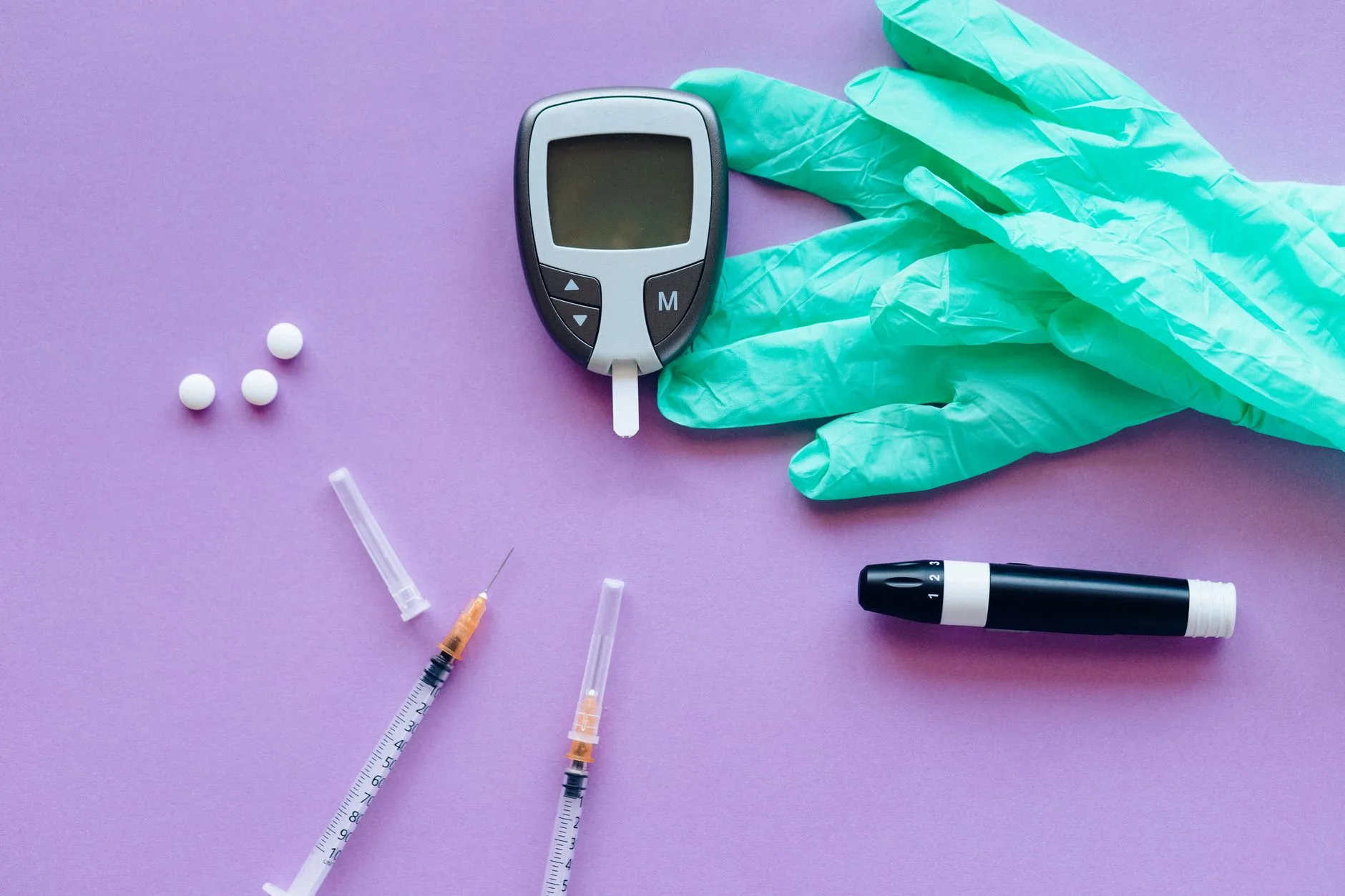
The key takeaway: An FDA-approved diabetes medication has passed rigorous clinical trials proving it is both safe and effective for lowering blood glucose under defined conditions.
The U.S. Food and Drug Administration reviews years of trial data before granting approval. Each drug receives specific labeling that defines who can take it, at what dose, and for which type of diabetes.
Approval is not permanent proof of safety for everyone — labels carry warnings, and the FDA continues post-market surveillance. According to the CDC National Diabetes Statistics Report, over 38 million Americans have diabetes, making these approvals a matter of large-scale public health.
The Main Classes of FDA Approved Diabetes Medications
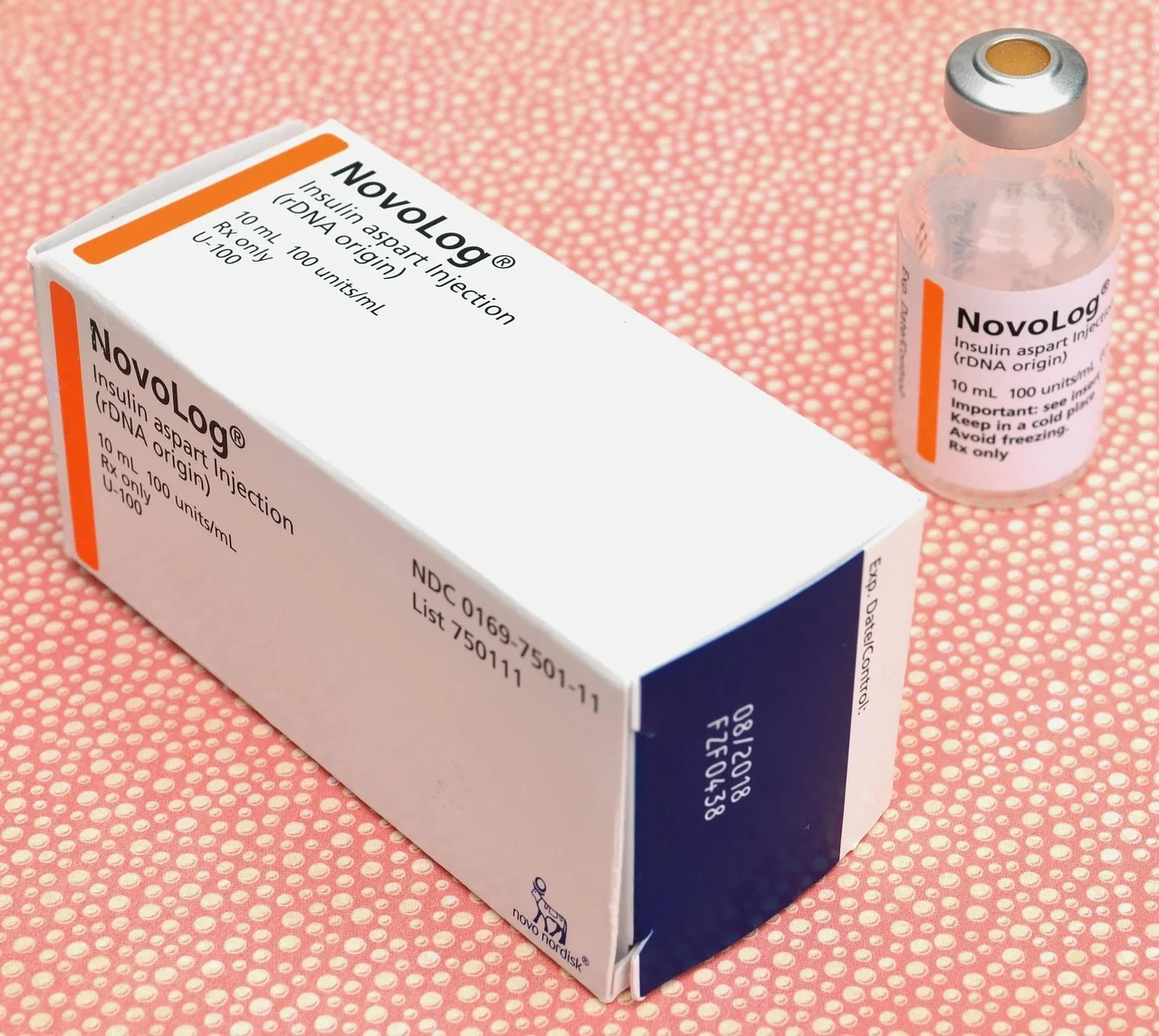
The key takeaway: Diabetes drugs are grouped by how they work — some increase insulin, others reduce sugar absorption or help the kidneys expel glucose.
Understanding these classes helps you have a more informed conversation with your care team about blood sugar control. Below is a breakdown of the major oral and injectable categories.
1. Biguanides (Metformin)
Metformin reduces the amount of glucose your liver produces and improves insulin sensitivity. It is the most prescribed diabetes drug worldwide and the recommended starting point for most type 2 patients.
2. Sulfonylureas
Drugs like glipizide and glimepiride stimulate the pancreas to release more insulin. They are inexpensive but carry a higher risk of low blood sugar (hypoglycemia).
3. DPP-4 Inhibitors
Sitagliptin (Januvia) and linagliptin (Tradjenta) increase insulin release after meals and lower glucagon. They are generally weight-neutral with a low hypoglycemia risk.
4. SGLT2 Inhibitors
Empagliflozin (Jardiance) and dapagliflozin (Farxiga) cause the kidneys to remove excess glucose through urine. They also show benefits for heart and kidney protection.
5. GLP-1 Receptor Agonists
Semaglutide (Ozempic, Rybelsus) and dulaglutide (Trulicity) slow digestion, curb appetite, and stimulate insulin. Many patients experience meaningful weight loss alongside reduced glucose spikes.
6. Dual GIP/GLP-1 Agonists
Tirzepatide (Mounjaro) is the first FDA-approved drug hitting two gut-hormone receptors at once. Research summarized in a New England Journal of Medicine trial reported strong reductions in A1C and body weight.
7. Insulin
For type 1 diabetes and advanced type 2, insulin remains essential. FDA-approved forms range from rapid-acting to long-acting basal insulins.
Comparison Table: FDA Approved Diabetes Drug Classes
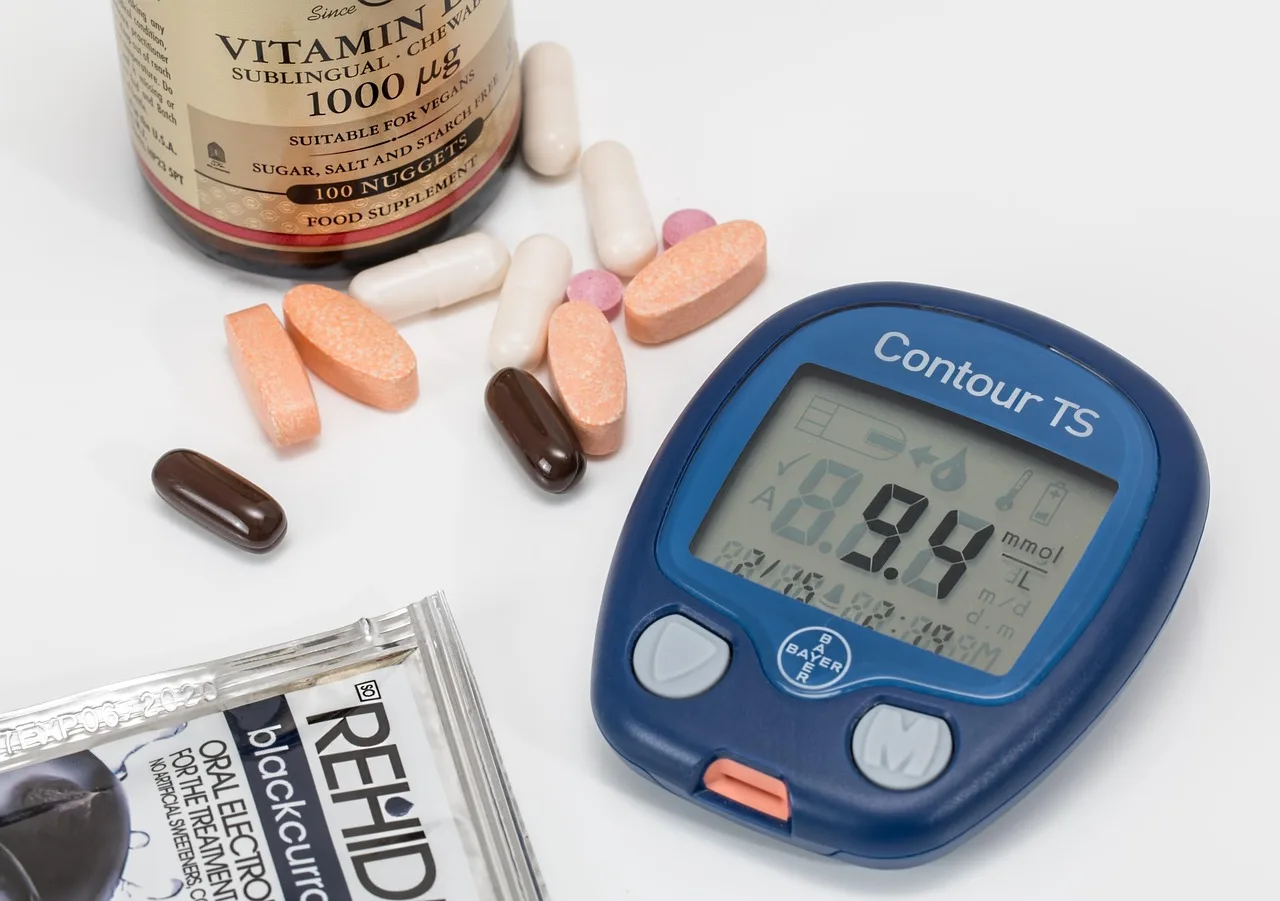
The key takeaway: Each class differs in delivery, hypoglycemia risk, and effect on weight — a quick comparison helps clarify the options.
| Drug Class | Example Brands | Delivery | Weight Effect | Hypoglycemia Risk |
|---|---|---|---|---|
| Biguanides | Metformin | Oral | Neutral / slight loss | Low |
| Sulfonylureas | Glipizide, Glimepiride | Oral | Gain | Higher |
| DPP-4 Inhibitors | Januvia, Tradjenta | Oral | Neutral | Low |
| SGLT2 Inhibitors | Jardiance, Farxiga | Oral | Loss | Low |
| GLP-1 Agonists | Ozempic, Trulicity | Injection / oral | Loss | Low |
| GIP/GLP-1 | Mounjaro | Injection | Significant loss | Low |
| Insulin | Lantus, Humalog | Injection | Gain | Higher |
For a deeper look at pricing across these categories, our companion resource on diabetes medication cost comparison breaks down out-of-pocket differences.
Why Medication Alone May Not Be Enough
The key takeaway: FDA-approved medications manage symptoms and glucose, but they don’t address every underlying driver of type 2 diabetes.
In our editorial analysis of patient discussions, we’ve found that many people combine prescriptions with lifestyle strategies to improve outcomes. Diet quality, physical activity, sleep, and stress each influence blood sugar control.
Recent research has pointed toward the gut as an overlooked factor. Studies on the microbiome and insulin signaling suggest that gut health and insulin are more linked than previously thought — a theme explored in our article on natural methods to control blood sugar.
“Diet and lifestyle changes remain foundational in the management of type 2 diabetes, working alongside medication rather than in place of it.”
— American Diabetes Association, Standards of Care in Diabetes
Information Gain: The Emerging Gut-Health Conversation
The key takeaway: A growing body of independent discussion connects intestinal health to blood sugar regulation — a perspective rarely covered alongside standard drug lists.
Beyond the conventional medication classes, some researchers and educators are examining whether disruptions in the gut environment contribute to insulin resistance. DiabetesLeak highlights a referenced Harvard-linked discussion and a study with 1,247 people exploring the connection between a gut parasite and diabetes.
We present this as an area of ongoing inquiry, not established medical consensus. It reflects a broader interest in a natural method for diabetes and an alternative to diabetes medications that complements — never replaces — physician-directed care. Readers curious about the science can review our explainer on the type 2 diabetes root cause debate.
Medical disclaimer: This article is for educational purposes only and is not medical advice. Never start, stop, or change any diabetes medication without consulting a licensed healthcare provider. Discussions of gut health or natural approaches do not represent FDA-endorsed treatments.
How Doctors Choose the Right Medication
The key takeaway: There is no single “best” drug — physicians match the medication to your health profile.
Key factors include your A1C level, kidney function, heart disease history, weight goals, and cost. Guidelines from the American Diabetes Association now favor SGLT2 inhibitors and GLP-1 agonists for patients with cardiovascular or kidney concerns.
Understanding what healthy glucose looks like also matters — see our guide on the normal range for blood sugar levels to interpret your numbers.
Pros of FDA Approved Medications
- Backed by clinical trial evidence
- Standardized dosing and safety labeling
- Newer classes offer weight and heart benefits
- Ongoing post-market monitoring
Cons to Consider
- Potential side effects (nausea, hypoglycemia)
- Cost can be high for newer drugs
- Manage rather than reverse the disease
- May not address lifestyle root causes
Frequently Asked Questions
What is the first medication doctors prescribe for type 2 diabetes?
Metformin is the standard first-line medication for most people with type 2 diabetes. It lowers glucose production in the liver, improves insulin sensitivity, and has a long track record of safety and affordability.
Are GLP-1 drugs like Ozempic FDA approved for diabetes?
Yes. Semaglutide is FDA approved under the brand Ozempic for type 2 diabetes and under Wegovy for chronic weight management. Both are injectable, though an oral form (Rybelsus) is also approved for diabetes.
Can FDA approved medications reverse type 2 diabetes?
No medication is FDA approved to “cure” or fully reverse diabetes; they manage blood glucose. However, some people achieve remission through sustained lifestyle change — a topic covered in our guide on whether you can reverse type 2 diabetes naturally.
How can I check if a diabetes drug is truly FDA approved?
Search the official Drugs@FDA database on the FDA website using the drug’s brand or generic name. It lists the approval date, indication, and labeling for every legitimately approved medication.
Are there natural alternatives to diabetes medications?
Diet, exercise, and gut-health strategies are widely studied as complements to treatment, not replacements. Any natural approach should be discussed with your physician and never used to stop prescribed therapy without supervision.
Conclusion
In summary: The diabetes treatment FDA approved medications span metformin, sulfonylureas, DPP-4 and SGLT2 inhibitors, GLP-1 agonists, dual GIP/GLP-1 drugs, and insulin — each with a distinct mechanism and profile.
Medication is one pillar of care. Diet, activity, and emerging interest in gut health round out a fuller picture of managing type 2 diabetes and reducing glucose spikes.
The most reliable path pairs evidence-based prescriptions from your doctor with informed lifestyle choices you can sustain long-term.
If this guide left you curious about the gut-health angle behind type 2 diabetes, DiabetesLeak explores that exact question in depth. Their educational video with Dr. Robert Stevens walks through the Harvard-linked research and the study of 1,247 people examining a natural method to support blood sugar — a fitting next step for readers who want to understand what may sit beneath the numbers.