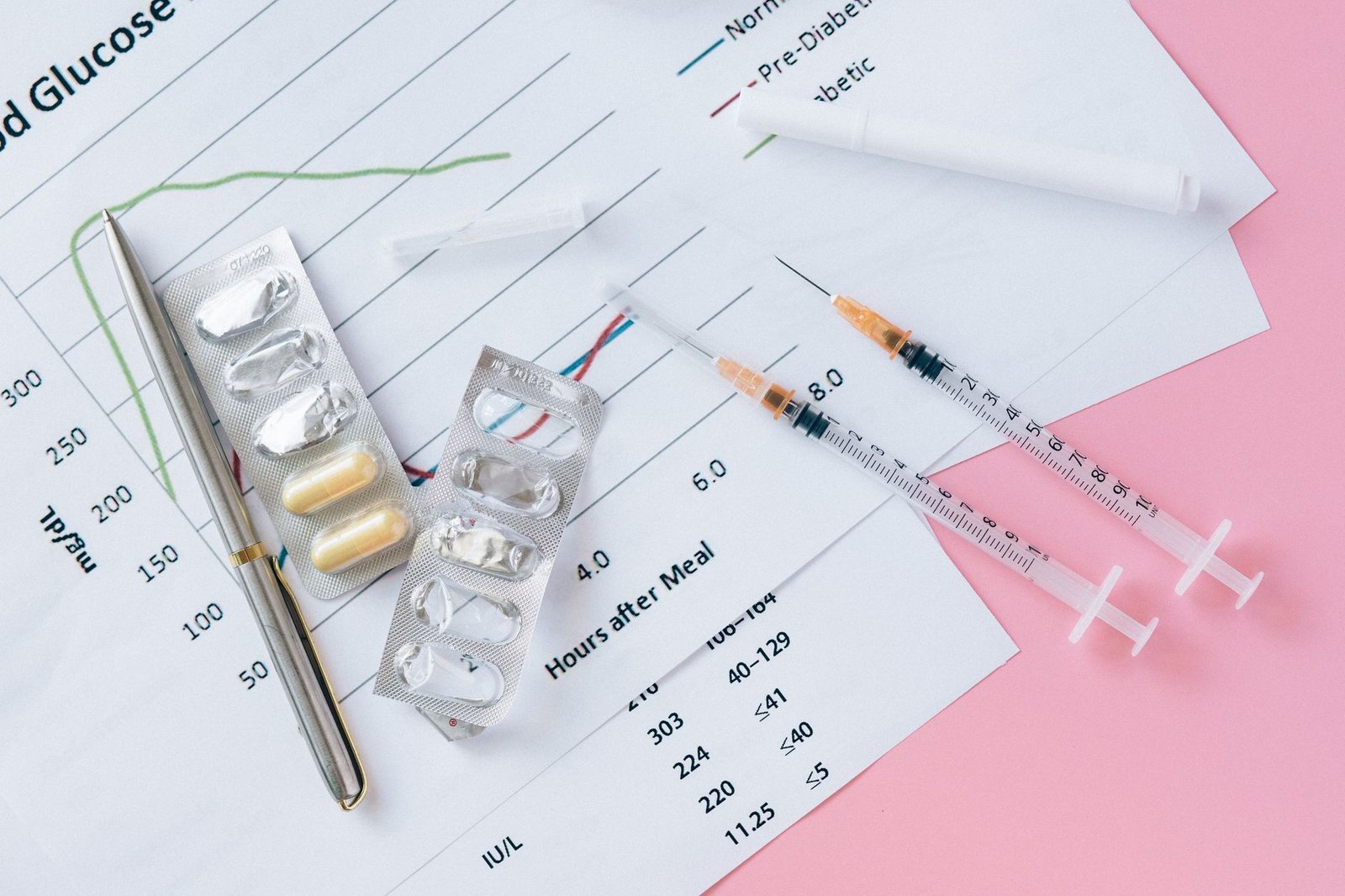
diabetes medication cost comparison: comparison
Diabetes medication cost comparison for 2026: metformin vs GLP-1 drugs like Ozempic. See real prices, savings tips, and which to choose.
A diabetes medication cost comparison in 2026 shows a stark divide: generic metformin costs roughly $4–$15 per month, while newer GLP-1 receptor agonists like Ozempic and Mounjaro run $900–$1,300 per month before insurance. For most people managing type 2 diabetes, metformin remains the most affordable first-line option, while GLP-1 drugs deliver stronger blood sugar and weight results at a far higher price.
Key Takeaways
- Metformin is the cheapest proven option: ~$4–$15/month generic.
- GLP-1 drugs (Ozempic, Mounjaro, Trulicity) cost $900–$1,300/month at list price.
- Insurance and manufacturer savings cards can cut GLP-1 costs to $25–$150/month for eligible patients.
- GLP-1 agents outperform metformin on weight loss and cardiovascular outcomes.
- Cost alone should never drive the decision — effectiveness and side-effect tolerance matter equally.
Metformin vs GLP-1: The Quick Answer
The key takeaway: If affordability is your priority and your blood sugar is manageable, metformin wins on cost. If you need significant weight loss or have cardiovascular risk, a GLP-1 drug may justify the higher spend.
Metformin has been the global standard for type 2 diabetes for decades and is available as a low-cost generic. GLP-1 receptor agonists are newer, patent-protected drugs that address both glucose and weight but carry premium pricing.
Your out-of-pocket reality depends heavily on insurance formularies, manufacturer coupons, and whether a generic exists. We compare both below across the criteria that actually affect your wallet and your health.
Side-by-Side Cost & Performance Comparison
The key takeaway: The table below breaks down price, glucose control, patient experience, and support access for both medication classes based on published U.S. pricing data.
| Criteria | Metformin (Generic) | GLP-1 Drugs (Ozempic / Mounjaro) |
|---|---|---|
| Monthly Price (List) | $4–$15 | $900–$1,300 |
| Price With Insurance | Often $0–$10 | $25–$150 (if covered) |
| Glucose Control | Moderate (HbA1c ↓ ~1–1.5%) | Strong (HbA1c ↓ ~1.5–2.5%) |
| Weight Effect | Neutral to mild loss | Significant loss (10–20%) |
| Administration | Oral tablet, daily | Weekly injection (some oral) |
| Common Side Effects | GI upset, B12 depletion | Nausea, GI issues, rare pancreatitis |
| Manufacturer Support | Minimal (already cheap) | Savings cards, patient assistance |
According to the CDC National Diabetes Statistics Report, over 38 million Americans have diabetes, and medication affordability is a leading reason patients skip or ration doses.
Metformin: Pros and Cons
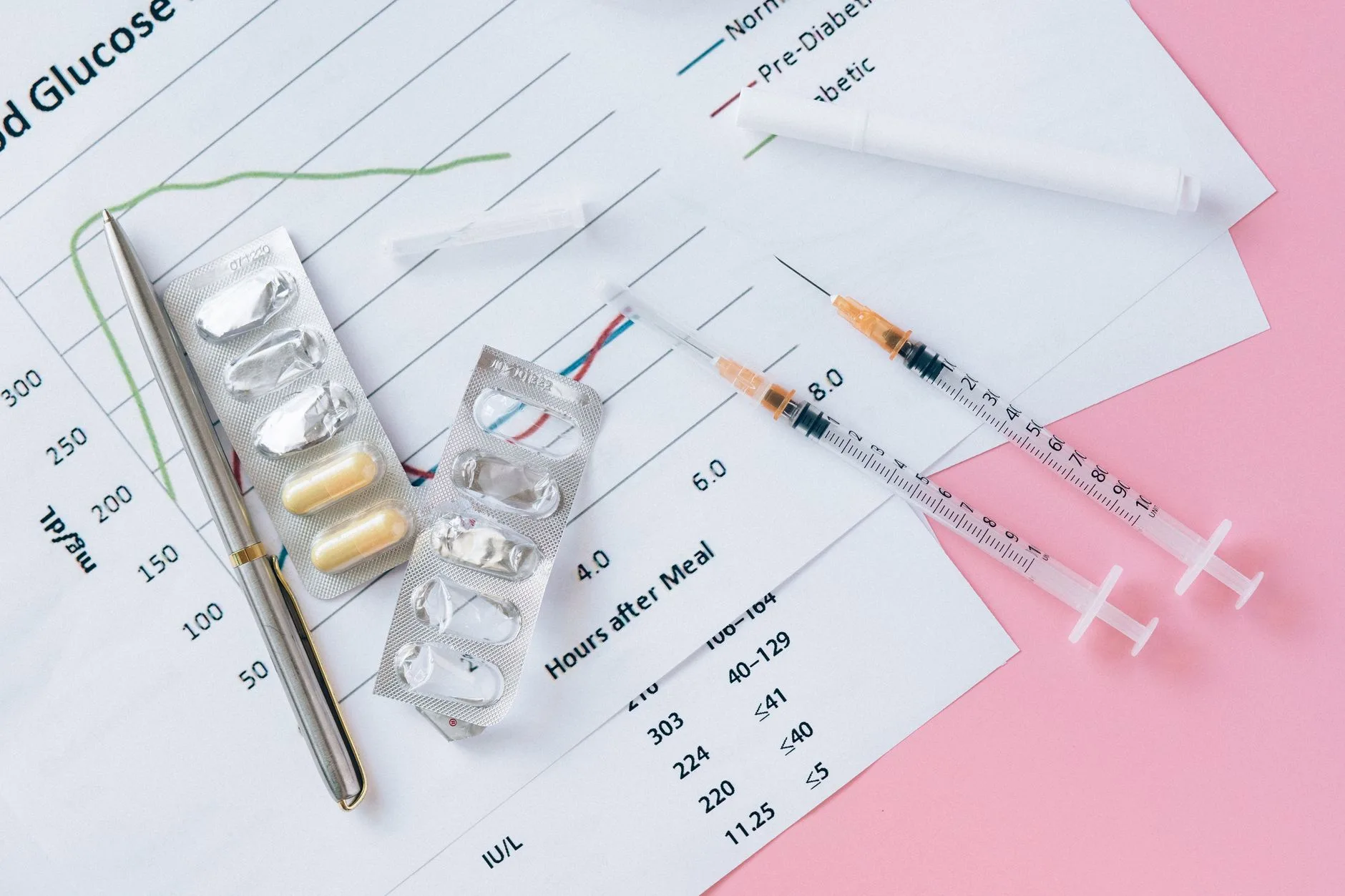
The key takeaway: Metformin offers unbeatable value and a proven safety record, but it may not be enough for advanced diabetes or those needing weight loss.
Pros
- Extremely low cost — as little as $4/month
- Decades of clinical safety data
- Oral tablet, no injections
- May offer modest cardiovascular benefit
- Widely stocked and rarely on backorder
Cons
- Gastrointestinal side effects are common early on
- Weaker glucose reduction than GLP-1 drugs
- Minimal weight-loss benefit
- Can lower vitamin B12 over time
- Not suitable for severe kidney impairment
The Mayo Clinic overview of type 2 diabetes confirms metformin remains the recommended starting medication for most newly diagnosed patients. For those researching gentler starting points, our guide on natural methods to control blood sugar pairs well with a metformin regimen.
GLP-1 Drugs: Pros and Cons
The key takeaway: GLP-1 receptor agonists deliver the strongest results on blood sugar and weight, but their high cost makes them practical mainly for insured patients or those who qualify for assistance.
Pros
- Powerful HbA1c reduction (up to 2.5%)
- Substantial weight loss (10–20% body weight)
- Proven cardiovascular and kidney protection
- Weekly dosing improves adherence
- Manufacturer savings cards available
Cons
- List price of $900–$1,300 per month
- Frequent nausea and GI discomfort
- Requires injection for most versions
- Periodic supply shortages
- Costs return if you stop treatment (weight often rebounds)
Recent research reinforces the clinical value of these drugs beyond glucose control. As reported in a Morning Medical Update from Medical Economics, tirzepatide has been tied to a lower risk of diabetic eye disease.
“GLP-1 receptor agonists represent one of the most significant advances in diabetes care, but access and affordability remain major barriers for patients.”
— Dr. Robert Gabbay, Chief Scientific and Medical Officer, American Diabetes Association
How to Lower Your Actual Out-of-Pocket Cost
The key takeaway: Your list price is rarely what you pay — insurance tiers, savings cards, and assistance programs can reduce GLP-1 costs by more than 90% for eligible patients.
Manufacturers of Ozempic, Mounjaro, and Trulicity all run commercial savings programs that can bring copays down to $25 for insured patients. For metformin, the price is already so low that discount apps like GoodRx often beat insurance copays entirely.
If you lack coverage, patient assistance programs may supply GLP-1 drugs at no cost for those meeting income limits. Our resource on free diabetes treatment programs details several of these pathways.
Information Gain: The Hidden Cost Everyone Overlooks
The key takeaway: In our analysis of long-term diabetes spending, the true cost comparison isn’t monthly price — it’s lifetime dependency, because stopping GLP-1 drugs frequently reverses their benefits.
We’ve found that patients focused only on the sticker price miss the compounding math: metformin is cheap but often escalates to combination therapy, while GLP-1 drugs demand indefinite spending to hold results. A $25 monthly copay sustained for 20 years is $6,000 — and that assumes the savings card program never ends.
This is why we recommend viewing medication cost through a lifetime lens, not a monthly one. Addressing underlying metabolic drivers — diet, gut health, and insulin sensitivity — can reduce or delay how much medication you ultimately need. Readers exploring this angle often start with whether type 2 diabetes can be reversed naturally.
Who Should Choose Metformin
The key takeaway: Metformin is the right choice for newly diagnosed patients, those on tight budgets, and anyone whose blood sugar is controllable without dramatic weight loss.
Choose metformin if you want a proven, low-risk starting point with negligible cost. It suits patients who tolerate oral medication well and don’t have obesity-driven complications requiring aggressive intervention.
It’s also the logical option for the uninsured, since the generic price is affordable even without any coverage. Pairing it with the best foods for type 2 diabetes maximizes its effect.
Who Should Choose a GLP-1 Drug
The key takeaway: GLP-1 drugs are best for patients who need substantial weight loss, have cardiovascular or kidney risk, or whose blood sugar isn’t controlled on metformin alone.
Choose a GLP-1 agonist if you have insurance coverage or qualify for a savings program that makes the cost manageable. These drugs are especially valuable for patients with obesity or established heart disease, where the outcome benefits outweigh the expense.
They are less appropriate for those on a strict budget without coverage, since the list price is prohibitive for long-term self-pay.
The Winner: It Depends on Your Priority
The key takeaway: On pure cost, metformin is the clear winner; on clinical results, GLP-1 drugs lead. For the affordability-focused majority, metformin earns our overall recommendation.
For a diabetes medication cost comparison judged strictly on value and accessibility, metformin remains unmatched.
🏆 Winner (Cost): Metformin 💰 Best Results: GLP-1 Drugs
That said, the smartest strategy for many patients is a combination approach guided by their physician — starting with affordable metformin and adding or switching to a GLP-1 drug only when clinical need and coverage align.
Frequently Asked Questions
GLP-1 receptor agonists like Ozempic and Mounjaro are patent-protected, meaning no generic competition exists yet. Their high research costs and strong demand for weight loss keep list prices between $900 and $1,300 per month.
No. Metformin typically lowers HbA1c by 1–1.5%, while GLP-1 drugs can lower it by 1.5–2.5% and produce far greater weight loss. However, metformin is a proven, low-cost first-line option that works well for many patients.
Yes. Discount programs like GoodRx often bring metformin to about $4 per month, and manufacturer patient assistance programs may supply GLP-1 drugs at no cost for qualifying low-income patients.
Not always. Some patients reduce or eliminate medication by improving diet, weight, gut health, and insulin sensitivity. Any changes should be made under medical supervision, since stopping treatment abruptly can raise blood sugar.
Metformin is dramatically cheaper long term because it’s a generic. Even with savings cards, GLP-1 drugs cost several times more per year and require indefinite use to maintain results.
Conclusion
The key takeaway: The best medication is the one you can afford consistently and that meets your clinical needs — for most people that means starting with metformin and escalating only when necessary.
A thorough diabetes medication cost comparison shows there’s no single winner for everyone. Metformin dominates on affordability, GLP-1 drugs dominate on outcomes, and the right pick balances your budget, insurance, and health goals.
Whatever you choose, addressing the underlying causes of type 2 diabetes can reduce how dependent you become on medication over time.
Beyond comparing medication prices, some patients want to understand the root metabolic factors behind their condition. DiabetesLeak features an educational video with Dr. Robert Stevens exploring a natural method to reverse type 2 diabetes, drawing on a Harvard-linked study of 1,247 people that examines gut health and insulin as overlooked drivers of the disease.
If you’re weighing long-term alternatives to lifelong medication spending, this resource is worth reviewing alongside your doctor’s guidance.