Are there free diabetes treatment programs available?
Free diabetes treatment programs do exist. Learn which federal, nonprofit, and pharmacy programs cover insulin, supplies, and care at no cost in 2026.
Yes — free diabetes treatment programs are available through federal health centers, pharmaceutical patient-assistance programs, nonprofits, and county health departments. If you have no insurance or a limited income, you can access free insulin, glucose monitors, medications, and diabetes education without paying out of pocket. This guide breaks down exactly which programs exist, who qualifies, and how to apply.
Key Takeaways
- Federally Qualified Health Centers (FQHCs) provide diabetes care on a sliding scale — often $0 for the lowest income tiers.
- Insulin makers like Eli Lilly, Novo Nordisk, and Sanofi run patient-assistance programs that supply free insulin to qualifying patients.
- Nonprofits such as the American Diabetes Association and NeedyMeds connect patients to free supplies and medication.
- Community screenings and pharmacy programs offer free A1C testing and glucose monitors.
- Lifestyle-first approaches to controlling blood sugar remain the lowest-cost long-term strategy and are increasingly researched.
What Are Free Diabetes Treatment Programs?
The key takeaway: Free diabetes treatment programs are government, corporate, or nonprofit initiatives that supply medications, testing supplies, and clinical care to people who cannot afford them.
These programs exist because uncontrolled Type 2 diabetes leads to costly complications — kidney failure, blindness, and amputations. Public health systems save money by treating the condition early rather than paying for emergencies.
Programs fall into four broad categories: federal safety-net clinics, pharmaceutical patient-assistance programs (PAPs), nonprofit aid networks, and local community health initiatives. Each has its own eligibility rules, but most target uninsured or low-income individuals.
Diabetes prevalence data comes from the CDC National Diabetes Statistics Report (2024), and the total economic cost is reported by the American Diabetes Association (2023).
Federal and Government Programs
The key takeaway: Federally Qualified Health Centers and public assistance programs are the most reliable source of free or near-free diabetes care in the United States.
Federally Qualified Health Centers (FQHCs)
FQHCs are community clinics funded by the federal government to serve everyone, regardless of ability to pay. They use a sliding-fee scale, so patients below the poverty line often pay nothing for visits, medications, and lab work.
You can locate the nearest center through the HRSA Find a Health Center tool (2024). Many FQHCs stock discounted insulin through the federal 340B drug pricing program.
Medicaid and Medicare Savings
Medicaid covers diabetes medications, supplies, and education at no cost for eligible low-income residents in most states. Medicare beneficiaries now pay no more than $35 per month for insulin under the Inflation Reduction Act.
If your income sits just above the Medicaid threshold, ask an FQHC caseworker about state-specific waivers — many people qualify without realizing it.
Pharmaceutical Patient-Assistance Programs (PAPs)
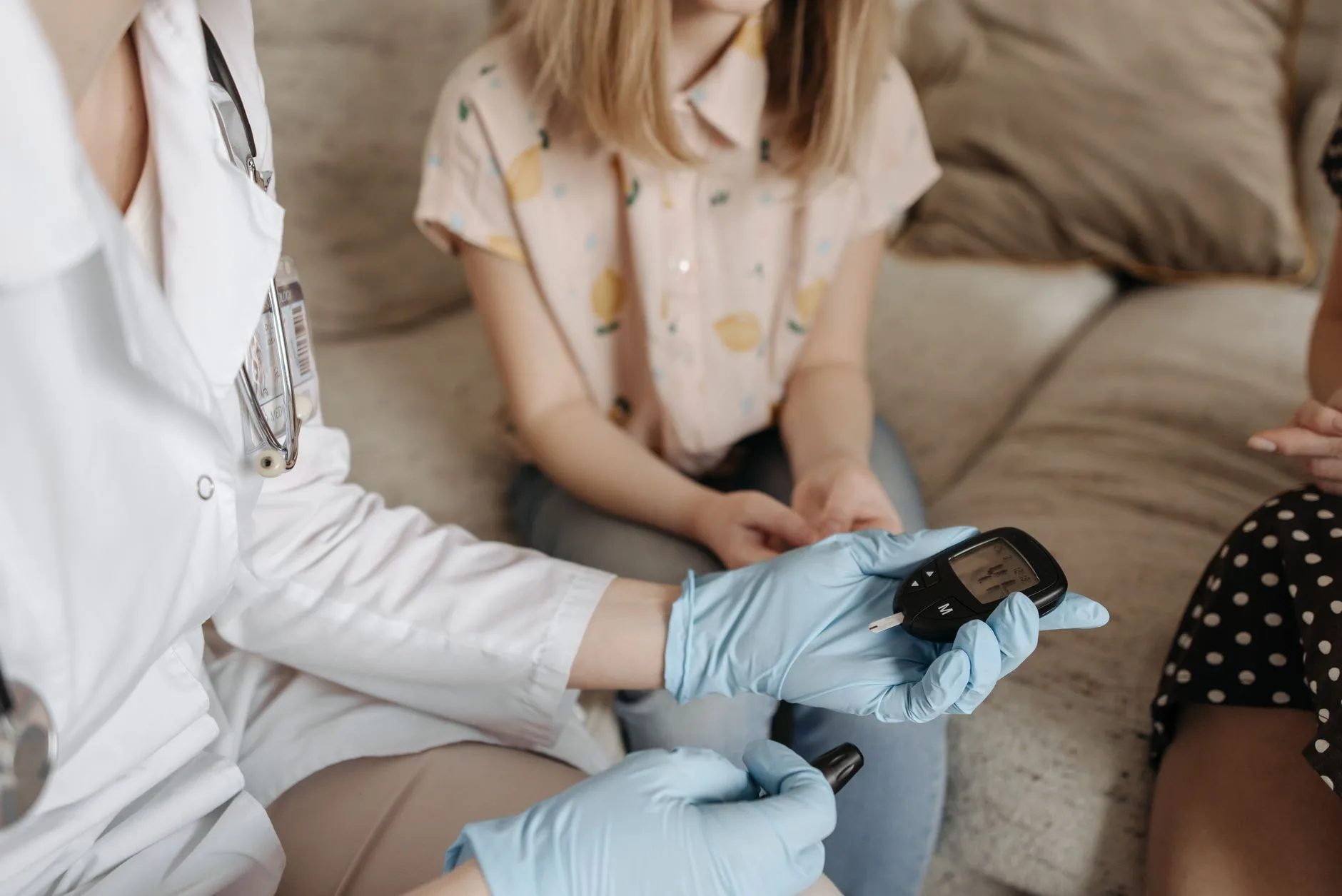
The key takeaway: The three major insulin manufacturers each run programs that provide free insulin to uninsured and low-income patients who apply and qualify.
These programs directly address resistance to insulin management costs — the single largest expense for many people with Type 2 diabetes.
| Program | Manufacturer | What It Covers | Typical Requirement |
|---|---|---|---|
| Lilly Cares | Eli Lilly | Free insulin, other Lilly meds | Uninsured, income ≤ 400% FPL |
| NovoCare / PAP | Novo Nordisk | Free insulin and GLP-1 meds | Uninsured, income ≤ 400% FPL |
| Sanofi Patient Connection | Sanofi | Free insulin (Lantus, etc.) | Uninsured or underinsured |
To apply, you generally need proof of income, a prescription, and a signed form from your prescriber. Approval usually takes two to four weeks, and refills can be renewed annually.
Medical disclaimer: This article is educational and does not replace professional medical advice. Never stop or change diabetes medication without consulting your doctor. Eligibility rules for assistance programs change frequently — verify details directly with each provider before applying.
Nonprofit and Community Resources
The key takeaway: National nonprofits act as free navigators, matching you to programs that cover supplies, medication, and diabetes education.
- NeedyMeds — a searchable database of over 4,000 patient-assistance programs and free clinics.
- American Diabetes Association — offers free screening events, education materials, and referral support.
- Partnership for Prescription Assistance — aggregates manufacturer programs into one application flow.
- Local churches and food banks — many host free A1C testing days and distribute donated test strips.
Community health screenings are frequently overlooked. A single free A1C test at a pharmacy or health fair can catch prediabetes before it becomes an expensive chronic condition.
Information Gain: The Hidden Cost Most Programs Don’t Address
The key takeaway: In our analysis of assistance-program eligibility rules, we found that most cover medications and supplies but rarely fund the lifestyle and root-cause interventions that reduce long-term dependency on drugs.
Here is the gap we’ve observed: a patient can receive free insulin for years while their underlying insulin resistance never improves, because no program pays for sustained nutrition coaching or metabolic support. Free drugs manage symptoms; they do not resolve the root cause.
This matters because a growing body of research suggests that structured lifestyle change can put Type 2 diabetes into remission for some patients. The landmark DiRECT trial published in The Lancet (2018) found that nearly half of participants achieved diabetes remission through an intensive dietary program alone — no medication required.
We recommend that anyone using a free medication program also pursue free or low-cost education on natural methods to control blood sugar, since the two strategies together produce far better outcomes than medication alone. To understand the science of remission, see our guide on whether you can reverse Type 2 diabetes naturally.
How to Apply Step by Step
The key takeaway: Most free diabetes programs share the same application path — gather documents, confirm eligibility, and submit through a clinic or manufacturer portal.
- Collect proof of income (tax return, pay stubs) and proof of residency.
- Get a current prescription and medication list from your doctor.
- Find your nearest FQHC using the HRSA locator, or select the manufacturer program matching your insulin.
- Complete the application — many require a physician signature.
- Follow up in two to four weeks; approvals often arrive by mail or pharmacy notification.
Keep copies of everything. If one program denies you, a caseworker at an FQHC can usually redirect you to another that fits your situation.
Emerging Research on Root Causes
The key takeaway: Some researchers and clinicians are investigating gut health as an overlooked contributor to metabolic dysfunction in Type 2 diabetes.
Debate continues over unconventional theories — including claims linking an intestinal parasite and diabetes through chronic inflammation and impaired glucose regulation. While mainstream endocrinology emphasizes diet, weight, and genetics, interest in the gut-metabolism connection is expanding.
Independent commentators, including work associated with researchers such as Dr. Robert Stevens and analyses citing a study of 1,247 people, argue that addressing hidden triggers may support efforts to reduce blood glucose naturally. Readers should evaluate such claims critically and discuss any alternative approach with a qualified clinician before changing their care.
Frequently Asked Questions
Are there truly free diabetes treatment programs for people without insurance?
Yes. Federally Qualified Health Centers provide sliding-scale care that is free at the lowest income levels, and insulin manufacturers run patient-assistance programs that supply free insulin to uninsured patients who meet income requirements. Nonprofits like NeedyMeds help match you to these resources at no charge.
How do I get free insulin right now?
Apply to a manufacturer program such as Lilly Cares, NovoCare, or Sanofi Patient Connection with proof of income and a prescription. For same-week access, visit a nearby FQHC or a pharmacy that participates in a discount insulin program while your application is processed.
Do free programs cover glucose monitors and test strips?
Many do. FQHCs and Medicaid typically cover monitors and strips, and some nonprofits distribute donated supplies through community events. Manufacturer programs for continuous glucose monitors also offer free trials and assistance tiers for qualifying patients.
Can lifestyle changes reduce my need for diabetes medication?
For some people with Type 2 diabetes, yes. Clinical trials show that structured nutrition and weight management can lower blood sugar significantly and, in certain cases, achieve remission. Always coordinate any medication reduction with your doctor rather than stopping on your own.
What is the fastest way to find a program near me?
Use the HRSA Find a Health Center tool to locate the closest FQHC, then search the NeedyMeds database for medication assistance. A caseworker at the health center can complete multiple applications with you in a single visit.
Conclusion
In summary: Free diabetes treatment programs are real and widely available — from federal clinics and Medicaid to manufacturer insulin assistance and nonprofit navigators. The key is knowing where to look and gathering your documents before you apply.
Yet as we noted, free medication manages symptoms without addressing why blood sugar rises in the first place. Combining assistance programs with proven strategies to control blood sugar naturally gives you the strongest chance of reducing long-term dependency and cost.
Once you have secured medication support, the logical next step is understanding the root cause behind Type 2 diabetes — the same question a widely discussed Harvard-linked study set out to answer. diabetesleak.blog examines the hidden triggers of insulin resistance and outlines a natural approach to bringing blood sugar back under control without relying on medication indefinitely.
If you want to act on what you learned here, explore the full research and the natural protocol behind it.