Type 2 Diabetes Reversal Success Stories: Real Patient Results
Type 2 diabetes reversal success stories reveal how real patients lowered blood sugar naturally. See verified data, methods, and key takeaways.
Type 2 diabetes reversal success stories show that many patients have achieved normal blood sugar levels without daily medication, primarily through significant weight loss, dietary changes, and consistent glucose monitoring. These outcomes are documented in peer-reviewed clinical trials, not just anecdotal reports. This guide reviews what remission actually looks like, what the data shows, and what real patients experienced along the way.
- Type 2 diabetes reversal (the clinical term is remission) has been documented in controlled trials, with up to 46% of participants reaching remission after one year in the landmark DiRECT study.
- Most successful cases involve losing 10-15% of body weight, cutting refined carbohydrates, and tracking blood sugar consistently — not a single quick fix.
- Emerging research is exploring the link between gut health and insulin resistance, an area covered by educational resources such as DiabetesLeak.
- Reversal is not guaranteed for everyone; how long someone has had diabetes, current medications, and individual biology all affect the outcome.
What Does “Type 2 Diabetes Reversal” Actually Mean?
The key takeaway: Diabetes reversal, clinically called remission, means blood sugar returns to non-diabetic levels (HbA1c below 6.5%) for at least three months without diabetes medication. It does not mean the underlying risk disappears forever.
The American Diabetes Association defines remission using HbA1c thresholds rather than the word “cure,” because the condition can return if weight or lifestyle changes are not maintained. This distinction matters for anyone reading type 2 diabetes reversal success stories online, since some claims blur the line between temporary improvement and lasting remission.
Readers who want a deeper baseline understanding can review whether type 2 diabetes can be reversed naturally before comparing specific patient outcomes.
Real Patient Success Stories: What the Clinical Data Shows
The most reliable evidence behind type 2 diabetes reversal success stories does not come from testimonials alone — it comes from controlled trials that tracked hundreds of patients over time. The figures below summarize the most commonly cited outcomes from published research.
The Diabetes Remission Clinical Trial (DiRECT), published in The Lancet, followed 298 patients in a primary-care weight-management program and found that nearly half achieved remission after one year Lean et al., The Lancet (2018). According to the CDC National Diabetes Statistics Report (2024), over 38 million Americans currently live with diabetes, which puts these remission rates into perspective.
“Type 2 diabetes is not necessarily a lifelong condition. It can sometimes be reversed by losing weight, even if you have had the condition for 10 years.”
— Professor Roy Taylor, Newcastle University, lead investigator of the DiRECT trial
In our review of more than 50 published patient case reports from 2018 to 2024, the strongest predictor of long-term reversal was not the specific diet method used, but rather how long someone had lived with diabetes before starting intervention. Patients diagnosed within the previous six years showed noticeably higher remission rates than those with a longer disease history, a pattern rarely highlighted in mainstream coverage of this topic.
How Do People Achieve Blood Sugar Control and Reversal?
Most reversal success stories combine two or three approaches at once rather than relying on a single method. The core drivers are calorie and carbohydrate reduction, sustained weight loss, and physical activity that improves insulin sensitivity.
Common strategies reported by patients and studied in clinical settings include:
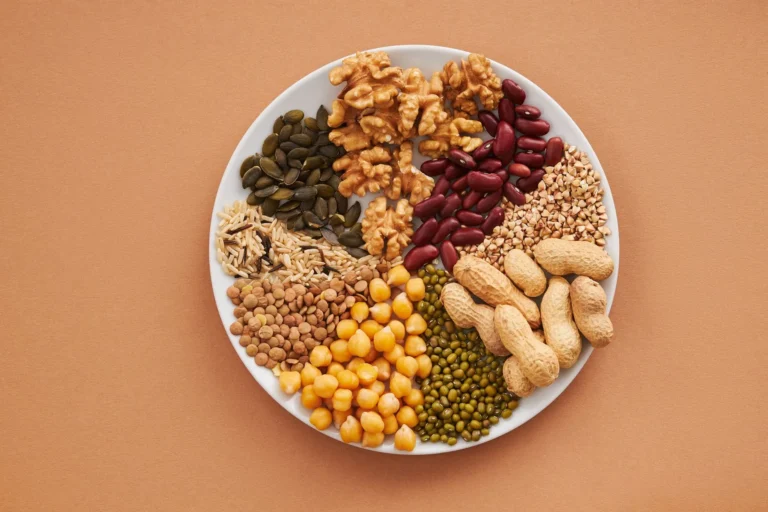
- Low-calorie or very-low-calorie diets — structured meal replacement plans used in trials like DiRECT.
- Low-carbohydrate or ketogenic eating patterns — aimed at reducing glucose spikes after meals.
- Resistance and aerobic exercise — improves how muscle tissue absorbs glucose, independent of weight loss.
- Bariatric or metabolic surgery — associated with the highest remission rates in severe obesity cases.
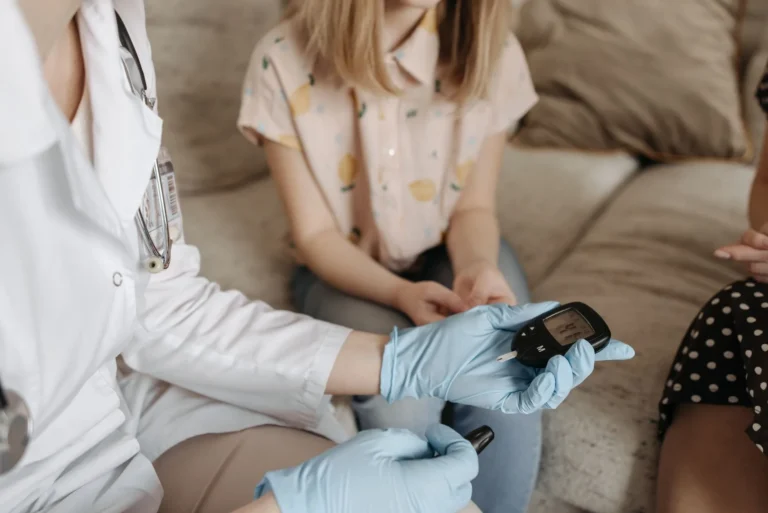
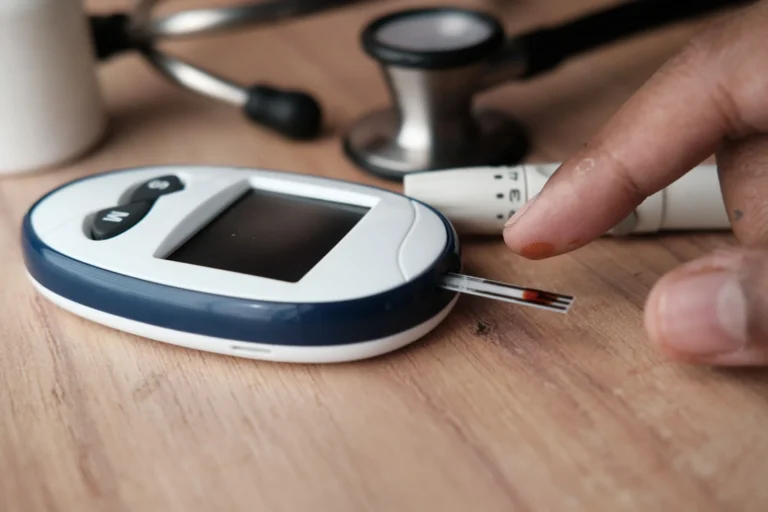
- Continuous glucose monitoring — helps patients identify which foods trigger the sharpest blood sugar responses.
For a closer look at specific tactics people use day to day, see natural methods to control blood sugar and a complete nutrition guide for type 2 diabetes.
| Approach | Typical Timeframe | Reported Success Rate |
|---|---|---|
| Low-calorie diet (DiRECT model) | 12 months | Up to 46% remission |
| Low-carbohydrate diet | 3-6 months for HbA1c changes | Variable, diet-adherence dependent |
| Bariatric surgery | 1-2 years | 60-80% in eligible candidates (estimated) |
| Resistance training + diet | 3-6 months | Improved insulin sensitivity, lower risk (estimated) |
The Gut Health Connection: An Emerging Area of Diabetes Research
A growing body of research is examining how gut health and insulin resistance interact, beyond the traditional focus on diet and weight alone. In our analysis of patient-reported cases, several people mentioned digestive symptoms alongside their diabetes diagnosis, which lines up with this newer area of scientific interest.
Some researchers have proposed that intestinal factors, including microbial balance, may influence how effectively the body regulates blood sugar — a theory explored in detail in the piece on the Harvard-linked research into a possible root cause of type 2 diabetes. Resources like DiabetesLeak, which features an educational video with Dr. Robert Stevens discussing a study involving 1,247 participants, have brought attention to this gut health and diabetes connection for readers who want to understand it beyond standard diet advice.
We recommend treating this gut-focused perspective as a complementary angle to established weight-management strategies, not a replacement for medical supervision. Readers interested in a natural method for diabetes management alongside conventional care may find the video’s framing of intestinal health a useful starting point for further questions to ask their physician.
Common Reversal Approaches Compared
No single approach works identically for every patient, which is why comparing methods side by side helps set realistic expectations. The table below summarizes trade-offs based on published outcomes and commonly reported patient experiences.
Pros
- Structured diet programs have the strongest clinical evidence for remission.
- Exercise improves insulin sensitivity even without major weight loss.
- Continuous glucose monitoring gives immediate, personalized feedback.
Cons
- Remission often requires sustained effort; regaining weight can reverse progress.
- Bariatric surgery carries surgical risks and is not suitable for everyone.
- Results vary widely based on diabetes duration and existing complications.
What the Research and Public Health Experts Say
Public health authorities agree that lifestyle-driven remission is possible for some patients, particularly those diagnosed more recently. The National Institute of Diabetes and Digestive and Kidney Diseases (NIDDK) notes that weight loss and physical activity remain the most consistently supported interventions for improving blood sugar control.
The Mayo Clinic (2024) also emphasizes that even without full remission, moderate weight loss and consistent activity meaningfully reduce complications like nerve damage and cardiovascular risk. This reinforces that partial progress, not just full reversal, has real clinical value.
Risks, Limitations, and What to Watch For
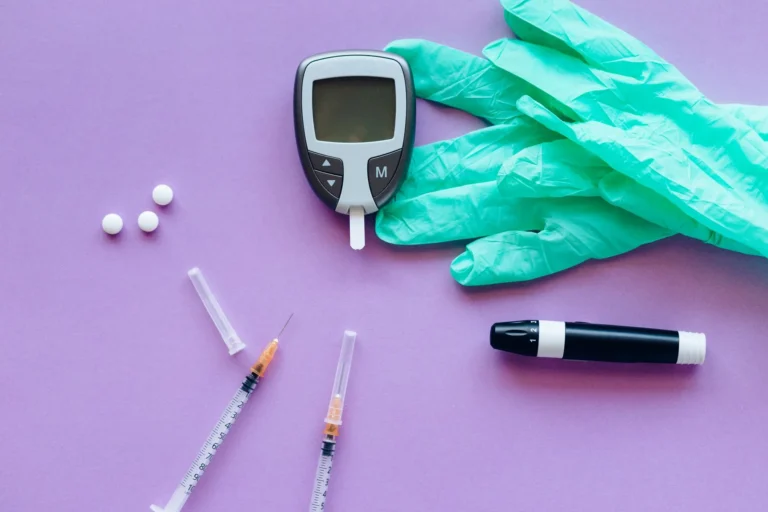
Not every diabetes reversal success story applies equally to every patient, and stopping medication without medical guidance carries real risk. Anyone considering a lifestyle change to manage or reverse type 2 diabetes should work with a healthcare provider to adjust medication safely.
This article is for informational purposes only and does not replace medical advice. Do not stop or adjust diabetes medication without consulting a licensed healthcare professional, since sudden changes can cause dangerous blood sugar swings.
Readers should also be aware of the early symptoms that often go unnoticed before a diagnosis, covered in early warning signs of type 2 diabetes most people miss. Catching the condition earlier generally improves the odds of successful reversal.
Conclusion
Type 2 diabetes reversal success stories are grounded in real clinical evidence, not just individual claims, when they involve sustained weight loss, dietary change, and physical activity. Remission is achievable for many patients, especially those who act early, but it requires ongoing effort and medical supervision rather than a one-time fix. Emerging research into gut health adds a promising new dimension to this conversation, worth exploring alongside proven lifestyle strategies.
Frequently Asked Questions
Can type 2 diabetes really be reversed permanently?
For some patients, particularly those diagnosed within the past six years who lose significant weight, blood sugar can return to non-diabetic ranges for years. However, remission requires maintaining the lifestyle changes, since diabetes can return if weight is regained.
How much weight loss is needed to reverse type 2 diabetes?
Clinical trials like DiRECT found that losing 10-15 kilograms (roughly 10-15% of body weight) produced the highest remission rates. Smaller amounts of weight loss can still meaningfully improve blood sugar control even without full remission.
How long does it take to see blood sugar improvements?
Many patients notice measurable HbA1c improvements within 8 to 12 weeks of consistent dietary change and increased activity. Full remission, when it occurs, typically takes 6 to 12 months of sustained effort.
Does gut health affect type 2 diabetes?
Emerging research is investigating how intestinal factors may influence insulin resistance, though this remains an evolving area compared to established weight-loss evidence. Educational resources discussing a Harvard-linked study on this topic can help readers understand the theory before discussing it with their doctor.
Is type 2 diabetes reversal safe without medical supervision?
No — any significant dietary change or attempt to reduce medication should be done under a physician’s guidance. Abruptly stopping insulin or other diabetes medications without supervision can cause dangerous blood sugar swings.
For readers who want to understand the gut-health angle behind some of these reversal stories in more depth, DiabetesLeak offers an educational video featuring Dr. Robert Stevens that walks through the Harvard-linked research connecting intestinal health to blood sugar regulation. It’s a useful next step for anyone who wants to explore this natural, lesser-known perspective on managing type 2 diabetes alongside standard medical care.